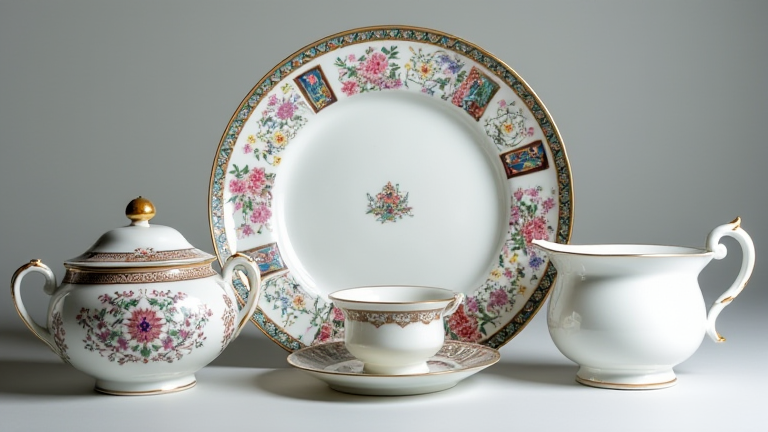
Porcelain History & Culture: A Guide to Fine China
TL;DR: This guide explores the evolution of porcelain from ancient Chinese kilns to modern global collections, highlighting key historical periods and cultural significance. It provides essential insights for collectors seeking to distinguish authentic heirlooms from modern reproductions while understanding the artistry behind fine china.
Porcelain, often referred to as “white gold,” has captivated collectors and historians for centuries due to its durability, translucency, and aesthetic beauty. Originating in China during the Tang Dynasty, this material underwent a transformation that would influence global trade, art, and culture profoundly. Understanding the history behind these pieces allows enthusiasts to appreciate not just the object, but the technological and artistic breakthroughs that created it. From the delicate blue-and-white patterns of the Ming Dynasty to the intricate Meissen wares of Europe, each era offers distinct characteristics that define its value and cultural context.
If you want to dig deeper, check out our guide on Porcelain Culture: 5 Lifestyle Trends Rooted in Ceramic Hist.
Feature Highlights of Historical Periods
When evaluating porcelain history products, such as museum catalogs or specialized collection guides, several key features stand out. First, detailed chronologies of major kilns provide context for specific styles. For instance, guides often highlight the Jingdezhen kilns in China, which became the center of imperial porcelain production. Second, many resources include technical breakdowns of glaze composition and firing temperatures, helping readers understand the scientific aspects of the craft. Finally, high-quality reproductions of famous pieces, such as the Vase of Emperor Kangxi or the Dresden Swan, allow readers to visualize the nuances of craftsmanship that are often lost in text descriptions.
Comparisons: Eastern vs. Western Traditions
A crucial aspect of any comprehensive guide is the comparison between Eastern and Western porcelain traditions. Chinese porcelain is often characterized by its purity and minimalism, focusing on subtle glaze variations and symbolic motifs like dragons or phoenixes. In contrast, European porcelain, particularly from Germany and France, tends to feature more ornate gilding, pastel colors, and narrative scenes drawn from mythology or daily life. Guides that effectively juxtapose these traditions help collectors identify regional styles. For example, the cobalt blue used in Chinese exports differed slightly from the blue used in Delftware, a fact that can be discerned through expert commentary in high-quality reference books. Understanding these differences is vital for accurate attribution and valuation.
Why This Guide Matters for Collectors
For the modern collector, this resource serves as a bridge between academic knowledge and practical application. It demystifies the jargon often used in auction houses and provides a clear framework for identifying quality. By focusing on cultural context, the guide encourages a deeper appreciation for the stories behind the objects. Whether you are a novice looking to start a collection or a seasoned enthusiast refining your expertise, this material offers valuable insights into the enduring legacy of fine china.
Call to Action
Ready to deepen your understanding of porcelain history? Explore our curated selection of reference books and collector’s guides today. Elevate your collection with knowledge that spans centuries and continents.
FAQ
Q: What is the primary difference between stoneware and porcelain?
A: Porcelain is fired at higher temperatures, resulting in a non-porous, translucent material, whereas stoneware is semi-porous and generally opaque.
Q: How can I verify the authenticity of an antique porcelain piece?
A: Examine the base for period-specific marks, check for consistent aging patterns, and consult with a certified appraiser or reputable auction house for verification.
Q: Which dynasty is most famous for blue-and-white porcelain?
A: The Ming Dynasty is particularly renowned for its high-quality blue-and-white wares, which became highly sought after in global trade routes.
Leave a Reply