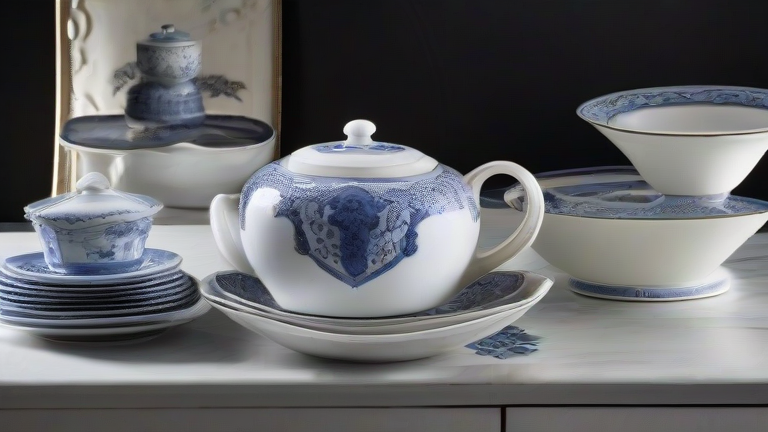
TL;DR: Porcelain is not just a material but a cultural symbol of refinement, blending ancient craftsmanship with modern aesthetic sensibilities. Integrating porcelain into your lifestyle elevates daily rituals, from dining to decor, by connecting you to centuries of artistic heritage and mindful living.
The Allure of the White Gold
Porcelain has long been revered as “white gold” for its delicate beauty, translucence, and durability. Originating in China during the Tang Dynasty, its history is a journey of secret-keeping and global desire. For centuries, the formula for creating this fine ceramic was a closely guarded trade secret, making it a status symbol for royalty and the elite across Asia and Europe. Today, understanding this history allows us to appreciate the weight of every piece we hold, not just in monetary terms, but in cultural significance. It represents a convergence of alchemy and art, where earth, fire, and water transform into something ethereal yet enduring. Engaging with porcelain is an act of mindfulness, a reminder of the patience and precision required to create something beautiful.
If you want to dig deeper, check out our guide on Porcelain History & Culture: A Guide to China’s White Gold.
Elevating the Daily Ritual
Incorporating porcelain into your lifestyle is a subtle yet powerful way to practice personal growth and aesthetic appreciation. Start with your morning coffee or tea. Using a fine porcelain cup changes the sensory experience, enhancing the warmth and clarity of the beverage. The material’s thermal properties allow it to retain heat longer, extending the moment of relaxation. This small change encourages you to slow down, to savor the ritual rather than rush through it. In the dining room, a complete porcelain set transforms a simple meal into an event. The clean lines and neutral tones of high-quality porcelain provide a blank canvas that allows the colors of the food to pop, encouraging a more mindful approach to eating. It is less about luxury and more about intention. When you choose porcelain, you are choosing quality over quantity, longevity over trend. This mindset fosters a sense of ownership and care, reducing waste and promoting sustainability.
Curating Your Space
Beyond the table, porcelain serves as a versatile medium for home decor. A single, well-chosen vase can anchor a room, adding a touch of elegance without overwhelming the space. Unlike glass, which can feel cold, or plastic, which feels disposable, porcelain has a tactile warmth and a visual depth that brings a sense of calm to any environment. Collecting porcelain pieces is a hobby that encourages travel and cultural exploration. Visiting kilns in Jingdezhen, China, or factories in Limoges, France, offers a deeper connection to the craft. These experiences are not just about buying products; they are about learning the stories behind the patterns and the techniques used in production. Whether you are an avid collector or simply someone who appreciates fine details, porcelain offers a timeless way to infuse your home with character. It bridges the gap between the past and the present, allowing you to live in a space that feels both historic and contemporary. By embracing this material, you are not just decorating your home; you are curating a lifestyle that values beauty, history, and the quiet joy of the everyday.
FAQ
Q: Why is porcelain considered more valuable than other ceramics?
A: Porcelain is valued for its density, translucency, and resonance, which require precise firing temperatures and high-quality raw materials, making it more difficult and costly to produce than standard stoneware or earthenware.
Q: How should I care for my porcelain items to ensure they last?
A: Hand wash your porcelain items with mild soap and a soft sponge to avoid micro-scratches. Avoid sudden temperature changes, such as placing a hot dish on a cold surface, to prevent thermal shock and cracking.
Q: Can porcelain be used for everyday dining, or is it too fragile?
A: Modern porcelain is extremely durable and resistant to chipping and scratching, making it suitable for daily use. However, it is still a ceramic material, so it should be handled with reasonable care to avoid impacts.
Leave a Reply