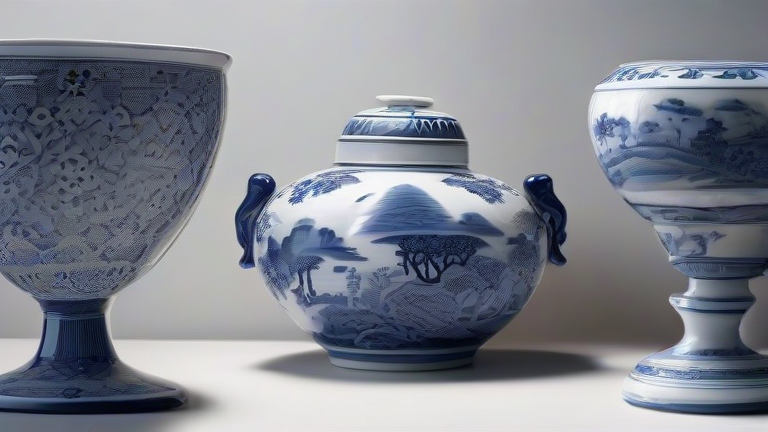
TL;DR: Porcelain is more than fragile tableware—it is a 1,000-year-old cultural bridge connecting imperial craft, daily rituals, and modern mindfulness. By tracing its journey from Chinese kilns to European courts, you can infuse your own lifestyle with intentionality, beauty, and a deeper appreciation for handmade objects.
The Silk Road in Your Cupboard
Every time you lift a porcelain teacup, you are holding a piece of global history. Originating in China during the Tang dynasty (618–907 AD) and perfected under the Song and Ming dynasties, porcelain was so prized that it was called “white gold.” Its translucent strength baffled early travelers—Marco Polo allegedly coined the name “porcellana” after a seashell. For centuries, the secret of kaolin clay and high-fire kilns was guarded like a state treasure. When Arab traders and later Portuguese sailors brought porcelain to Europe, it sparked a frenzy. Kings melted down gold to trade for Chinese vases; alchemists spent decades trying to replicate the formula. This obsession wasn’t about dinnerware—it was about capturing a piece of a distant, sophisticated world.
If you want to dig deeper, check out our guide on Porcelain History & Culture: A Deep Dive into China’s White .
The Ritual of Slow Living
In our era of disposable coffee cups and microwave plates, porcelain invites a counter-cultural pause. Japanese tea ceremony culture—heavily influenced by Chinese porcelain—treats each bowl as a living object. The wabi-sabi aesthetic celebrates cracks and imperfections, repaired with gold lacquer (kintsugi), turning breakage into art. Adopting this mindset at home means choosing a single, hand-thrown porcelain mug for your morning tea, feeling its weight, noticing the glaze’s subtle drip. It’s a form of mindfulness: you are not just drinking a beverage; you are engaging with centuries of craft, fire, and patience. Slow living, in this sense, begins with what you hold.
From Imperial Kilns to Your Table
Porcelain’s cultural journey is also a story of adaptation. In the 18th century, Meissen in Germany cracked the code by accident, then Delft in the Netherlands painted it with blue-and-white folk motifs. Today, you can trace this history through your own collection—a Ming-style blue willow plate next to a Scandinavian minimalist bowl. Each piece carries a narrative of trade routes, colonial curiosity, and artistic rebellion. For a personal growth angle, consider starting a “porcelain journal”: photograph or sketch your favorite piece each week, research its origin, and reflect on what beauty means to you. This practice turns a household item into a teacher of history, aesthetics, and gratitude.
Bringing Porcelain Culture Home
You don’t need a museum budget. Visit thrift stores for chipped antique teacups—repair them with gold powder and epoxy (a weekend DIY kintsugi project). Host a “porcelain tasting” dinner where each course is served on a different historical style, from celadon to bone china. Or simply declutter your cabinets, keeping only pieces that genuinely resonate. The lifestyle shift is about quality over quantity, and story over stuff. Porcelain teaches us that fragility is not weakness—it is the very reason we handle life with care.
FAQ
Q: What makes porcelain different from pottery or ceramic?
A: Porcelain is fired at much higher temperatures (1,200–1,400°C) using kaolin clay, making it non-porous, translucent, and harder than stoneware. It also rings with a clear, metallic “ping” when tapped.
Q: How can I start collecting porcelain without overspending?
A: Begin with modern reproductions from brands like Iittala or Hasami, or hunt for “seconds” (factory pieces with tiny glaze flaws) at outlet stores. Then, build slowly—one antique teacup or a single vintage platter—focusing on pieces you actually use.
Q: Is it safe to use antique porcelain for food?
A: Generally yes, if there are no cracks or crazing (fine lines). However
Leave a Reply