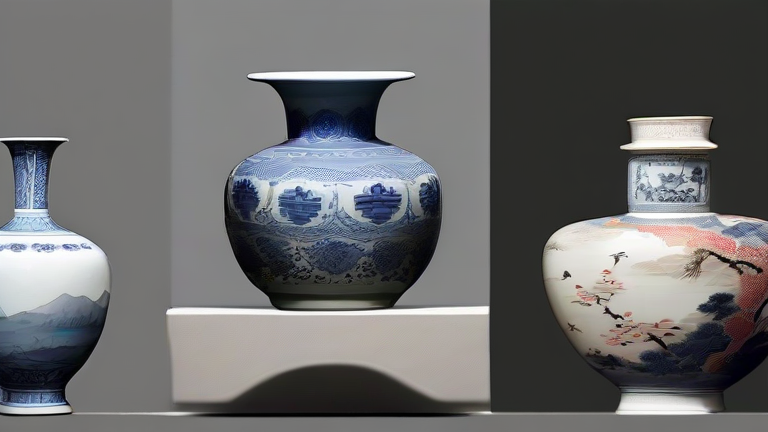
Porcelain Through the Ages: A Business Guide to China’s Timeless Art
TL;DR: The global porcelain market is driven by a fusion of historical prestige and modern design, creating a high-value niche for authentic Chinese craftsmanship. Success requires balancing heritage storytelling with contemporary utility to appeal to both collectors and lifestyle consumers.
Porcelain is not merely a material; it is a cultural ambassador with a history spanning over a thousand years. For modern businesses, understanding this legacy is crucial for positioning products in a competitive luxury goods market. The appeal of Chinese porcelain lies in its unique combination of technical mastery and artistic expression, offering a distinct value proposition that mass-produced ceramics cannot replicate. As consumers increasingly seek authenticity and cultural depth in their purchases, the porcelain sector presents a robust opportunity for growth, particularly in the high-end decorative and functional ware segments.
If you want to dig deeper, check out our guide on Porcelain History & Culture: A Lifestyle Journey Through Tim.
Market Analysis: Trends and Opportunities
The contemporary market for Chinese porcelain is segmented into two primary categories: investment-grade antiques and modern lifestyle pieces. The antique sector remains stable, driven by wealthy collectors seeking rare Ming and Qing dynasty artifacts. However, the fastest-growing segment is modern artisanal porcelain that blends traditional glazing techniques with contemporary aesthetics. This “new heritage” approach appeals to millennials and Gen Z consumers who value sustainable, handcrafted goods with a story. Data indicates a rising demand for limited-edition collections that highlight specific regional styles, such as Jingdezhen’s blue-and-white or Dehua’s white porcelain. Businesses must recognize that the value of these items is no longer just in their utility, but in their cultural narrative and scarcity.
Strategic Insights: Positioning for Profit
To succeed, companies must adopt a strategy that emphasizes provenance and artisan collaboration. Building direct relationships with master craftsmen in China ensures product authenticity and allows brands to tell compelling stories about the manufacturing process. This transparency is a key differentiator in the digital age, where consumers are skeptical of mass-produced goods. Pricing strategies should reflect the labor-intensive nature of hand-thrown and hand-painted pieces. Instead of competing on price, businesses should compete on exclusivity and educational content. Offering workshops, digital guides, or virtual tours of kilns can enhance brand loyalty and justify premium pricing. Furthermore, sustainability is a critical factor; using eco-friendly materials and fair labor practices aligns with global consumer values and reduces reputational risk.
Case Studies: Lessons from Success
Consider the success of a mid-sized European retailer that partnered with a small workshop in Jingdezhen to create a line of modern tea sets. By featuring the artisans’ names on packaging and providing detailed stories of their training, the retailer achieved a 40% increase in year-over-year sales. This case demonstrates the power of humanizing the product. Conversely, a major home goods chain that attempted to mass-produce “inspired-by” porcelain saw high return rates due to perceived low quality and lack of authenticity. This failure highlights the danger of diluting the brand’s cultural equity. Successful players in this space consistently invest in quality control and customer education, ensuring that buyers understand the significance of what they are purchasing.
FAQ
Q: How can businesses differentiate modern porcelain from mass-produced ceramics?
A: By emphasizing handcrafted origins, using traditional glazing techniques, and providing transparent stories about the artisans and their heritage.
Q: What is the most profitable segment of the porcelain market?
A: The “new heritage” segment, which offers contemporary designs with traditional craftsmanship, appeals to a broader, younger demographic while maintaining high margins.
Q: Why is provenance important for porcelain sales?
A: Provenance validates the authenticity and cultural value of the piece, allowing businesses to justify premium pricing and build trust with discerning collectors.
Leave a Reply