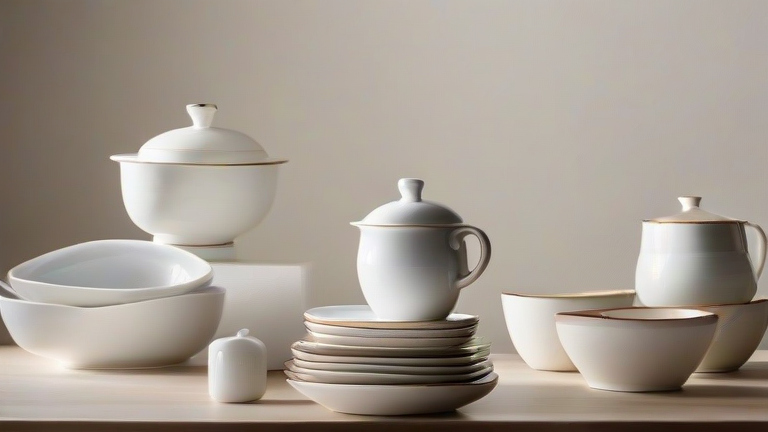
TL;DR: Choosing authentic, lead-free porcelain tableware eliminates potential heavy metal exposure and supports a safer, cleaner dining experience. While the health benefits are primarily preventative, embracing high-quality ceramic culture fosters mindfulness and reduces reliance on plastic alternatives.
The Historical Context of Safe Dining
Porcelain, often called “white gold,” has a rich history that dates back to ancient China. For centuries, it was a luxury reserved for the elite due to its fragility and the secretive nature of its manufacturing process. However, its cultural significance extends far beyond aesthetics. In the context of modern health and wellness, understanding the evolution of ceramic tableware is crucial. Early forms of pottery often contained lead glazes to achieve a glossy finish, which could leach into acidic foods over time. Today, modern manufacturing standards have drastically changed this landscape, making porcelain one of the safest materials for food storage and consumption. By understanding this historical shift, consumers can make informed decisions about the items in their kitchens.
If you want to dig deeper, check out our guide on Porcelain History & Culture: The Ultimate Beginner’s Tutoria.
Science-Backed Benefits of Ceramic Tableware
From a scientific perspective, the primary health benefit of using porcelain is the elimination of harmful chemical leaching. Unlike plastic containers, which may contain bisphenol A (BPA) or phthalates, high-quality porcelain is inert. This means it does not react with food or beverages, ensuring that your meal remains chemically pure. Furthermore, porcelain is non-porous, which prevents the absorption of bacteria and odors. This characteristic makes it easier to sanitize and maintain hygiene, a critical factor in preventing foodborne illnesses. Studies suggest that using non-toxic tableware can reduce the cumulative load of environmental endocrine disruptors, potentially lowering long-term health risks associated with chronic inflammation and hormonal imbalance. The durability of porcelain also means it can withstand high temperatures, making it suitable for microwave use without the risk of microplastic release found in plastic alternatives.
Lifestyle Tips for Wellness Living
Incorporating porcelain into your daily routine can enhance your dining experience and promote mindfulness. The weight and texture of porcelain plates encourage slower eating, which aids in better digestion and satiety recognition. This mindful approach to eating aligns with holistic wellness principles, helping you listen to your body’s hunger cues. Additionally, the aesthetic appeal of culturally significant porcelain can elevate the ritual of dining, reducing stress and fostering a sense of calm. When selecting tableware, look for certifications that guarantee lead and cadmium-free glazes. Regularly inspect your items for chips or cracks, as these can harbor bacteria in the porous clay beneath the glaze. By investing in quality ceramic pieces, you are not just buying dinnerware; you are investing in a healthier, more intentional lifestyle that honors both tradition and modern science.
FAQ
Q: Is all porcelain safe for health?
A: Most modern porcelain is safe, but always check for lead-free and cadmium-free certifications to ensure no toxic leaching occurs with acidic foods.
Q: How does porcelain compare to glass for health?
A: Both are inert and safe, but porcelain is more durable and less likely to shatter, making it a practical choice for daily use without compromising safety.
Q: Can old porcelain be harmful?
A: Vintage porcelain may contain lead in the glaze, especially if used for acidic foods, so it is best reserved for decorative purposes only to avoid health risks.
Leave a Reply