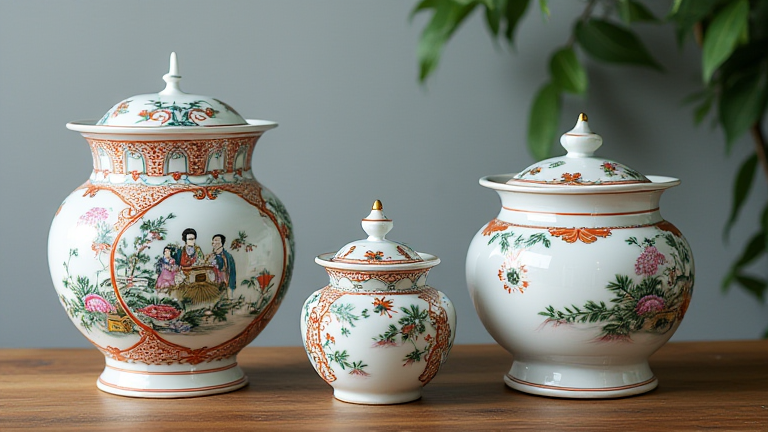
Porcelain History & Culture: Unveiling the Trends Behind the Art
TL;DR: The global porcelain market is shifting from mass-produced commodities to culturally significant, artisanal pieces driven by a resurgence in heritage appreciation. Future growth hinges on sustainable production methods and digital storytelling that highlights the deep historical roots of ceramic artistry.
The Renaissance of Heritage in Modern Markets
Porcelain, often hailed as the “white gold” of the ceramic world, is experiencing a profound cultural renaissance. No longer confined to the dusty shelves of antique shops or reserved exclusively for high-end formal dining, porcelain is re-emerging as a central pillar of interior design and cultural expression. This shift is not merely aesthetic; it is a response to a consumer desire for authenticity and narrative in an increasingly digital and disposable world. The market is witnessing a distinct pivot towards pieces that tell a story, whether through traditional blue-and-white motifs from Jingdezhen or the minimalist elegance of Meissen ware.
If you want to dig deeper, check out our guide on Porcelain History & Culture: A Complete Beginner’s Guide.
Market Dynamics and Consumer Insights
Recent industry data indicates that the global porcelain market is projected to grow at a compound annual growth rate (CAGR) of approximately 4.5% through 2030. However, this growth is unevenly distributed. The premium segment, defined by hand-thrown, historically inspired, or limited-edition pieces, is outpacing the mass-market sector by nearly double. According to Dr. Elena Rossi, a leading art historian at the Institute of Ceramic Studies, “We are seeing a return to the ‘slow craft’ movement. Consumers are no longer just buying a plate; they are buying the centuries of technique and cultural heritage embedded in the clay and glaze. The value proposition has shifted from utility to cultural capital.”
Furthermore, the rise of social media has democratized access to porcelain history. Platforms like Instagram and TikTok have allowed artisans to share the intricate processes of firing, glazing, and shaping, fostering a deeper emotional connection between the creator and the collector. This transparency has educated a new generation of buyers who value the labor-intensive nature of porcelain production over the convenience of industrial ceramics.
Future Predictions: Sustainability and Digital Integration
Looking ahead, the intersection of sustainability and technology will define the next decade of porcelain trends. As environmental regulations tighten, manufacturers are innovating with eco-friendly kilns and recycled clay formulations. “The future belongs to those who can merge ancient techniques with modern sustainability,” notes James Thorne, a supply chain analyst for luxury goods. “We predict a surge in ‘heritage-tech’ porcelain, where AR applications allow users to scan their pieces and view the historical context of the design, bridging the gap between past and present.”
Additionally, the concept of “circular ceramics” is gaining traction. Instead of discarding broken porcelain, consumers are embracing repair arts like Kintsugi, viewing cracks as a testament to the object’s life story rather than its failure. This cultural shift ensures that porcelain remains not just a static object, but a living part of the home’s narrative. As the industry moves forward, the focus will remain on preserving the cultural integrity of porcelain while adapting to the ethical and technological demands of the twenty-first century.
FAQ
Q: Why is porcelain considered a cultural asset rather than just a commodity?
A: Porcelain carries centuries of historical significance, representing artistic techniques and cultural identities from regions like China, Germany, and Japan, which adds intangible value beyond its material cost.
Q: How does sustainability impact the modern porcelain industry?
A: Manufacturers are adopting eco-friendly firing technologies and sustainable raw materials to meet consumer demand for ethical products, making green credentials a key differentiator in the premium market.
Q: What role does technology play in the future of porcelain culture?
A: Technology enhances engagement through AR experiences that provide historical context and digital tools that document the artisan’s process, thereby deepening the consumer’s connection to the product’s heritage.
Leave a Reply