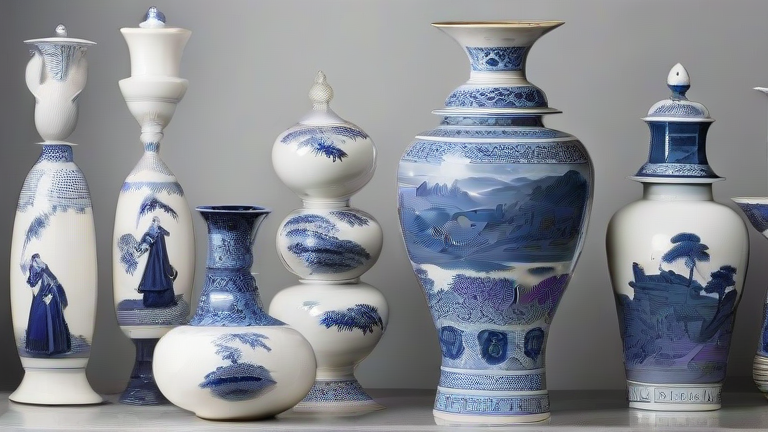
Porcelain Through the Ages: A Cultural History & Craft Guide
TL;DR: Porcelain is a high-firing ceramic material that evolved from exclusive Chinese imperial wares to a global symbol of artistic and industrial innovation. This guide outlines the historical milestones of its development and provides practical steps for appreciating and creating authentic porcelain pieces today.
Understanding the Material and History
Porcelain, often called “white gold,” originated in China during the Tang Dynasty, though it reached its zenith in the Yuan and Ming Dynasties. Unlike stoneware, porcelain is translucent and rings when struck, due to its unique composition of kaolin clay, quartz, and feldspar fired at extremely high temperatures. Understanding this history is crucial because the material carries centuries of cultural weight, from the intricate blue-and-white designs of the Ming era to the delicate Sèvres porcelain of France.
If you want to dig deeper, check out our guide on Porcelain & Health: Historical Insights into Ceramic Wellnes.
Step-by-Step: Appreciating and Creating Porcelain
To engage with porcelain culture, one must first learn to identify authentic pieces and then understand the crafting process. Here is how to approach both aspects effectively.
Step 1: Conduct a Visual Inspection. Begin by holding the piece up to a light source. True porcelain should allow light to pass through, especially at thinner edges like the foot ring or handle. Look for a smooth, glassy surface. If the piece feels rough or opaque, it is likely earthenware or stoneware, not true porcelain. Check the base for marks; Chinese export porcelain often features specific dynastic marks, while European pieces may have factory logos. This inspection connects you to the historical context of the object’s origin.
Step 2: Study the Glaze and Decoration. Examine the glaze under magnification. Ancient Chinese glazes often have a subtle waviness or “crackle” that modern industrial glazes lack. Look for hand-painted details. In Ming Dynasty pieces, the cobalt blue paint often bleeds slightly at the edges, a characteristic known as “heaped and piled.” Understanding these nuances helps you distinguish between mass-produced items and high-value cultural artifacts. This step deepens your appreciation for the artisan’s skill and the historical techniques used.
Step 3: Attempt Basic Porcelain Craftsmanship. If you wish to create porcelain, source a high-quality porcelain slip or clay body. Prepare your workspace with a plaster of Paris slab to absorb moisture. Wedge the clay to remove air bubbles, a critical step to prevent explosions during firing. Use hand-building techniques like coil construction or slab building to form simple vessels. Remember, porcelain is unforgiving; it shrinks significantly during firing and requires precise control. Keep your forms simple for your first attempts to avoid collapse.
Step 4: Glaze and Fire Correctly. Apply a transparent glaze suitable for high-temperature firing. Ensure an even coat to avoid crawling or pinholes. Fire your piece to cone 10, which is approximately 2,300 degrees Fahrenheit. This high heat vitrifies the clay, making it impermeable and durable. Always use a kiln wash to protect the elements. The firing process is where the transformation occurs, turning soft clay into the hard, white ceramic known worldwide.
Essential Tips for Enthusiasts
When collecting, prioritize provenance. A piece with a documented history is more valuable than one without, regardless of its age. Handle all porcelain with clean, dry hands to avoid leaving oil stains that can discolor the glaze over time. For creators, invest in proper safety gear, including a respirator, because porcelain dust is extremely fine and can cause long-term respiratory issues. Finally, join local ceramic guilds or online forums to share knowledge and techniques, fostering a community dedicated to preserving this ancient art form.
FAQ
Q: What is the main difference between porcelain and stoneware?
A: Porcelain is translucent and fired at higher temperatures than stoneware, which is opaque and more porous.
<p
Leave a Reply