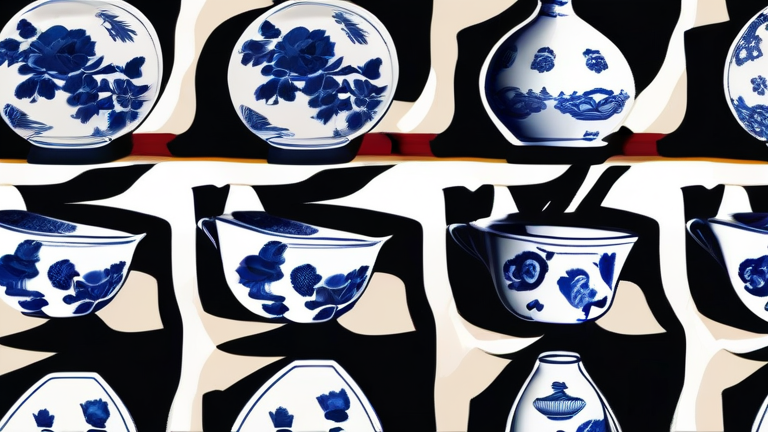
TL;DR: Porcelain is a high-fired ceramic born in China around 600 CE, prized for its translucency, strength, and cultural symbolism. This guide covers its evolution from imperial kilns to global trade, key decorative styles, and how to identify authentic pieces for collecting or daily use.
Why Porcelain Matters: More Than a Teacup
Porcelain isn’t just tableware—it’s a chronicle of human ambition. Unlike stoneware or earthenware, porcelain fires at 1,200–1,400°C, fusing kaolin and petuntse into a glassy, non-porous body that rings like a bell. Its invention in Tang Dynasty China (618–907 CE) was a state secret for centuries. By the Ming era (1368–1644), blue-and-white wares from Jingdezhen had become the world’s first global luxury commodity, traded along the Silk Road and later by Dutch and Portuguese ships. This guide unpacks that journey, plus the technical markers collectors use today.
If you want to dig deeper, check out our guide on Porcelain History: A Deep Dive into 2,000 Years of Art & Cul.
Feature Highlights: What Sets Porcelain Apart
1. Translucency & Resonance: Hold a thin teacup to light—if you see a warm glow, that’s true porcelain. Tap it; a clear, sustained ring indicates high vitrification. These traits are absent in earthenware and most stoneware.
2. Cultural Imprints: From Song dynasty celadon’s jade-like glaze to Qing dynasty famille rose enamels, each period carries political and artistic DNA. Japanese Imari and Arita wares (17th century) added asymmetrical, nature-heavy motifs, while European Meissen (1710) replicated Chinese forms but added baroque flair. Owning a piece is owning a fragment of cross-cultural exchange.
3. Durability & Hygiene: Porcelain resists staining, acidic foods, and thermal shock better than earthenware. It’s dishwasher-safe, but hand-washing antique pieces is non-negotiable.
Comparisons: Porcelain vs. Bone China vs. Fine Stoneware
Bone china (invented in Britain, 1800) includes 25–50% bone ash, making it whiter and more chip-resistant but less translucent than hard-paste porcelain. Fine stoneware, like German Westerwald, is stronger for outdoor use but opaque and heavier. For display and tea ceremony, hard-paste porcelain wins; for everyday dinnerware, bone china edges out. Price-wise, antique Chinese export porcelain ranges from $200 for 19th-century plates to six figures for rare Ming vases, while modern studio porcelain starts around $50.
Call to Action: Start Your Collection Smart
Don’t buy blind. Invest in a jeweler’s loupe to inspect foot rims (un glazed = older), check for “crazing” (fine cracks = age or poor firing), and verify provenance with auction house certificates. Begin with 18th-century European hard-paste pieces—they’re undervalued versus Chinese imperial ware. Or, for daily use, choose a modern porcelain set from a reputable kiln like Herend or Bernardaud. Either way, read the full history in the chapters of this guide—then handle a plate. You’ll feel the difference.
FAQ
Q: How can I tell real porcelain from fakes at a flea market?
A: Check the base—real porcelain has a dry, slightly rough foot rim (no glaze). Tap it: a clear bell-like tone confirms high-fired clay. Also, test translucency with a bright LED flashlight; true porcelain glows amber, while fakes appear opaque.
Q: Is porcelain safe for microwave and oven use?
A: Modern high-fired porcelain is microwave-safe if it has no metallic enamel or gold trim. For oven use, only pieces labeled “oven-safe” (typically bone china and some hard-paste) can tolerate up to 350°F; antique pieces should never be
Leave a Reply