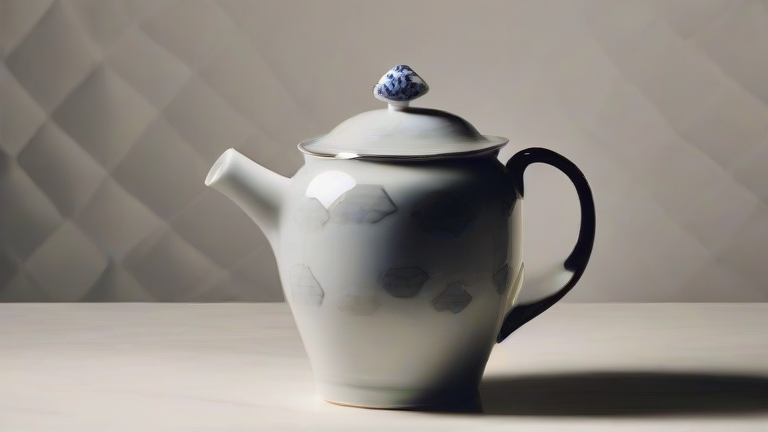
**The Porcelain Trail: A Beginner’s Guide to History & Culture** (62 chars)
TL;DR: Porcelain is a refined ceramic material originating in China that revolutionized global trade and aesthetics. This guide helps you explore its historical significance and cultural impact through museums and collections.
Embarking on a journey through the world of porcelain offers a unique window into global history. Unlike standard pottery, porcelain is made from kaolin clay and fired at extremely high temperatures, resulting in a translucent, white, and durable material. To begin your exploration, focus on the geographic origins. Start by visiting major museums in China, such as the Jingdezhen Ceramic Museum, where the craft was perfected during the Song Dynasty. Here, you can trace the evolution from early white wares to the iconic blue-and-white designs that later captivated Europe.
If you want to dig deeper, check out our guide on Porcelain History & Culture: A Guide to Business.
Step-by-Step Exploration
First, educate yourself on the technical differences between porcelain, stoneware, and earthenware. Understanding the firing temperatures and material composition will help you appreciate the craftsmanship. Second, study the trade routes. Learn how the “China Trade” spread porcelain to Southeast Asia, Europe, and the Americas. This exchange was not just commercial; it was a profound cultural transfer that influenced local artistic styles. Third, visit specialized galleries in Europe, particularly in Germany (Meissen) and France (Sèvres). These regions developed their own porcelain traditions in response to Chinese imports, creating distinct European aesthetics.
Practical Tips for Collectors
When examining pieces, look for the “ring test.” A true porcelain piece will produce a high, clear, ringing sound when lightly tapped. Additionally, check for translucency by holding the item up to a light source. If you can see the shadow of your hand through the thin parts of the piece, it is likely authentic porcelain. Always handle items with clean, dry hands or gloves to avoid transferring oils that can damage the glaze over time. Research the maker’s mark thoroughly, as different eras and kilns used specific symbols that indicate origin and date.
Finally, engage with the cultural narratives behind the designs. Many patterns, such as dragons, peonies, or cobalt blue motifs, carry specific symbolic meanings in both Eastern and Western contexts. By understanding these symbols, you deepen your appreciation of the object. Whether you are a casual observer or a serious collector, the porcelain trail connects you to centuries of artistry, trade, and cultural exchange. Keep a journal of your visits and discoveries to track your learning journey through this fascinating material history.
FAQ
Q: What makes porcelain different from regular pottery?
A: Porcelain is made from kaolin clay and fired at higher temperatures, making it harder, denser, and often translucent, unlike standard earthenware.
Q: Where is the best place to start learning about porcelain?
A: Start with major museums in Jingdezhen, China, or European capitals like London and Paris, which house significant collections of historical wares.
Q: How can I distinguish authentic porcelain from fakes?
A: Check for translucency under light, listen for a high-pitched ring when tapped, and verify maker’s marks against reliable historical records.
Leave a Reply