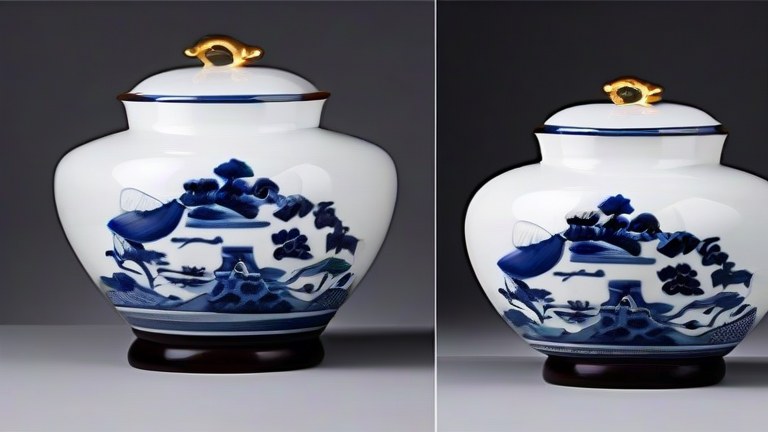
Porcelain History & Culture: The Complete Beginner’s Guide
TL;DR: Porcelain originated in Tang Dynasty China around the 7th century and became a global luxury good through centuries of trade and imitation. To begin your journey, start by identifying key historical styles and understanding the cultural symbolism behind famous patterns like blue-and-white or famille rose.
Understanding the Origins
Begin your exploration by studying the roots of porcelain in China. The Tang Dynasty produced “eggshell” ware, but it was during the Song Dynasty that true kaolin-based porcelain perfected its white, translucent quality. Learn to distinguish between earthenware, stoneware, and porcelain. Porcelain is fired at extremely high temperatures, resulting in a non-porous, resonant, and durable material. Read biographies of key figures like Shen Jinyuan, who kept the secret of kaolin clay production for centuries. Understanding this technical superiority explains why porcelain was so coveted globally.
If you want to dig deeper, check out our guide on Porcelain History: A Cultural Journey Through Time.
Tracing the Global Spread
Next, map the journey of porcelain to the West. Study the “Silk Road” and later maritime trade routes that brought Chinese exports to Europe. Focus on the Dutch East India Company’s role in popularizing Chinese porcelain in the 17th century. Learn about the “Delftware” craze, where Dutch potters attempted to mimic Chinese designs using tin-glazed earthenware because they lacked the secret formula for true porcelain. This period marks a crucial cultural exchange where Eastern aesthetics influenced Western art and daily life significantly.
Mastering European Imitation
Deep dive into the European race to create hard-paste porcelain. Key locations include Meissen in Germany, which succeeded in 1710, and later Sèvres in France. Learn to identify the distinct styles of these factories. For example, Meissen is known for its heavy, blue-striped patterns and animal figurines, while Sèvres favored delicate pastels and neoclassical forms. Visit local museums or use high-resolution online archives to compare these styles. Look for maker’s marks and signatures, which are essential for authenticating pieces and understanding their specific historical context.
Appreciating Cultural Symbolism
Finally, learn the language of patterns. In Chinese culture, specific motifs carry deep meanings. A dragon signifies imperial power, while a lotus flower represents purity and spiritual emergence. Peaches symbolize longevity. In European contexts, patterns often reflected the taste of the aristocracy, such as the “Bataille” scenes or pastoral landscapes. When collecting or studying, look beyond the aesthetic beauty to decode these narrative elements. This cultural literacy transforms a simple plate into a historical document.
Practical Tips for Beginners
Start your collection with affordable reproductions or small accessories like tea bowls rather than expensive plates. Join online forums dedicated to porcelain history to ask questions and share findings. Always handle pieces with clean, dry hands to avoid oil stains. Invest in a reliable reference book on maker’s marks to help you date and identify your items accurately. Remember, the story behind the object is often more valuable than the object itself.
FAQ
Q: What is the main difference between porcelain and stoneware?
A: Porcelain is fired at higher temperatures, making it thinner, more translucent, and less porous than stoneware, which is denser and more opaque.
Q: Why was Chinese porcelain so valuable in Europe?
A: It was valued for its exceptional durability, whiteness, and translucence, qualities that European potters could not replicate for centuries, making it a status symbol.
Q: How can I identify the age of a porcelain piece?
A: Examine the base for maker’s marks, check for wear patterns on the glaze, and compare the style and colors with known historical periods from reference guides.
Leave a Reply