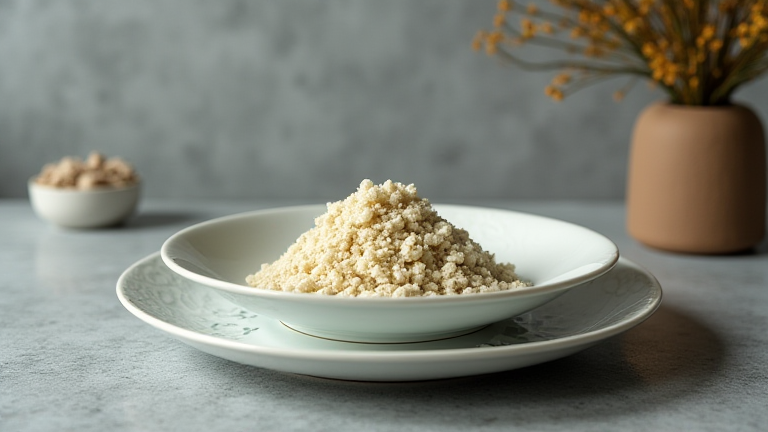
TL;DR: Porcelain, originating in ancient China as a symbol of purity and status, has evolved from a luxury material into a modern wellness tool. Its unique mineral composition and thermal properties support hygiene, reduce bacterial growth, and enhance the sensory experience of daily health rituals like hydration and tea consumption.
The Ancient Origins of a Modern Health Companion
Porcelain, often called “white gold,” has a history stretching back over 1,500 years to the Tang Dynasty in China. Initially a closely guarded secret, its production required specific kaolin clay and high-temperature firing, resulting in a material that was both durable and impermeable. Historically, porcelain was not just a vessel for food; it was a cultural artifact representing refinement and order. In ancient wellness practices, the use of non-porous materials was crucial for preventing the contamination of water and medicinal teas. Unlike earthenware, which could absorb liquids and harbor mold or bacteria, porcelain offered a level of sanitation that aligned with emerging understandings of hygiene. This historical shift from mere utility to a standard of cleanliness laid the groundwork for its modern application in health-focused lifestyles.
If you want to dig deeper, check out our guide on From China to Europe: The Tech Behind Porcelain’s History.
Scientific Benefits of Porcelain in Daily Wellness
Modern science confirms the historical intuition behind porcelain’s use. The vitrified surface of high-quality porcelain is chemically inert, meaning it does not leach heavy metals or plastics into beverages. This is a significant health advantage over some modern alternatives. For instance, studies on water storage containers indicate that inert materials prevent the oxidation of water and maintain its natural pH balance. Furthermore, porcelain’s thermal mass provides excellent heat retention. Drinking tea from a porcelain cup allows the beverage to stay at an optimal temperature longer, encouraging slower, more mindful consumption. This practice, known as mindful hydration, can improve digestion and reduce the risk of thermal injury to the esophagus associated with consuming liquids that are too hot too quickly.
Lifestyle Tips for Health-Conscious Living
To integrate porcelain into your wellness routine, prioritize quality over quantity. Look for items labeled “lead-free” and “food-safe” to ensure chemical purity. When selecting a tea set, choose thinner-walled porcelain for delicate greens and white teas, which benefit from higher temperatures, and thicker-walled pieces for black teas or coffee to manage heat retention. Additionally, the aesthetic calmness of porcelain can reduce stress. The smooth, cool texture and visual simplicity of a porcelain bowl can serve as a grounding object during meditation or meal preparation. Incorporating the ritual of pouring tea into a porcelain cup can transform a mundane act into a moment of mindfulness, lowering cortisol levels and promoting a sense of well-being. By choosing inert, high-quality materials, you eliminate a common source of environmental toxins from your daily diet, supporting long-term cellular health.
FAQ
Q: Is porcelain safer than plastic for daily hydration?
A: Yes, porcelain is chemically inert and does not leach harmful chemicals like BPA or phthalates, making it a safer long-term option for storing water and hot beverages.
Q: How does porcelain affect the taste of tea or coffee?
A: Porcelain has a neutral taste profile that does not alter the flavor of liquids, allowing you to experience the true, unadulterated taste of your chosen beverage.
Q: Can porcelain help with digestive health?
A: While it does not directly treat digestive issues, using porcelain for mindful tea consumption can support digestion by encouraging slower intake and optimal temperature management, reducing strain on the digestive tract.
Leave a Reply