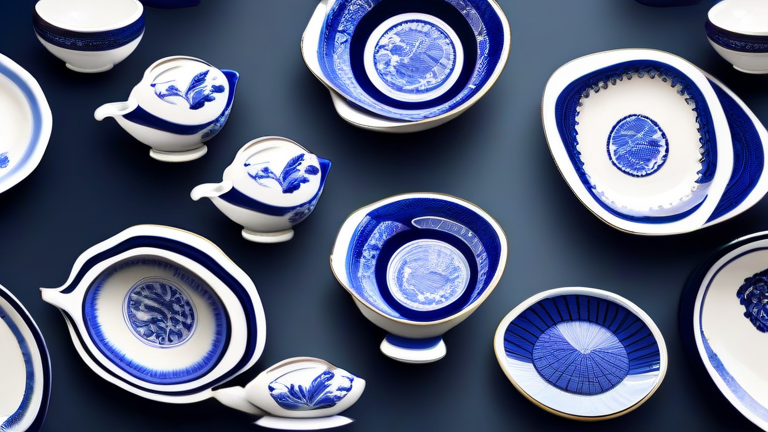
Porcelain Culture: Unpacking the History & Lifestyle of Fine China
TL;DR: Porcelain has evolved from a rare imperial luxury in ancient China to a cornerstone of modern global dining and decorative arts. Embracing porcelain culture today means valuing craftsmanship, sustainability, and the aesthetic refinement it brings to everyday rituals.
For centuries, fine china was synonymous with mystery, power, and exclusivity. Known as “white gold” in Europe during the Ming and Qing dynasties, porcelain was a commodity so valuable that it drove massive trade routes and influenced diplomatic relations across continents. Today, the narrative has shifted from scarcity to accessibility, transforming how we view these delicate objects in our homes. The modern lifestyle angle of porcelain is no longer just about displaying heirlooms in glass cases; it is about integrating art into the daily act of eating, drinking, and gathering. This shift reflects a broader cultural desire for mindfulness and quality in a fast-paced world, where the simple act of pouring tea into a handcrafted cup becomes a moment of pause and appreciation.
If you want to dig deeper, check out our guide on Porcelain History: 10 Fascinating Facts & Cultural Insights.
The Historical Journey of White Gold
The origin of true porcelain lies in Jingdezhen, China, a region that remains the global hub for ceramic production. For over a millennium, the secret to creating vitrified clay that was white, translucent, and resonant was closely guarded. European alchemists and potters spent decades trying to replicate the formula, leading to the creation of bone china in England in the eighteenth century. This innovation allowed for a more durable, yet equally elegant, alternative that became the standard for fine dining in the West. Understanding this history helps us appreciate the technical mastery behind every piece we own. It is not merely a vessel; it is a tangible link to a long history of human ingenuity and artistic expression that has transcended borders and eras.
Integrating Fine China into Modern Living
In contemporary lifestyle design, porcelain serves as a bridge between tradition and modernity. Minimalist homes often feature unglazed or matte-finished pieces that complement neutral palettes, while maximalist spaces might celebrate vibrant, hand-painted patterns that tell a story. The ritual of dining has been reclaimed by many as a form of personal growth and social connection. Using high-quality tableware encourages slower eating and greater attention to flavor and presentation. Furthermore, the sustainability angle of porcelain is increasingly relevant. Unlike disposable plastics, porcelain is non-toxic, lead-free, and can last for generations. Caring for these items involves a specific ritual of handling and cleaning that fosters a deeper connection to the objects we use daily. This mindful approach to consumption is a key aspect of the modern porcelain lifestyle, emphasizing quality over quantity and durability over disposability.
Ultimately, the culture of fine china is about more than just aesthetics; it is about the values we assign to our daily rituals. Whether you are collecting antique plates or selecting a modern set for your kitchen, you are participating in a centuries-old tradition of beauty and utility. By understanding the history and embracing the craft, we elevate our everyday experiences, turning simple meals into memorable events and our homes into spaces of refined comfort. The legacy of porcelain continues to evolve, inviting us to slow down, appreciate the details, and find beauty in the materials that surround us.
FAQ
Q: Is porcelain safe for microwave and dishwasher use?
A: Most modern porcelain is designed to be microwave and dishwasher safe, but always check the manufacturer’s guidelines, especially for pieces with metallic accents or delicate hand-painted designs.
Q: How can I distinguish between porcelain and ceramic?
A: Porcelain is denser and more vitrified than standard ceramic. If you tap it, porcelain produces a clear, ringing sound, whereas ceramic sounds dull. Porcelain is also more translucent when held up to light.
Q: Why is porcelain considered a sustainable choice for dining?
A: Porcelain is made from natural minerals, is non-toxic, and has an incredibly long lifespan. Its durability means it does not contribute to single-use waste, making it an eco-friendly option for long-term
Leave a Reply