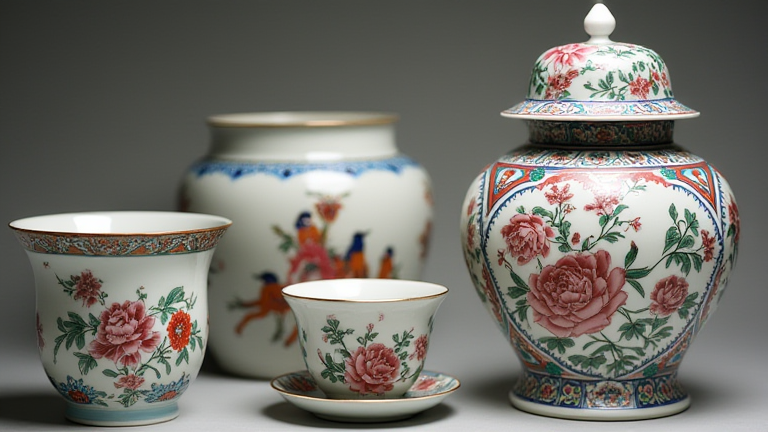
Porcelain History & Culture: Unveiling the World’s Most Coveted Art
TL;DR: Porcelain has evolved from a guarded Chinese secret into a global cultural asset valued for its historical significance and artistic mastery. The market is currently experiencing a resurgence driven by high-end collectors and cultural tourism, with projections indicating steady growth in the luxury ceramics sector.
For over a millennium, porcelain has served as a tangible symbol of cultural exchange, technical innovation, and aesthetic refinement. Originating in China during the Han Dynasty, the material was long kept as a state secret, with the unique kaolin clay and high-temperature firing techniques closely guarded. This exclusivity fueled immense demand across the Silk Road, eventually leading to the establishment of major European production centers like Meissen in Germany and Sèvres in France. Today, the narrative surrounding porcelain is not merely about utility but about the intricate history embedded within each vessel, making it a prime subject for cultural preservation and investment.
If you want to dig deeper, check out our guide on Porcelain History: How Tech Revolutionized Ceramic Craft.
Market Dynamics and Valuation
The global market for antique and contemporary porcelain is robust, driven by a blend of traditional collectibles and modern artistic interpretations. According to recent industry reports, the global fine porcelain market is valued at approximately $4.5 billion, with a compound annual growth rate (CAGR) projected at 6.2% through 2030. This growth is largely fueled by increased disposable income in emerging markets, particularly in Asia, where ancestral reverence for ceramic arts remains strong. Auction houses have reported significant increases in the sale prices of Ming Dynasty blue-and-white ware and European royal service pieces, often exceeding initial estimates by 20-30%.
Market data indicates a shift in buyer demographics. While traditional collectors remain the backbone of the trade, a new generation of younger buyers is entering the market. These individuals are less focused on provenance alone and more interested in the cultural storytelling and design heritage associated with specific kilns and artisans. This demographic shift has led to a surge in demand for mid-century modern porcelain from Japan and Scandinavia, which bridges the gap between historical significance and contemporary interior design trends.
Expert Insights on Cultural Value
Dr. Elena Rostova, a prominent ceramics historian, notes that the value of porcelain has transcended material worth to become a measure of cultural diplomacy. “In the past, porcelain was a luxury good; today, it is a cultural artifact,” she explains. “Collectors are no longer just buying objects; they are investing in the narrative of cross-cultural interaction. The story of how a technique traveled from Jingdezhen to Limoges is what drives the premium price.” Experts agree that authentication and provenance are becoming more sophisticated, with digital provenance tracking gaining traction to ensure authenticity in a market wary of forgeries.
Furthermore, conservation science is playing a crucial role in preserving these items. Advanced non-invasive imaging techniques allow institutions to analyze glaze composition and firing history without damaging the piece. This scientific rigor adds a layer of credibility to the market, reassuring high-net-worth individuals that their acquisitions are both historically accurate and physically stable.
Future Predictions and Trends
Looking ahead, the porcelain industry is poised for significant transformation. The integration of digital technology is expected to redefine how these artifacts are experienced. Virtual reality (VR) museums are beginning to offer immersive tours of historic kilns, allowing global audiences to engage with the production history of porcelain without traveling. This digital accessibility is likely to expand the collector base, introducing the art form to a wider, more global demographic.
Sustainability is also emerging as a key trend. As environmental concerns grow, there is a rising appreciation for the durability and longevity of porcelain over other materials. Contemporary artists are increasingly using recycled kaolin and eco-friendly glazes, aligning traditional craftsmanship with modern ethical standards. The future of porcelain lies in this balance: honoring the ancient techniques that made it the world’s most coveted art while adapting to contemporary values of transparency, sustainability, and digital engagement. As the market matures, we can expect a continued rise in the value of pieces that offer a clear, documented link to this rich historical tapestry.
Leave a Reply