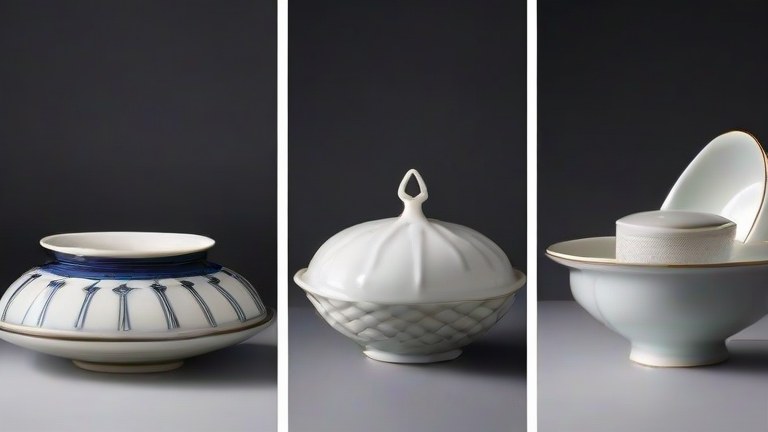
The Enduring Allure of Porcelain: A Journey Through History
TL;DR: Porcelain’s enduring allure stems from its unique blend of technical mastery and aesthetic perfection, transforming a humble clay into a symbol of global cultural exchange. Its journey from secret Chinese alchemy to European industrial revolution represents a profound narrative of human innovation and artistic evolution.
For centuries, porcelain was not merely a material; it was a mystery shrouded in myth. In ancient China, it was often referred to as “white gold,” a term that accurately reflected its value and desirability. The secret to its creation—high-temperature firing of kaolin clay—was guarded so jealously that the Chinese government penalized anyone who revealed the process. This secrecy fueled a global obsession that would eventually reshape the culinary, artistic, and diplomatic landscapes of the world. The sheer whiteness, translucency, and resonant ring of true porcelain set it apart from all other ceramics, offering a canvas that seemed to glow from within. This unique quality invited artists to push the boundaries of decoration, leading to the development of intricate blue-and-white patterns that became iconic symbols of East Asian artistry.
If you want to dig deeper, check out our guide on Porcelain History: 10 Fascinating Facts & Cultural Secrets.
The European Quest for the White Gold
When porcelain first reached Europe via the Silk Road and maritime trade routes, it was met with awe and envy. European monarchs and nobles hoarded Chinese pieces, using them to display their wealth and refined taste. However, the desire to replicate this material drove a wave of scientific experimentation. In Germany, the alchemist Johann Friedrich Böttger finally cracked the code in 1708, creating the first true hard-paste porcelain in Europe. This breakthrough gave birth to the Meissen factory, which quickly became the standard-bearer for European porcelain. The establishment of Meissen marked a turning point, shifting the narrative from passive consumption to active creation. European factories began to develop their own distinct styles, blending Chinese motifs with local artistic traditions, thus creating a rich tapestry of cross-cultural design.
Cultural Significance and Modern Relevance
Today, porcelain remains a cornerstone of cultural identity and personal expression. Beyond its practical use in dining, it serves as a medium for high art, with contemporary sculptors and painters utilizing its surface to explore themes of fragility and strength. The ritual of the tea ceremony, deeply rooted in porcelain usage, continues to influence mindfulness practices worldwide, reminding us of the importance of presence and appreciation for craftsmanship. Owning or using porcelain invites a connection to this long history, encouraging a slower, more deliberate approach to daily life. It is a tangible link to the past, reminding us that beauty and utility can coexist in perfect harmony. As we navigate an era of fast consumption, the timeless elegance of porcelain offers a soothing counterpoint, urging us to value quality, heritage, and the quiet beauty of well-made objects.
FAQ
Q: What makes Chinese porcelain different from European porcelain?
A: Chinese porcelain is traditionally known for its exceptional translucency and a specific blue-and-white aesthetic, while European porcelain often features more elaborate gilding and a broader range of color palettes due to different mineral compositions and artistic influences.
Q: Why is porcelain considered a symbol of status historically?
A: Due to the immense difficulty and cost of its production, porcelain was a luxury good accessible only to the elite, making it a powerful marker of wealth, taste, and social standing in both Eastern and Western societies.
Q: How has porcelain influenced modern lifestyle trends?
A: Porcelain has influenced modern minimalism and sustainable living by promoting the use of durable, aesthetically pleasing, and non-toxic materials, encouraging a shift towards mindful consumption and appreciation of artisanal quality in everyday objects.
Leave a Reply