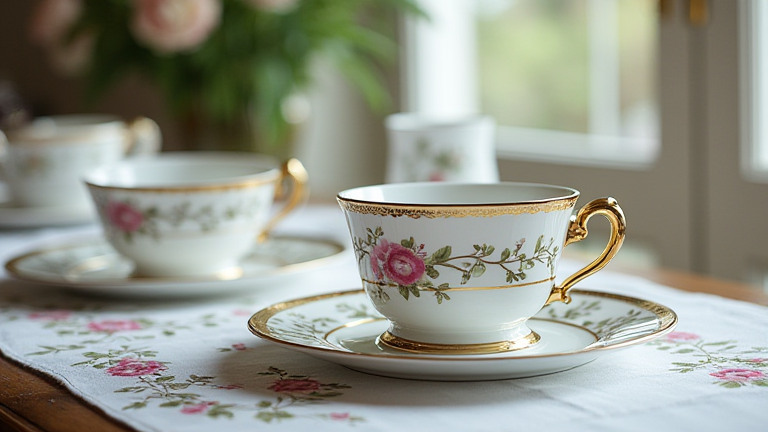
TL;DR: Porcelain is not merely a decorative item but a profound symbol of cultural refinement, originating in China and evolving into a global standard of elegance. Integrating these timeless pieces into your home or culinary rituals fosters a deeper connection to history and elevates daily living into an art form.
The Origins of White Gold
Porcelain’s journey begins in ancient China, where artisans mastered the secret of high-temperature firing kaolin clay. This innovation, initially guarded as a state secret, produced vessels that were translucent, resonant, and incredibly durable. Known as “white gold,” these items were highly prized by emperors and later became the driving force behind European exploration and trade. Understanding this origin shifts the perspective from simple tableware to a vessel of historical weight, carrying centuries of artistic ambition and technological breakthroughs.
If you want to dig deeper, check out our guide on Porcelain History & Culture: A Complete Beginner’s Tutorial.
Culinary Elegance and the Art of Dining
In the modern lifestyle, porcelain transforms the act of eating into a sensory experience. Unlike plastic or lower-grade ceramics, fine porcelain retains heat and flavor, enhancing the taste of food. Whether it is a delicate Japanese tea bowl or a heavy, textured French dinner plate, the tactile weight and visual purity of the material command respect. Choosing specific styles, such as the minimalist aesthetic of contemporary Scandinavian design or the intricate floral patterns of Meissen, allows individuals to curate a dining space that reflects their personal taste and cultural appreciation.
Decorative Integration and Personal Growth
Beyond the kitchen, porcelain serves as a powerful anchor for personal growth and mindfulness. The practice of collecting or maintaining porcelain requires patience and care, mirroring the virtues of discipline and appreciation for imperfection. Displaying a single, exquisite vase or a curated set of cups encourages a slower, more intentional pace of life. It invites the observer to pause, appreciate the craftsmanship, and find beauty in the mundane. This integration of art into daily routines fosters a sense of calm and stability, proving that elegance is not just about luxury, but about the quality of attention we give to our surroundings.
FAQ
Q: What distinguishes fine porcelain from regular ceramic?
A: Fine porcelain is made from kaolin clay and fired at extremely high temperatures, resulting in a material that is vitrified, translucent, and resonant, whereas regular ceramic is more porous and opaque.
Q: How should I care for antique porcelain pieces?
A: Handle antique pieces with dry hands, avoid harsh detergents, and store them in padded boxes to prevent chips, ensuring they remain intact for future generations.
Q: Can modern porcelain be used for daily dining?
A: Yes, modern high-quality porcelain is designed for durability and safety, making it ideal for daily use while still offering the aesthetic and functional benefits of fine china.
Leave a Reply