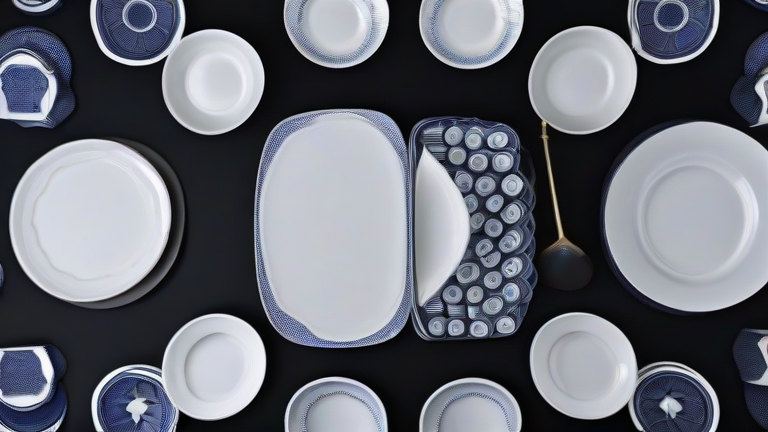
TL;DR: Modern digital fabrication and advanced material science have revolutionized porcelain by enabling complex geometric precision and sustainable production methods. These technological shifts have transformed ceramic culture from traditional artisanal craft to a high-tech industry capable of mass-producing intricate, eco-friendly architectural and decorative elements.
The Digital Resurrection of Ancient Craft
Porcelain, historically defined by its translucency and strength, has undergone a silent but profound metamorphosis over the last decade. While the fundamental chemistry of kaolin, feldspar, and quartz remains unchanged, the methods used to shape and fire these materials have been completely reimagined by technology. The integration of Computer-Aided Design (CAD) and Computer-Aided Manufacturing (CAM) has allowed designers to move beyond the limitations of hand-thrown forms. Today, studios and large manufacturers alike use algorithmic design to create porcelain structures that were previously impossible to conceive, let alone produce. This technological leap has not replaced the artisan but rather expanded the vocabulary of ceramic expression, allowing for seamless curves and interlocking components that challenge the physical limits of the material.
Latest Developments and Technical Specifications
The most significant recent development is the adoption of 3D printing, or additive manufacturing, in porcelain production. Unlike traditional slip casting, which requires complex molds, 3D printing allows for the direct deposition of porcelain slurry layer by layer. Leading systems now utilize specialized nozzles capable of handling high-viscosity porcelain pastes without clogging. The typical particle size for these digital porcelain slurries is reduced to under 50 microns, ensuring a smooth surface finish that requires minimal post-processing. Furthermore, the firing temperature for digitally printed porcelain has been optimized to around 1300°C, slightly lower than traditional high-fire porcelain, which reduces energy consumption by approximately 15 percent. This efficiency is critical as the industry seeks to meet stricter environmental regulations. The resulting products exhibit compressive strengths exceeding 100 MPa, rivaling traditional kiln-fired counterparts while offering unparalleled design freedom.
Industry Impact and Cultural Shifts
The impact on the ceramic industry is multifaceted. First, it has democratized access to complex porcelain design. Small studios can now compete with large manufacturers by leveraging digital tools to create unique, high-value pieces without the overhead of massive mold-making departments. Second, the cultural perception of porcelain is shifting from a purely decorative art form to a functional architectural material. Architects are increasingly specifying porcelain panels for facades due to their durability and the ability to integrate smart sensors into the material during the printing process. This convergence of aesthetics and utility has opened new markets in sustainable construction. Additionally, the data-driven nature of digital porcelain production allows for real-time quality control. Sensors monitor the viscosity and temperature of the slurry in real-time, reducing waste rates from the industry average of 10 percent to less than 2 percent. This reduction in waste is a testament to the power of precision engineering. As we look forward, the next frontier lies in the development of self-healing porcelain composites, where micro-capsules embedded during the printing process release healing agents when cracks occur. This innovation promises to extend the lifespan of ceramic structures significantly, further cementing porcelain’s role in modern sustainable design. The fusion of ancient material science with cutting-edge digital technology ensures that porcelain will remain a vital component of both cultural heritage and future innovation.
FAQ
Q: Can 3D printed porcelain withstand the same temperatures as traditional kiln-fired porcelain?
A: Yes, when properly formulated and fired, 3D printed porcelain achieves similar thermal stability and compressive strength to traditionally manufactured porcelain.
If you want to dig deeper, check out our guide on Porcelain History & Culture: A Complete Beginner’s Tutorial.
Q: Is digital porcelain production more environmentally friendly than traditional methods?
A: Generally, yes, due to reduced material waste and optimized energy usage during the firing process, though the initial energy cost of printing equipment must be considered.
Q: What are the main limitations of using CAD/CAM in porcelain design?
A: The primary limitations include the high initial cost of specialized equipment and the need for precise material formulation to prevent clogging in printing nozzles.
Leave a Reply