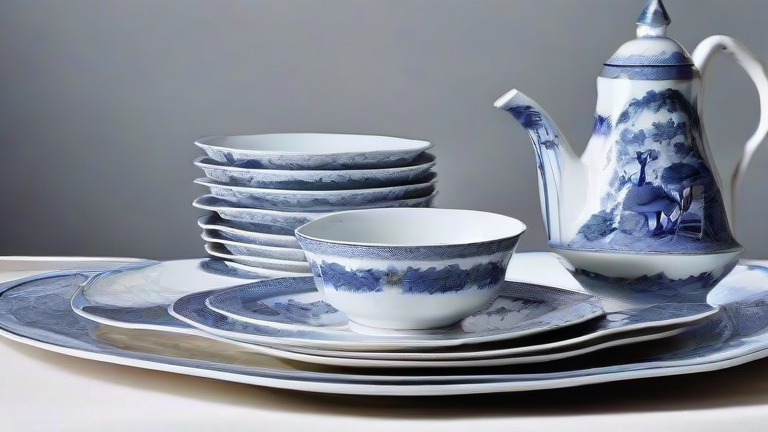
TL;DR: Collecting and caring for fine porcelain offers significant psychological benefits through mindfulness and tactile engagement, reducing stress and improving cognitive focus. Furthermore, the historical appreciation of these artifacts fosters a deeper connection to cultural heritage, promoting mental well-being and social bonding.
The Art of Tactile Mindfulness
In the fast-paced modern world, the deliberate act of handling fine china serves as a powerful anchor for mental clarity. Unlike digital interactions, which often fragment attention, the smooth, cool surface of porcelain demands immediate, present-moment awareness. This tactile experience activates the somatosensory cortex, encouraging a state of flow that is scientifically linked to reduced cortisol levels. When you hold a Ming dynasty bowl or a contemporary hand-thrown piece, you are not just observing an object; you are engaging in a meditative ritual. This practice, known as “object-centered mindfulness,” helps ground the mind, offering a tangible break from the relentless digital noise that plagues contemporary wellness. The weight and balance of quality china require gentle handling, forcing the practitioner to slow down and breathe deeply, thereby lowering heart rate and blood pressure.
If you want to dig deeper, check out our guide on Porcelain History & Culture: A Tech Guide to Ancient Craft.
Cultural Connection and Cognitive Health
Engaging with porcelain history also stimulates cognitive functions through narrative immersion. Learning about the alchemy of clay, water, and fire, or the trade routes that brought these items from Jingdezhen to Europe, exercises memory and analytical skills. This intellectual stimulation is crucial for maintaining cognitive reserve, a concept linked to delaying age-related mental decline. Moreover, the aesthetic appreciation of fine china enhances emotional regulation. Studies in environmental psychology suggest that exposure to high-quality art and design improves mood and reduces feelings of anxiety. The intricate blue-and-white patterns or the delicate translucency of bone china provide visual pleasure that can elevate serotonin levels. By integrating these cultural artifacts into daily life, whether for dining or display, individuals create a sanctuary of beauty that contrasts with the chaos of daily stressors.
Social Well-Being and Ritual
Porcelain is inherently social. The act of setting a table with fine china for a meal transforms eating from a mere biological necessity into a communal ritual. This shared experience strengthens social bonds, which are a primary determinant of long-term health and longevity. The etiquette associated with using fine china encourages patience, respect, and attentiveness to others. These social interactions, facilitated by the elegance of the medium, foster a sense of belonging and community, combating the isolation that is increasingly common in modern lifestyles. Additionally, the care required for maintaining porcelain—such as proper washing and storage—provides a structured routine that can improve overall organizational skills and personal discipline.
Practical Wellness Tips
To incorporate these benefits into your routine, start by dedicating fifteen minutes a week to “porcelain appreciation.” Pick up a piece, examine its glaze, and read about its history. Use fine china for your morning coffee to establish a calm start to the day. Host small gatherings where guests can appreciate the tableware, fostering deeper conversations. By valuing the object, you value the time and human effort behind it, cultivating a mindset of gratitude and presence that is essential for holistic health.
FAQ
Q: Is it safe to use old porcelain for daily eating?
A: Yes, provided the glaze is intact and lead-free. Modern standards ensure safety, but check for chips in antique pieces, as microscopic lead leaching can occur if the glaze is damaged.
Q: How does holding porcelain reduce stress?
A: The cool, smooth texture activates calming neural pathways, while the focus required for careful handling promotes mindfulness, lowering physiological markers of stress like cortisol.
Q: Can collecting china improve mental health?
A: Yes, the hobby provides a sense of accomplishment, purpose, and social connection through communities of collectors, all of which are key components of psychological well-being.
Leave a Reply