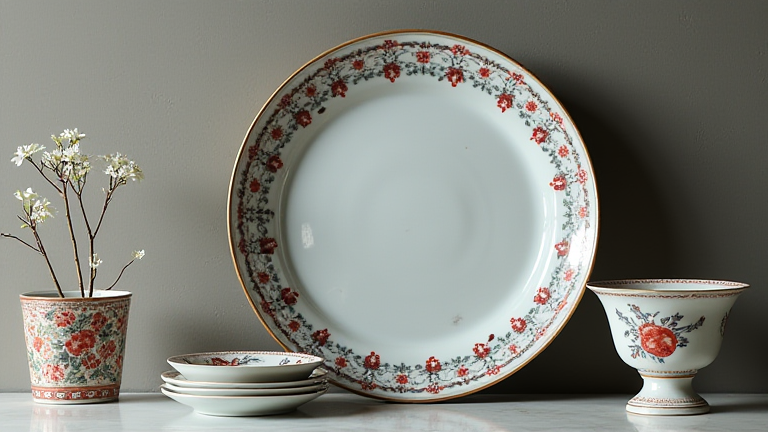
TL;DR: Porcelain is more than just tableware; it is a tangible connection to centuries of artistic evolution, diplomatic exchange, and culinary refinement that defines modern lifestyle aesthetics. Integrating high-quality porcelain into your daily routine elevates simple acts like dining and tea drinking into mindful, culturally rich experiences that bridge past and present.
The White Gold of History
For centuries, porcelain was known as “white gold,” a material so precious that it was worth its weight in silver in European markets. Originating in China during the Han Dynasty, the secret to its production was guarded with intense secrecy. The process involves blending kaolin clay with feldspar and quartz, then firing the mixture at exceptionally high temperatures. This unique chemical reaction results in a material that is vitreous, non-porous, and acoustically resonant. Unlike earthenware, which remains porous and requires glazing to prevent leakage, true porcelain is dense and durable, capable of surviving centuries of use while retaining its structural integrity and luster. Understanding this historical context transforms a simple plate from a utilitarian object into a piece of living history.
If you want to dig deeper, check out our guide on Porcelain History & Culture: A Deep Dive into Porcelain.
Culinary Elegance and Table Setting
In the realm of food culture, porcelain plays a pivotal role in the presentation of meals. The white, neutral surface of fine porcelain allows the vibrant colors of fresh ingredients to pop, enhancing the visual appeal of every dish. From the delicate bowls used in Japanese kaiseki cuisine to the ornate tea sets of European aristocracy, the choice of vessel influences the sensory experience of eating. High-quality porcelain does not retain odors or flavors, ensuring that a bowl used for rich curry does not taint the next serving of delicate soup. Furthermore, the thermal properties of porcelain help retain heat better than glass or plastic, keeping soups and stews warmer for longer periods. When curating your home dining experience, selecting pieces with a history or a distinct cultural origin can add depth to your table setting, turning dinner into a narrative of global craftsmanship.
Collecting and Personal Growth
For many, engaging with porcelain history is a form of personal growth and intellectual enrichment. Collecting antique or contemporary porcelain pieces encourages a deeper appreciation for global trade routes, artistic movements, and technological advancements. Each piece tells a story, whether it is a Ming Dynasty blue-and-white vase that survived the Silk Road or a modern minimalist cup designed by a contemporary artisan. This hobby fosters patience, research skills, and an eye for detail. It also promotes sustainability, as many enthusiasts prefer repairing and repurposing older pieces rather than discarding them. By understanding the labor and skill involved in creating these objects, we develop a greater respect for craftsmanship in all aspects of life. This mindfulness extends beyond the object itself, influencing how we value quality, durability, and beauty in our daily choices.
Cultural Exchange and Modern Trends
Porcelain has always been a medium for cultural exchange. The introduction of Chinese porcelain to Europe sparked the “China trade” and influenced the development of local ceramics industries, such as those in Meissen, Germany, and Limoges, France. Today, this legacy continues through fusion designs that blend traditional techniques with modern aesthetics. Contemporary designers often experiment with new forms, colors, and materials, creating pieces that are both functional and sculptural. These modern interpretations make porcelain accessible to a wider audience, allowing individuals to incorporate historical significance into contemporary living spaces. Whether you choose a hand-thrown mug for your morning coffee or a statement centerpiece for your dining table, you are participating in a centuries-old tradition of appreciating the fine arts.
FAQ
Q: How can I distinguish between real porcelain and ceramic?
A: Real porcelain is denser, thinner, and more translucent than ceramic. If you hold a piece up to light, true porcelain will allow some light to pass through, whereas ceramic will not. Additionally, porcelain has a higher ring when tapped due to its hardness.
Q: What is the best way to clean antique porcelain pieces?
A: Use a soft, lint-free cloth and warm water with a mild, pH-neutral soap. Avoid abrasive spon
Leave a Reply