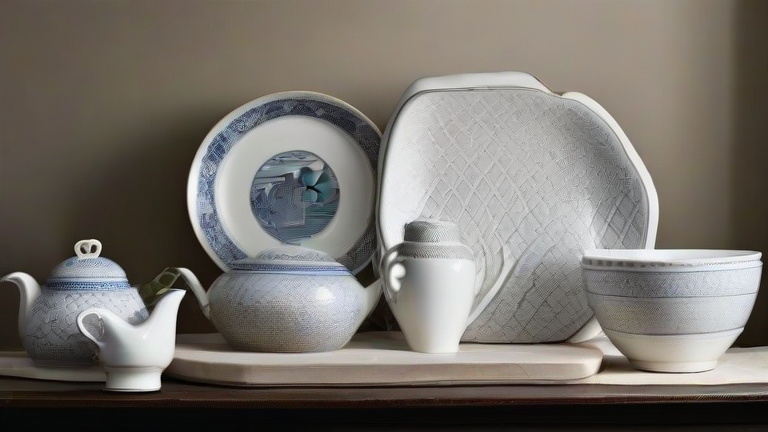
TL;DR: Porcelain is more than just tableware; it is a tangible link to centuries of global trade, artistic innovation, and social ritual. Integrating porcelain into your lifestyle offers a timeless way to appreciate cultural heritage through daily elegance, mindful consumption, and curated travel experiences.
The Allure of Porcelain in Modern Life
For centuries, porcelain has been synonymous with sophistication, fragility, and high status. Originally a closely guarded secret in China, the white gold of the East traveled along the Silk Road, eventually transforming dining tables, art collections, and domestic rituals across Europe and Asia. Today, the allure of porcelain persists not because of its rarity, but because of its enduring cultural weight. By looking back at historical trends, we can uncover seven lifestyle shifts that remain relevant and inspiring for the modern individual seeking depth and beauty in everyday objects.
If you want to dig deeper, check out our guide on Porcelain History: Tech Behind the White Gold.
1. The Ritual of the Tea Ceremony
In both Chinese and Japanese cultures, the act of drinking tea is a meditative practice centered around the vessel. Historically, specific porcelain glazes were developed to complement the taste of different teas. In your personal growth journey, adopting this ritual means slowing down. Instead of rushing through coffee, try using a high-quality porcelain cup to savor green tea, focusing on the warmth of the clay and the clarity of the liquid. This simple shift transforms a biological necessity into a moment of mindfulness.
2. Art as Daily Utility
In the 18th century, the rise of porcelain factories in Sèvres and Meissen blurred the line between fine art and household items. Plates and vases became canvases for painters. Today, this trend encourages us to view our home decor as a gallery. Rather than buying mass-produced items, seek out hand-painted porcelain pieces that tell a story. Displaying a single, stunning vase on a shelf can elevate your living space, reminding you that utility and beauty are not mutually exclusive. It is a form of visual curation that brings joy and cultural appreciation to your daily environment.
3. The Global Traveler’s Palate
Porcelain history is inextricably linked to the history of travel. The demand for Chinese export ware drove maritime exploration and the establishment of global trade routes. For the modern traveler, this trend suggests a food-centric approach to tourism. When visiting regions known for their ceramic traditions, such as Jingdezhen in China or Limoges in France, visit local workshops. Tasting local foods served on traditional porcelain enhances the culinary experience, grounding you in the local history and craftsmanship. It turns a meal into an educational and sensory journey.
4. Sustainable Luxury and Repair
Historically, broken porcelain was often discarded due to its cost. However, the Japanese art of kintsugi, which repairs broken pottery with gold, offers a powerful lesson in personal growth and sustainability. It teaches us to embrace imperfection and value repair over replacement. In your lifestyle, this translates to a mindset of longevity. Invest in high-quality porcelain that lasts generations. If an item breaks, consider professional repair rather than immediate disposal. This practice fosters a deeper connection to your possessions and reduces waste, aligning luxury with ethical responsibility.
5. The Collector’s Curiosity
From the Ming Dynasty to the Victorian era, collecting porcelain was a mark of intellectual and social capital. Today, this trend evolves into a hobby of curiosity. Start a small collection based on a specific theme, such as blue and white patterns or animal figurines. Researching the history behind each piece engages your mind and connects you to a broader historical narrative. It is a passive yet profound way to engage with history, fostering a sense of continuity with the past.
6. Domestic Hospitality
Throughout history, the presentation of food has been a key aspect of hospitality. The gleam of porcelain signifies care and respect for guests. In modern socializing, this trend encourages intentional hosting. Serve meals on matched sets or carefully selected pieces that reflect the occasion. The visual appeal of the table setting sets the tone for the gathering, promoting conversation and connection. It is
Leave a Reply