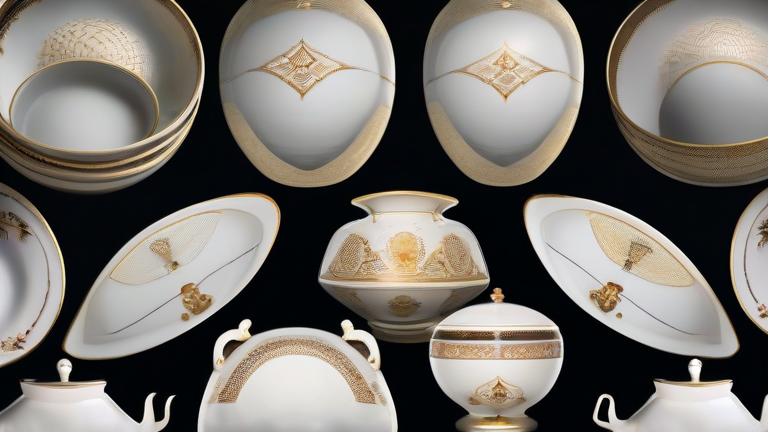
TL;DR: Porcelain’s ancient origins in China reveal a profound connection between artisanal craftsmanship and holistic well-being, where the firing process symbolized balance and harmony. Embracing porcelain culture through mindful creation and appreciation can reduce stress and enhance mental clarity by connecting modern lifestyles to centuries-old wellness traditions.
The Alchemy of Earth and Fire
Porcelain is often viewed merely as a material for dining or decoration, but its history is deeply rooted in philosophical and health principles. Originating in China during the Han and Tang dynasties, the discovery of kaolin clay and the mastery of high-temperature firing were not just technical achievements but spiritual endeavors. Ancient artisans believed that the transformation of raw earth into translucent, white beauty mirrored the human journey toward purity and enlightenment. This process required extreme patience, precision, and respect for natural elements, fostering a state of mind that aligns closely with modern mindfulness practices.
If you want to dig deeper, check out our guide on Porcelain History: 5 Cultural Trends Reshaping Ceramic Art.
Cultural Wellness Through Craft
In East Asian cultures, the appreciation of porcelain extends beyond utility into the realm of mental wellness. The Japanese concept of Wabi-Sabi, often associated with ceramic arts, encourages finding beauty in imperfection and transience. Engaging with porcelain culture, whether by collecting antique teacups or practicing pottery, offers a tactile connection to history that grounds the mind. Science suggests that engaging in slow, deliberate crafts like pottery can lower cortisol levels and improve focus. The rhythmic nature of shaping clay or the meditative act of sipping tea from a carefully crafted vessel promotes parasympathetic nervous system activity, aiding relaxation and reducing anxiety.
Modern Applications for Holistic Health
Integrating porcelain into daily wellness routines does not require becoming an artisan. Start by choosing high-quality, handcrafted porcelain for your daily meals. The thermal properties of porcelain keep food at optimal temperatures, encouraging mindful eating. Additionally, consider visiting local pottery studios or museums to engage with the cultural narrative behind the material. This immersive experience provides a digital detox, allowing the brain to rest from screen fatigue. By understanding the historical weight and cultural significance of porcelain, you transform a simple object into a vessel for reflection and peace.
FAQ
Q: How does handling porcelain improve mental health?
A: The tactile, slow-paced nature of engaging with ceramics promotes mindfulness, reducing stress hormones and enhancing present-moment awareness.
Q: Is porcelain safe for daily wellness use?
A: Yes, high-quality porcelain is non-porous and inert, making it a safe and hygienic choice for food and beverage consumption without leaching chemicals.
Q: What is the historical link between porcelain and tea culture?
A: Porcelain’s development in China was closely tied to tea rituals, where the material’s purity and elegance supported the meditative and social aspects of tea drinking.
Leave a Reply