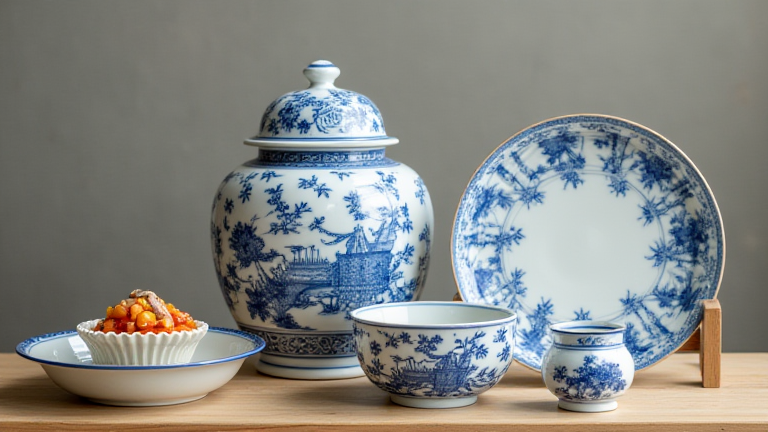
TL;DR: Porcelain is a high-fired ceramic known for its white, translucent body and resonant sound, originating in China over a millennium ago. This guide outlines the essential steps to understand its historical evolution, cultural significance, and proper care for modern collectors and enthusiasts.
Step 1: Understand the Origins
To appreciate porcelain, begin by studying its roots in ancient China, specifically during the Tang Dynasty (618–907 AD). Early forms were often yellowish, but it was the Song Dynasty that perfected the pure white aesthetic. Recognize that the term “porcelain” comes from the Italian word “porcellana,” named after the cowrie shells that resemble its white surface. This historical context is crucial for identifying authentic antiques versus modern reproductions.
Step 2: Identify Key Regions and Styles
Learn to distinguish between major production centers. Jingdezhen in China is the most famous, known for its “Imperial Porcelain.” In Europe, Meissen in Germany is recognized as the first true hard-paste porcelain producer, established in 1710. Compare these regions by examining glaze textures and decorative motifs. Chinese styles often feature dragon and phoenix imagery, while European styles lean towards floral patterns and mythological scenes. Understanding these regional differences helps you categorize pieces accurately.
Step 3: Learn the Manufacturing Process
Porcelain is made from a specific mix of kaolin, feldspar, and quartz. Unlike earthenware, it requires firing at very high temperatures, often exceeding 1,200 degrees Celsius. This process creates a non-porous, vitrified body. Study the difference between soft-paste and hard-paste porcelain. Hard-paste is more durable and translucent, while soft-paste, common in early European factories, is more porous and often painted with metallic oxides. Knowing the chemistry helps you assess the quality and authenticity of a piece.
Step 4: Explore Cultural Significance
Porcelain was not just a household item; it was a diplomatic and trade commodity. In the 16th and 17th centuries, it was so valuable in Europe that it was worth its weight in gold. It influenced global art and design, leading to the creation of “famille rose” in China and “Delftware” in the Netherlands as an attempt to mimic the imported goods. Consider how porcelain reflects social status and cultural exchange. It served as a canvas for artistic expression and a symbol of wealth across continents.
Step 5: Care and Display Tips
Proper maintenance ensures longevity. Clean porcelain with mild soap and lukewarm water, avoiding abrasive sponges that can scratch the glaze. Handle pieces by the body, not the handles or rims, to prevent stress fractures. Display items in low-humidity environments to avoid moisture damage, especially for older pieces with gilding. Use padded shelves and avoid direct sunlight, which can fade painted decorations. Regularly inspect for hairline cracks, as these can spread over time.
Step 6: Start Your Collection
Begin with affordable pieces or replicas to familiarize yourself with the tactile qualities of porcelain. Visit local antique fairs and museum stores to see authentic examples. Join online forums or local collector groups to share knowledge and identify pieces. Start with a specific theme, such as blue-and-white patterns or a particular era, to deepen your expertise.
FAQ
Q: How can I tell if porcelain is authentic?
A: Listen to the sound when gently tapped; authentic porcelain produces a clear, ringing tone. Also, hold the piece up to light; true hard-paste porcelain should be slightly translucent at the thin edges.
If you want to dig deeper, check out our guide on Porcelain History: Unveiling the Tech Behind the White Gold.
Q: What is the difference between china and porcelain?
A: “China” is a colloquial term often used interchangeably with porcelain, but technically, porcelain refers to the material fired at high temperatures, while “china” can sometimes refer to lower-quality earthenware or stoneware used for tableware.
Q: Can I put antique porcelain in the
Leave a Reply