TL;DR: Explore the rich heritage of porcelain by tracing its origins from ancient China to global adoption. Master basic care and appreciation techniques to enjoy this delicate art form in your daily life.
Understanding Porcelain Origins
Begin your journey by understanding the roots of porcelain production. This material originated in China during the Han Dynasty, reaching its peak quality during the Tang and Song dynasties. Early artisans discovered that specific types of clay, known as kaolin, could be fired at extremely high temperatures. This process resulted in a material that was translucent, white, and exceptionally durable. Understanding this historical context helps you appreciate the technical mastery required to create these objects. Study the different dynasties to see how styles evolved from simple functional ware to intricate decorative pieces.
If you want to dig deeper, check out our guide on Porcelain History: A Cultural Journey Through Time & Style.
Exploring Cultural Significance
Next, delve into the cultural impact of porcelain across the globe. For centuries, porcelain was considered a luxury item, often more valuable than gold in Western markets. It became a status symbol for the elite and a prized trade commodity. The “China trade” brought these delicate vessels to Europe, sparking a craze for imitation. In Japan, porcelain influenced the development of local ceramic arts, such as Imari ware. In Europe, the quest to replicate Chinese porcelain led to the establishment of famous factories in Sèvres and Meissen. Recognizing these cross-cultural exchanges provides a deeper understanding of how art and commerce have shaped global history.
Identifying Key Styles
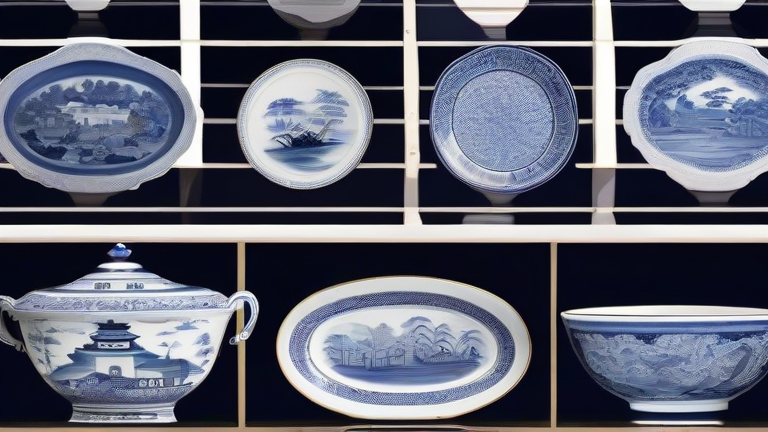
Learn to distinguish between major porcelain styles to enhance your collection or understanding. Chinese porcelain is often characterized by blue-and-white motifs, intricate dragon designs, and floral patterns. European porcelain tends to feature pastels, gilded accents, and naturalistic scenes. Japanese styles may emphasize asymmetry, earthy tones, and subtle glazes. By studying these visual cues, you can better identify the origin and era of a piece. Pay attention to the base marks, which often indicate the manufacturer or the year of production. These small details are crucial for authentication and valuation.
Basic Care and Maintenance
Proper care ensures the longevity of your porcelain items. Always handle pieces with clean, dry hands to avoid oil stains. Support the weight of the piece from the bottom, rather than gripping thin handles or rims. Clean with lukewarm water and a mild, non-abrasive soap. Avoid using harsh chemicals or abrasive scrubbers, which can damage the glaze. Dry thoroughly with a soft, lint-free cloth. Store items in a cool, dry place away from direct sunlight, which can fade colors over time. If you own antique pieces, consider consulting a professional conservator for any repairs or cleaning.
Appreciating Modern Innovations
Finally, explore how porcelain has evolved in the modern era. Today, porcelain is used not only for tableware but also for high-end jewelry, architectural elements, and even medical implants. Modern kilns allow for more precise temperature control, resulting in consistent quality. Artists continue to push boundaries with new glazes and forms. By staying informed about contemporary trends, you can appreciate the full spectrum of porcelain’s history and culture. This holistic view connects the past to the present, highlighting the enduring appeal of this unique material.
FAQ
Q: What makes porcelain different from other ceramics?
A: Porcelain is made from kaolin clay and fired at higher temperatures, making it denser, whiter, and more translucent than earthenware or stoneware.
Q: How can I tell if a piece is genuine antique porcelain?
A: Look for specific historical marks, signs of age like crazing in the glaze, and consistent wear patterns that suggest long-term use rather than recent manufacturing.
Q: Is porcelain safe for microwave use?
A: Most modern porcelain is microwave-safe, but check the manufacturer’s guidelines, especially for pieces with metallic accents or intricate gilding that may spark.
Leave a Reply