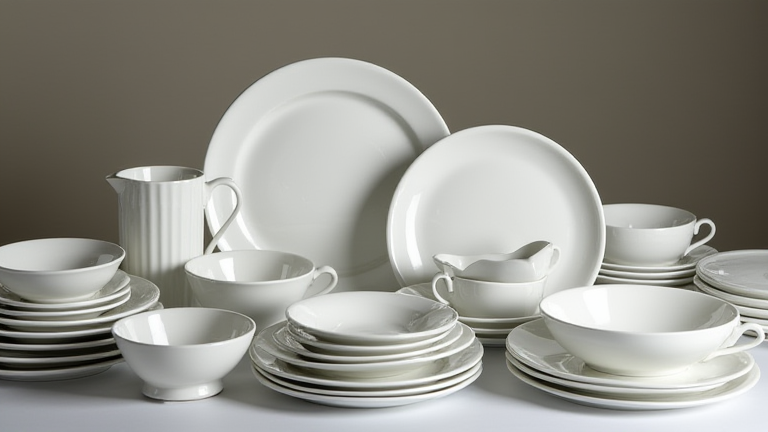
TL;DR: Porcelain’s evolution represents a pivotal shift in public health, transitioning from lead-glazed earthenware to a vitreous, non-porous material that eliminates toxic leaching risks. Choosing certified lead-free porcelain dinnerware is a simple, evidence-based lifestyle choice that supports long-term wellness by reducing heavy metal exposure during meals.
The Alchemy of Safety
For centuries, the standard for tableware was earthenware, often glazed with lead to achieve a shiny finish. Modern toxicology confirms that acidic foods can leach lead from these older glazes, contributing to neurological damage and cardiovascular issues. The invention of true porcelain, first mastered in China and later in Europe, offered a revolutionary solution. Because porcelain is fired at extremely high temperatures, it creates a glass-like, vitreous surface. This structural integrity means it is chemically inert and non-porous, preventing food particles and bacteria from penetrating the material. This physical property is the cornerstone of its safety profile, distinguishing it from lower-fired ceramics that may harbor microscopic cracks where pathogens can reside.
If you want to dig deeper, check out our guide on Porcelain History & Culture: A Deep Dive into Tech & Traditi.
Cultural Heritage and Modern Hygiene
The cultural history of porcelain is inseparable from its role in hygiene and social status. In the eighteenth century, the Meissen and Sèvres factories established standards for purity that are still relevant today. These historical workshops refined glazing techniques to ensure that the surface remained smooth and easy to sanitize. Today, this legacy informs our modern lifestyle tips. When selecting dinnerware, look for products labeled as “lead-free” and “cadmium-free.” These certifications indicate that the glaze has undergone rigorous testing to ensure no harmful heavy metals are present. Furthermore, the durability of porcelain means it does not chip as easily as other ceramics, reducing the risk of inhaling or ingesting small shards. This durability supports a sustainable lifestyle, as high-quality porcelain pieces can last for generations, reducing waste and the environmental footprint associated with constant replacement.
Practical Lifestyle Integration
Integrating safe porcelain into your daily routine is straightforward. Start by inspecting your existing collection; if you have antique pieces, avoid using them for food storage or with acidic liquids like tomatoes or citrus. For new purchases, prioritize brands that adhere to modern safety standards, such as FDA or LFGB compliance. Proper care is also essential for maintaining health benefits. While porcelain is often dishwasher safe, hand-washing with mild soap can preserve the glaze integrity over time, ensuring the surface remains smooth and resistant to bacterial buildup. By choosing high-fired porcelain, you are not just selecting an aesthetic object; you are making a calculated decision to protect your family’s health through superior material science and historical craftsmanship.
FAQ
Q: Is all porcelain safe for daily use?
A: No, only high-fired, lead-free porcelain is guaranteed safe; always verify manufacturer certifications for heavy metal content.
Q: How does porcelain compare to plastic in terms of health?
A: Porcelain is non-porous and inert, unlike some plastics which may leach chemicals when heated, making porcelain a safer choice for hot meals.
Q: Can I use antique porcelain for serving food?
A: It is generally advised to use antique pieces only for decoration, as older glazes may contain lead that could leach into food.
Leave a Reply