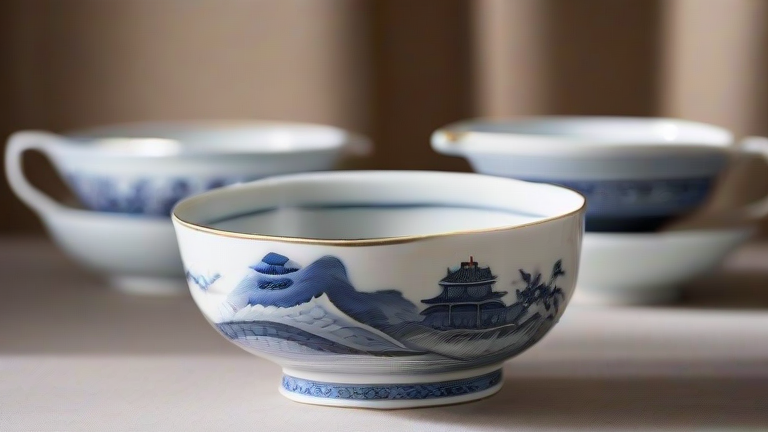
TL;DR: Porcelain is far more than a table setting—it’s a 1,000-year-old story of trade, technology, and taste that shaped global dining rituals. By understanding its history and regional styles, you can turn everyday meals into mindful, cultural experiences.
The Fires of Jingdezhen: Where It All Began
Long before your grandmother’s china cabinet became a Sunday-best shrine, porcelain was a state secret. In China’s Jiangxi province, the town of Jingdezhen perfected the blend of kaolin and petuntse, firing it at 1,300°C until it emerged translucent, ringing like a bell. By the Tang dynasty (618–907), this “white gold” was so prized that emperors reserved it for court use. The technology didn’t reach Europe until the 1700s, when German alchemist Johann Friedrich Böttger cracked the code in Meissen—sparking a porcelain fever that birthed Sèvres, Wedgwood, and Limoges. For the modern lifestyle enthusiast, this history transforms a simple teacup into a portal: every sip carries the weight of Silk Road caravans and royal espionage.
If you want to dig deeper, check out our guide on Porcelain History: A Deep Dive into Luxury & Culture.
Eating With Intention: The Culture of Fine China
Porcelain culture isn’t about dusting shelves—it’s about slowing down. In Japan, the art of yakimono (ceramics) pairs with kaiseki dining, where each dish is chosen to complement the glaze, not just the flavor. In Morocco, hand-painted zellige-inspired plates turn tagines into tactile art. Adopting fine china at home doesn’t mean formality; it means presence. Use a hand-painted espresso cup for your morning shot, or serve a weeknight curry on a cobalt-blue platter. The weight, the rim, the slight irregularity of hand-applied glaze—these details anchor you to the moment. Food tastes better when you honor the vessel, a principle that dieticians and Zen monks agree on.
Collecting as a Personal Growth Journey
Starting a porcelain collection is less about investment and more about self-discovery. Each piece you choose—a Victorian transferware plate, a mid-century Scandinavian vase, a modern Korean moon jar—reflects your evolving aesthetic. Visit flea markets, ask dealers about maker’s marks, and learn to spot the “eggshell” thinness of fine bone china versus the heavier stoneware. You’ll develop patience, research skills, and a deeper appreciation for craftsmanship. Display your finds on open shelving, not behind glass, and rotate them seasonally. Use a chipped bowl to hold keys; repurpose a saucer as a soap dish. This is the ultimate anti-disposable lifestyle: every object has a second chapter, and so do you.
FAQ
Q: How can I tell real porcelain from ceramic or stoneware?
A: Hold it up to light—true porcelain is translucent. Also, tap the rim; porcelain produces a clear, bell-like ring, while stoneware thuds. Check the base: unglazed porcelain feels smooth and white, not rough or tan.
Q: Is fine china safe for everyday use, or only special occasions?
A: Modern porcelain is dishwasher- and microwave-safe unless it has metallic trim (gold or platinum). For vintage pieces, hand-wash with mild soap. Using fine china daily is encouraged—it’s durable and designed for enjoyment, not museum display.
Q: What’s the best entry-level brand for a beginner collector?
A: Start with Japanese brands like Noritake or Narumi—they offer quality at accessible prices. For vintage thrift finds, look for English bone china from Churchill or Johnson Brothers, which are abundant in secondhand shops and forgiving for beginners.
Leave a Reply