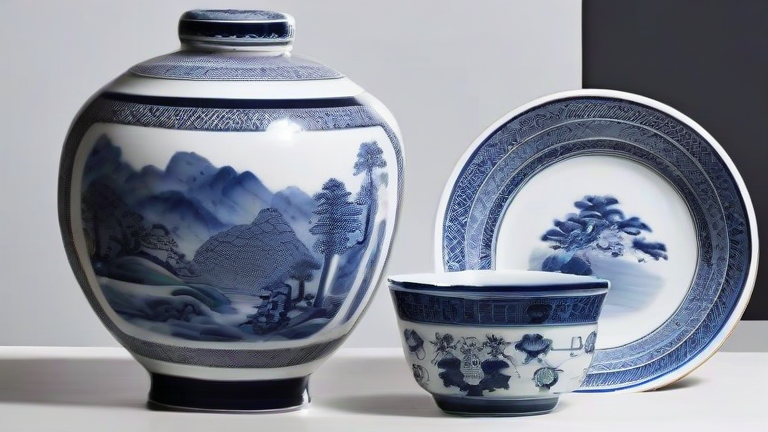
Porcelain History: 10 Fascinating Facts & Cultural Insights
TL;DR: Porcelain originated in China during the Han Dynasty, remaining a closely guarded state secret for over a thousand years before European artisans successfully replicated the recipe. Its journey from imperial luxury to global trade commodity fundamentally shaped international commerce, artistic exchange, and the modern concept of fine dining.
When we hold a delicate teacup or admire a museum display, we are interacting with one of history’s most significant cultural artifacts. Porcelain is more than just a material; it is a timeline of human ingenuity, trade routes, and aesthetic evolution. Understanding its history offers a unique lens into how cultures have communicated value, status, and beauty across millennia. Here are ten fascinating facts that reveal the depth of this white gold.
If you want to dig deeper, check out our guide on Porcelain History & Culture: A Deep Dive into Ceramic Tech.
The Secret of the East
1. **Imperial Monopoly:** For centuries, porcelain was strictly controlled by the Chinese emperor. Unauthorized production was punishable by death, ensuring it remained a symbol of supreme authority. 2. **Kaolin Discovery:** The key to porcelain’s durability is kaolin, a specific type of white clay found in Jingdezhen, China. This location became the “Porcelain Capital” of the world. 3. **European Obsession:** In Europe, porcelain was so valuable that it was often more expensive than gold. Kings and queens kept their porcelain collections in locked cabinets, accessible only to the highest nobility.
Breaking the Code
4. **The Meissen Breakthrough:** In 1709, German alchemist Johann Friedrich Böttger accidentally discovered the formula for hard-paste porcelain while trying to create gold. This established Meissen, the first European porcelain manufactory, breaking the Chinese monopoly. 5. **The Royal Arms:** To protect their new invention, Meissen used the blue crossed swords logo, which remains one of the oldest trademarks in the world. 6. **Imperial France:** France followed with Sèvres, established by King Louis XV. Sèvres porcelain is distinct for its soft-paste technique and elegant, pastel-colored floral patterns that defined 18th-century taste.
Global Trade and Artistry
7. **The Dutch Twist:** The Dutch East India Company (VOC) was instrumental in transporting millions of Chinese plates to Europe. The high demand led to “Delftware,” a tin-glazed earthenware that mimicked Chinese blue-and-white designs when true porcelain was too expensive for the average citizen. 8. **Jingdezhen’s Legacy:** Today, Jingdezhen still produces over half of the world’s ceramic tiles and a significant portion of its tableware. The city’s kilns have been burning continuously for over a thousand years. 9. **Symbolism in Design:** Chinese porcelain designs often carried deep symbolic meanings. The “thousand-year life” symbol, for example, was used to wish longevity to the recipient, turning a simple plate into a diplomatic gift. 10. **Modern Resilience:** Despite the rise of plastic and glass, porcelain remains the gold standard for high-end dining and art. Its thermal stability and non-porous surface make it superior for preserving food temperature and preventing bacterial growth.
Exploring porcelain history reveals a fascinating narrative of cultural exchange. It reminds us that even the simplest objects on our tables can carry the weight of centuries of history. Whether you are a collector, a chef, or a history buff, appreciating the craftsmanship behind porcelain adds a layer of depth to your daily life. Next time you use a fine china set, pause to consider the journey it has taken from ancient Chinese mines to your modern kitchen.
FAQ
Q: What is the main difference between ceramic and porcelain?
A: Porcelain is a type of ceramic that is fired at much higher temperatures, making it denser, more translucent, and harder than standard earthenware or stoneware.
Q: Why is Chinese porcelain called “white gold”?
A: It is called white gold because, for centuries, it was more
Leave a Reply