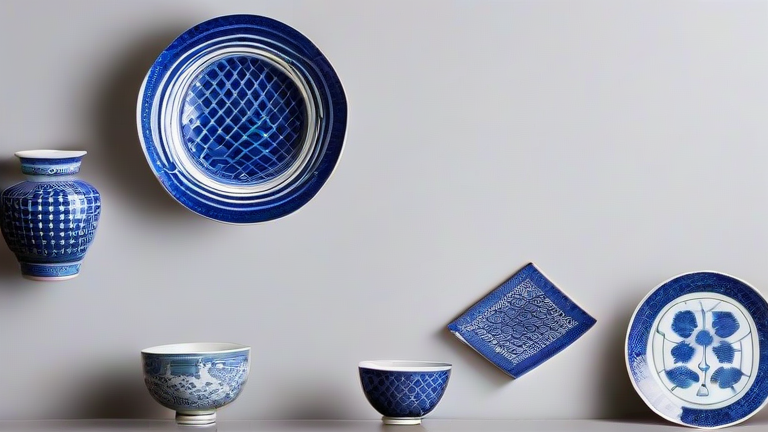
TL;DR: China’s porcelain industry is undergoing a digital revolution, integrating AI-driven kiln controls and nanotechnology to preserve ancient royal aesthetic standards while enhancing durability. These technological secrets bridge the gap between historical craftsmanship and modern industrial efficiency, redefining global luxury ceramic markets.
The Digital Resurrection of Imperial Kilns
For centuries, the secrets of Jingdezhen’s imperial kilns were guarded by master artisans, passed down through oral tradition and tacit knowledge. Today, the narrative of China’s royal craft is being rewritten by data science and advanced materials engineering. The latest developments in “Smart Kiln” technology utilize IoT sensors to monitor micro-atmospheric conditions in real-time. By analyzing over a million data points regarding temperature gradients, humidity, and oxidation levels, modern systems can replicate the precise firing environments of the Ming and Qing dynasties. This ensures that the distinctive “ice-like” transparency and resonant ring of imperial porcelain are no longer subjects to artisanal guesswork but are reproducible industrial specifications.
If you want to dig deeper, check out our guide on Porcelain History: A Deep Dive into Culture, Art, and Value.
Nanotechnology and the Reinvention of Glaze
One of the most significant tech secrets behind the revival of royal aesthetics is the application of nanotechnology in glaze formulation. Traditional glazes often suffered from micro-cracking and uneven color distribution due to thermal shock during cooling. Recent industry breakthroughs involve embedding nano-silica particles into the glaze matrix. This innovation enhances the thermal shock resistance of the porcelain body by up to 40%, while allowing for deeper, more vibrant color saturation that rivals the legendary “Blue on White” designs. Furthermore, these nano-coatings provide a self-cleaning property, repelling stains and oils, which is particularly impactful for high-end dining ware and decorative art pieces intended for public display. The specs for these new formulations indicate a Mohs hardness increase, making the products more resistant to daily wear without sacrificing the delicate tactile feel that defines luxury ceramics.
AI-Driven Design and Cultural Preservation
The intersection of artificial intelligence and cultural heritage has given rise to “Generative Porcelain” design platforms. These tools analyze vast archives of historical imperial patterns, identifying subtle geometric variations that were previously undocumented. AI algorithms can now generate new patterns that are stylistically consistent with specific dynasties, allowing designers to create contemporary pieces that honor historical integrity. This technology has significantly impacted the industry by reducing the time required for pattern development from months to days. Moreover, 3D scanning technology is being used to digitize rare royal artifacts, creating high-fidelity digital twins that can be used for educational purposes and virtual exhibitions. This digital preservation ensures that the cultural significance of these crafts is maintained even as physical production methods evolve.
Industry Impact and Global Market Shifts
The integration of these technologies has transformed the Chinese porcelain industry from a labor-intensive craft sector into a high-tech manufacturing powerhouse. The industry impact is evident in the surge of export values for “tech-enhanced” cultural products. International buyers are increasingly seeking products that combine traditional aesthetics with modern functionality, such as microwave-safe imperial-style tea sets and lead-free glazes. This shift has forced global competitors to adapt, leading to a new era of cross-cultural collaboration in ceramic design. The focus is no longer just on mass production, but on creating high-value, culturally resonant products that leverage technology to tell the story of China’s royal heritage. As the sector continues to evolve, the line between ancient art and modern engineering will blur, creating a new category of luxury goods defined by both historical depth and technological precision.
FAQ
Q: How does AI improve the authenticity of modern imperial porcelain?
A: AI analyzes historical patterns to generate new designs that strictly adhere to specific dynastic stylistic rules, ensuring cultural authenticity while allowing for modern creativity.
Q: What is the primary benefit of using nanotechnology in glazes?
A: Nanotechnology enhances thermal shock resistance and color saturation, making the porcelain more durable while achieving the vibrant, deep hues characteristic of royal wares.
Q: Does digital production reduce the cultural value of the craft?
A: No, it enhances value
Leave a Reply