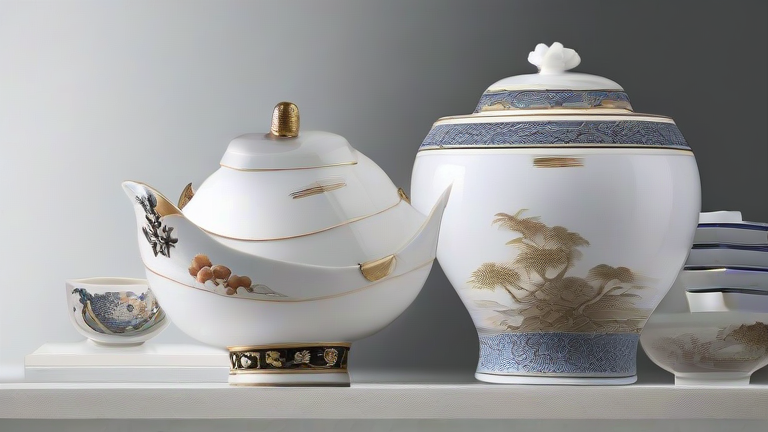
TL;DR: Chinese porcelain, known as “white gold,” represents a millennium of technological mastery that transformed raw clay into a global luxury commodity. Its history is deeply intertwined with cultural diplomacy, trade economics, and artistic evolution, making it far more than just a vessel for tea.
The Birth of White Gold
Porcelain originated in China during the Han dynasty, but it was not until the Tang and Song dynasties that the technology matured into the delicate, translucent material we recognize today. Unlike ceramic, which is porous, true porcelain is vitrified, meaning it is non-porous and resonant when struck. This distinction was not merely technical; it was cultural. The white body of the porcelain allowed for intricate blue-and-white decoration, a style that would eventually dominate global taste. The secrecy surrounding the specific kaolin clay deposits in Jingdezhen, often called the “Porcelain Capital,” was state-guarded for centuries, ensuring China’s monopoly on this valuable export.
If you want to dig deeper, check out our guide on Porcelain History: 10 Fascinating Facts & Cultural Secrets.
Trade and Cultural Exchange
The demand for porcelain in Europe was so intense that it drove the creation of new artistic movements. European artisans attempted to replicate the material for decades, leading to the development of bone china in England. However, the cultural impact of Chinese porcelain extended beyond aesthetics. It influenced the design of European architecture, fashion, and even language. The term “porcelain” itself derives from the Portuguese word porcellana, meaning seashell, reflecting the material’s pearlescent quality. This exchange was not one-way; Chinese potters adopted Western techniques and motifs, such as the famille rose palette, which used cobalt and manganese oxides imported from abroad. This cross-pollination demonstrates how a simple object can serve as a bridge between civilizations, fostering dialogue through art and commerce.
Personal Growth Through Appreciation
Engaging with porcelain history offers a unique path to personal growth. Appreciating the craftsmanship required to throw a perfect bowl or fire a kiln at precise temperatures teaches patience and respect for skill. In a modern world of mass production, holding a piece of authentic Chinese porcelain connects you to a lineage of artisans who perfected their craft over generations. It encourages mindfulness, inviting you to slow down and observe the subtle variations in glaze and form. By studying the cultural secrets behind these artifacts, you gain a deeper understanding of global interconnectedness. Each piece tells a story of resilience, innovation, and beauty, reminding us that culture is not static but a living, breathing entity that evolves with every touch and trade.
FAQ
Q: What makes Chinese porcelain different from standard ceramic?
A: Chinese porcelain is made from kaolin clay and fired at much higher temperatures, resulting in a non-porous, translucent, and resonant material that is harder and more durable than standard ceramic.
Q: Why is porcelain referred to as “white gold”?
A: The term highlights its immense economic value during the height of the Silk Road and maritime trades, as its scarcity and beauty made it as desirable and valuable as precious metals in many markets.
Q: How did porcelain influence European culture?
A: Porcelain inspired the creation of new artistic styles, drove technological innovation in European kilns, and influenced fashion and interior design, leading to a craze for imitating Chinese aesthetics in the 18th century.
Leave a Reply