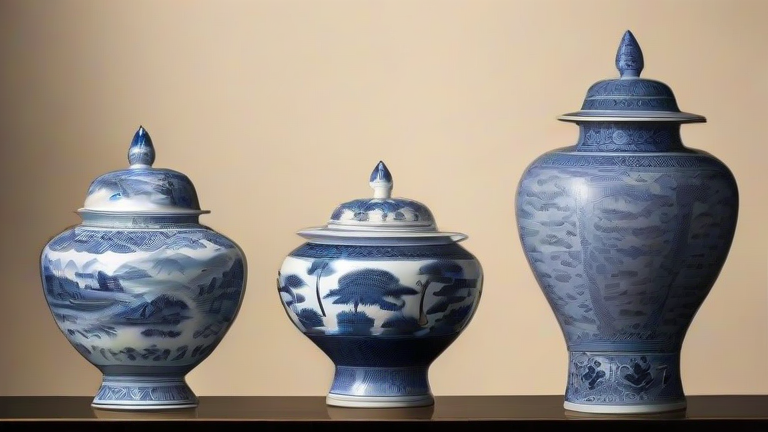
TL;DR: Porcelain originated in China and was guarded as a state secret for centuries, symbolizing purity and status. Its global dissemination through the Silk Road and European imitation attempts reshaped culinary customs, artistic expression, and international trade dynamics.
The Silent Language of White Gold
Before you sip your morning coffee from a delicate cup, consider the profound journey that object has taken. Porcelain is not merely a material; it is a tangible link to ancient civilizations, imperial ambition, and the intricate web of global commerce. Understanding its history reveals how a simple white ceramic transformed human lifestyles, from the dining tables of emperors to the kitchens of everyday families.
If you want to dig deeper, check out our guide on Porcelain History & Culture: A Complete Guide.
1. The Secret of the Dragon
For nearly a thousand years, the recipe for true porcelain was a closely guarded state secret in China. Known as “white gold,” it was so valuable that it was used to pay taxes and settle diplomatic disputes. The specific clay, kaolin, found in the Jingdezhen region, combined with quartz and feldspar, created a material that was translucent and incredibly durable. This secrecy meant that for centuries, the West could only admire, not replicate, the perfect white surface that became the ultimate symbol of refinement and wealth.
2. The European Obsession
When porcelain finally reached Europe in the late sixteenth century, it triggered a cultural frenzy. Kings and queens developed “porcelain manias,” hoarding pieces and commissioning elaborate services. This demand drove the rise of the Dutch East India Company and sparked a race for scientific breakthroughs. The German alchemist Johann Friedrich Böttger’s successful creation of hard-paste porcelain in 1709 marked a turning point, leading to the establishment of Meissen, the first European porcelain factory. This event decentralized production and eventually made porcelain accessible to the middle class, not just the aristocracy.
3. Culinary Revolution
Prior to porcelain, food was often served on wood, metal, or earthenware, which could impart unwanted flavors or react with acidic ingredients. Porcelain’s chemical inertness and smooth surface allowed for the presentation of delicate sauces and the preservation of food’s natural taste. This material shift influenced cooking techniques and plating aesthetics, encouraging more elaborate culinary presentations that defined high cuisine in Europe and Asia. The aesthetic appeal of white porcelain also changed how we perceive color and contrast in food, making vibrant dishes pop against neutral backgrounds.
4. Artistic Canvas
Porcelain served as a premier canvas for artistic expression. Chinese blue-and-white designs, featuring dragons and landscapes, influenced European artists like Jean-Baptiste Boucher and François Boucher. Conversely, European motifs began appearing on Asian wares, creating a unique hybrid style. This cross-cultural pollination demonstrates how porcelain acted as a medium for diplomatic exchange and artistic dialogue, blending Eastern philosophy with Western realism. Collecting these pieces became a status symbol, reflecting not just wealth but also cultural sophistication and global awareness.
5. Modern Sustainability
In the context of personal growth and lifestyle, appreciating porcelain encourages mindfulness and sustainability. Unlike plastic, porcelain is non-toxic and infinitely recyclable. Owning high-quality porcelain items fosters a “buy less, buy better” mentality, reducing waste and encouraging long-term use. This shift towards durable, beautiful objects aligns with modern values of minimalism and environmental responsibility, turning daily rituals like tea time into moments of mindful appreciation.
FAQ
Q: What makes porcelain different from ceramic?
A: Porcelain is fired at higher temperatures and contains kaolin clay, making it denser, whiter, and more translucent than standard ceramic.
Q: Is vintage porcelain safe to use for food?
A: Generally, yes, but avoid using pieces with lead glazes or significant cracks, as these can leach toxic materials into food.
Q: How should I care for my porcelain collection?
A: Hand wash items gently with mild soap, avoid abrasive scrubbers, and
Leave a Reply