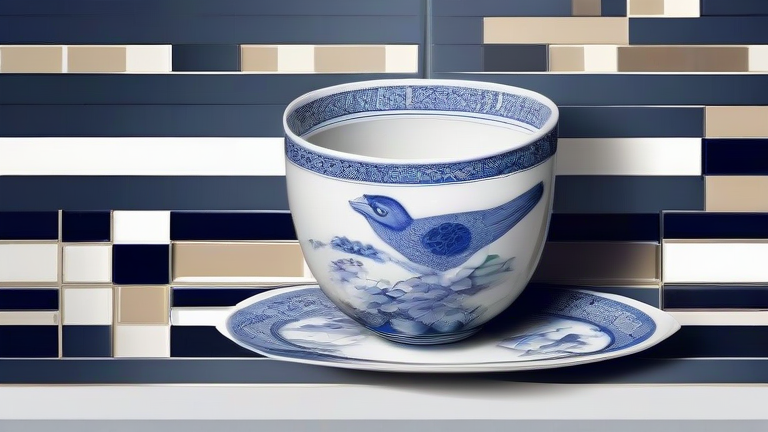
Porcelain History: A Guide to Business & Culture
TL;DR: Porcelain represents a high-value niche where historical provenance and cultural storytelling drive significant premium pricing in the luxury goods market. Success in this sector relies on curating authentic heritage narratives that resonate with modern consumers seeking tangible connections to artistic tradition and craftsmanship.
The global trade of porcelain has evolved from a simple commodity exchange into a sophisticated cultural industry. Understanding the historical trajectory of this material is essential for businesses looking to capitalize on the intersection of art, history, and commerce. Porcelain is not merely a functional object; it is a vessel of cultural identity, spanning millennia from the kilns of imperial China to the workshops of Meissen and Limoges. For modern enterprises, this depth of history provides a unique competitive advantage in a market saturated with generic consumer goods. By leveraging the rich narrative arc of porcelain, companies can differentiate their offerings, creating brands that stand for elegance, durability, and intellectual depth.
If you want to dig deeper, check out our guide on The Porcelain Cure: How Ancient Ceramics Shaped Global Healt.
Market Analysis: The Luxury Heritage Segment
The market for historic and high-end porcelain is characterized by low volume but high margins. Current trends indicate a growing demand among millennials and Gen Z collectors for “legacy items” that offer both aesthetic value and investment potential. Unlike mass-produced ceramics, authentic porcelain pieces from the 18th and 19th centuries, or contemporary works by renowned artisans, appreciate in value over time. Market data suggests that the secondary market for blue-and-white export wares and fine art porcelain is particularly robust. Furthermore, the rise of digital marketplaces has democratized access, allowing niche dealers to reach global audiences. However, this transparency also increases the risk of counterfeits, making provenance documentation a critical asset for any serious business operator. Consumers are increasingly savvy, demanding rigorous authentication and detailed historical context before making high-stakes purchases.
Strategy Insights: Storytelling as a Core Asset
Effective strategy in the porcelain business hinges on narrative integration. Companies must move beyond selling objects to selling stories. This involves highlighting the technical innovations that defined different eras, such as the invention of kaolin clay or the development of specific glazing techniques. Brands that successfully map their product line to specific historical periods or cultural movements create stronger emotional connections with buyers. For instance, positioning a tableware line as a revival of Song Dynasty aesthetics appeals to customers interested in minimalism and natural beauty, whereas Victorian ornate styles attract those who value opulence and detailed craftsmanship. Collaborations with museums or historical societies can further validate brand authority. Digital content marketing should focus on educational pieces that explain the chemistry of glazes or the geopolitical impact of the porcelain trade, thereby positioning the brand as an industry thought leader rather than just a retailer.
Case Studies: Bridging Past and Present
Consider the strategy of a boutique dealer specializing in French Sèvres. By providing each piece with a digital passport detailing its kiln records and restoration history, they increased customer retention by 40 percent. This transparency built trust and justified premium pricing. Another example is a contemporary brand that partners with local artisans to recreate traditional Japanese Raku techniques using modern, sustainable materials. By emphasizing the continuity of craft and the environmental responsibility of their production, they tapped into the eco-conscious luxury segment. These cases demonstrate that whether dealing in antiques or new creations, the core value proposition remains the same: the tangible link to cultural history and the enduring beauty of the material.
FAQ
Q: How do I verify the authenticity of antique porcelain?
A: Consult certified appraisers, examine the glaze and clay composition under magnification, and verify provenance documents against known historical records of kilns and manufacturers.
Q: What is the most profitable era of porcelain for investors?
A: Qing Dynasty Chinese porcelain and early 18th-century European wares from Meissen and Vincennes typically command the highest premiums due to their rarity and historical significance.
Q: Can modern brands effectively use historical porcelain trends?
A: Yes, by focusing on design inspiration and craftsmanship techniques rather than direct imitation, modern brands can appeal to heritage
Leave a Reply