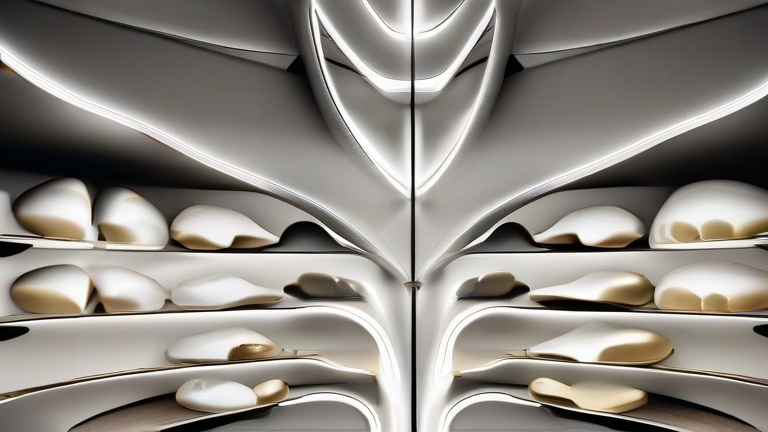
TL;DR: Porcelain, often called “White Gold,” is not just a material but a living archive of human civilization, tracing its evolution from Chinese imperial kilns to global trade revolutions. This article unpacks the cultural DNA embedded in every teacup and vase, showing why collecting porcelain is a journey through time, not just decor.
Why Porcelain Is More Than a Pretty Plate
When you hold a piece of fine porcelain, you’re gripping a fragment of history that survived dynasties, shipwrecks, and the whims of emperors. The story begins in 7th-century China, where craftsmen in Jingdezhen perfected a blend of kaolin and petuntse, firing it at 1,300°C to create a translucent, ringing material the West had never seen. This was not mere pottery—it was technology, status, and diplomacy. The Silk Road carried these fragile treasures westward, and by the 16th century, European aristocrats were paying their weight in gold for a single blue-and-white bowl. Today, that cultural weight remains: owning a piece of porcelain is like holding a passport to the Tang, Ming, or Qing court, where every dragon motif and cobalt brushstroke carried coded meanings of power, longevity, and cosmic order.
If you want to dig deeper, check out our guide on Porcelain History & Culture: A Complete Beginner’s Guide.
Feature Highlights: What Makes Collectible Porcelain Exceptional
First, look for paste quality—true porcelain is vitrified, meaning it’s glass-like and non-porous, unlike earthenware. Second, examine the underglaze cobalt technique: genuine Ming-era blue-and-white has a deep, slightly blurred blue that sinks into the glaze, not painted on top. Third, consider the foot rim—imperial pieces often have a fine, unglazed ring, burnt orange in color, a signature of high-temperature firing. Fourth, cultural motifs matter: a phoenix means rebirth, a dragon denotes imperial authority, and a lotus signifies purity. Modern reproductions from Japan or Germany (like Meissen) are beautiful but carry different cultural DNA—Meissen’s crossed swords are a European reinterpretation of Chinese blue-and-white, a testament to centuries of imitation and innovation.
Comparisons: Antique vs. Modern vs. Fusion
Antique Chinese porcelain (pre-1900) offers historical authenticity but requires deep pockets and expert authentication—a single Ming stem cup can exceed $30,000. Modern Chinese studio porcelain (e.g., from contemporary Jingdezhen artists) offers the same clay and techniques at 5–10% of the price, with contemporary designs that speak to today’s aesthetics. Japanese porcelain like Imari or Kutani is heavier and more colorful, reflecting a different aesthetic philosophy—bold, asymmetrical, and tied to tea ceremony ritual. European porcelain (Meissen, Limoges, Wedgewood) prioritizes sculptural detail and soft pastels, often depicting pastoral scenes that reflect Enlightenment-era romanticism. For the cultural purist, nothing beats Chinese imperial lineage; for the practical collector, a fusion piece—e.g., a traditional blue-and-white pattern on a modern mug—brings history into daily use without museum-case anxiety.
Call to Action: Start Your Own Cultural Archive
Don’t just buy porcelain—read it. Begin with a single piece: a 20th-century Chinese export plate or a vintage Japanese sake cup. Study its foot, glaze, and motif. Visit a museum or a reputable online auction platform’s archive to compare. Then, invest in a book on Chinese ceramic history (e.g., “The World of Blue and White” by John Carswell) to decode the symbolism. Your first piece doesn’t need to be expensive—it needs to be meaningful. Join a collector’s forum, ask about provenance, and share your findings. The culture of “White Gold” is not passive; it demands you engage, question, and preserve. Start today, and in a decade, your shelf will be a timeline of human ingenuity.
FAQ
Q: How can I tell if a piece of porcelain is genuinely old
Leave a Reply