TL;DR: This guide explores seven essential historical and cultural facts that define porcelain’s value for serious collectors. Understanding these nuances helps you distinguish authentic antiques from modern reproductions and enhances your appreciation of the art form’s global impact.
The Allure of Porcelain: A Collector’s Guide
Porcelain is not merely a material; it is a testament to human ingenuity, cultural exchange, and aesthetic evolution. For centuries, it has been a symbol of status and sophistication, commanding high prices in the auction houses and private collections of the world. However, navigating the market requires more than just an eye for beauty. It demands a deep understanding of history, provenance, and manufacturing techniques. This article serves as a foundational resource for both novice and seasoned collectors, highlighting key facts that significantly influence valuation and desirability. By mastering these seven points, you will gain the confidence to make informed decisions and appreciate the intricate stories behind each piece.
If you want to dig deeper, check out our guide on Porcelain History: How Ancient Craft Shapes Modern Lifestyle.
Feature Highlights: Essential Historical Facts
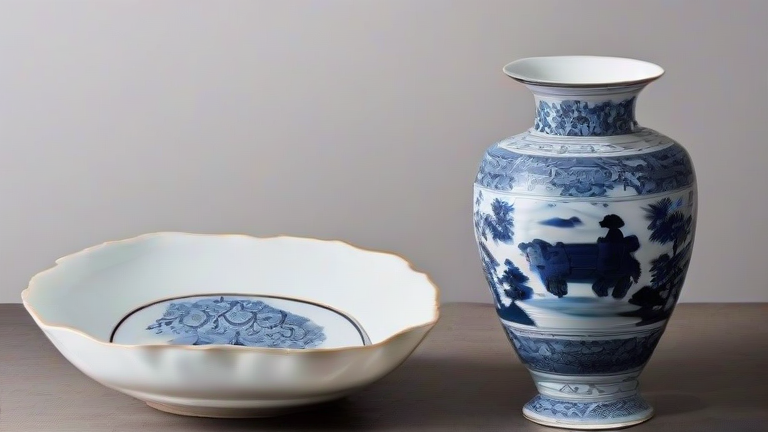
The first key fact centers on the mystery of its origin. Porcelain was exclusively produced in China for over a thousand years, with its secret recipe guarded by imperial decree. This exclusivity fueled a massive global demand, leading to the development of sophisticated trade routes. The second fact highlights the significance of the “Blue and White” tradition. While many colors exist, the cobalt blue glaze remains the most iconic, symbolizing purity and tranquility in Chinese culture. Collectors should look for specific brushwork styles that indicate the Ming or Qing dynasties, as these periods represent the zenith of artistic skill.
The third fact addresses the European replication efforts. When Dutch traders brought the first pieces to Europe in the 17th century, the desire to replicate the material led to decades of failed experiments. The breakthrough finally came in Meissen, Germany, in 1710, marking the birth of European hard-paste porcelain. This distinction is crucial for collectors, as Meissen pieces are often valued differently from Chinese originals due to their different cultural contexts and firing temperatures. The fourth fact involves the “Sèvres” innovation. The French factory in Sèvres introduced a softer, more delicate paste that became the standard for high-end tableware. Understanding the difference between hard-paste and soft-paste porcelain is vital for authentication, as the physical properties and sound when tapped vary significantly between the two types.
The fifth fact concerns the role of imperial patronage. In China, the Jingdezhen kilns were under direct imperial control, producing wares exclusively for the court. These pieces, known as “Imperial Porcelain,” are the most valuable items in any collection. The sixth fact explores the cultural symbolism embedded in the designs. Motifs such as dragons, phoenixes, and lotus flowers are not decorative; they carry profound meanings related to power, longevity, and purity. A collector who understands these symbols can better interpret the narrative behind a piece. Finally, the seventh fact emphasizes the importance of condition. Porcelain is fragile, and even minor hairlines or repairs can drastically reduce value. However, “old repair” techniques, if done well, can sometimes enhance the historical narrative of a piece.
Comparisons: Chinese vs. European Styles
When comparing Chinese and European porcelain, the primary differences lie in form and function. Chinese pieces often feature organic, sculptural forms inspired by nature, whereas European wares, particularly those from Sèvres and Meissen, tend to favor geometric precision and elaborate gilding. The glaze on Chinese porcelain is typically thinner and more translucent, allowing the white body to shine through. In contrast, European glazes are often thicker and more opaque. This difference in material composition affects how light interacts with the surface, creating distinct visual experiences. Collectors should note that while Chinese porcelain is prized for its purity and minimalism, European pieces are often celebrated for their opulence and technical complexity. Both traditions offer unique insights into the artistic sensibilities of their respective cultures, making them complementary rather than competitive in a well-rounded collection.
Call to Action
Are you ready to deepen your understanding of porcelain history? Start by examining your own collection or visiting a local museum to observe these historical
Leave a Reply