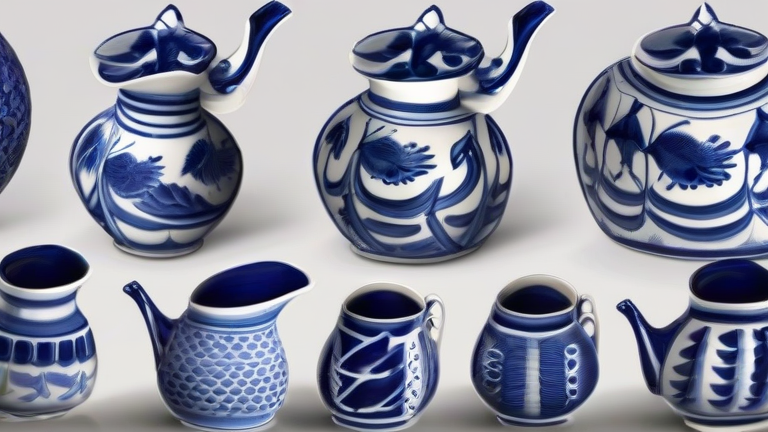
TL;DR: Explore the ancient origins of porcelain from China’s imperial kilns to its global cultural impact. Learn how to identify authentic pieces and appreciate the craftsmanship behind this iconic material.
Understanding the Origins
Begin your journey by understanding that true porcelain, or “china,” originated in China during the Han Dynasty, though it was perfected during the Tang and Song dynasties. Unlike earthenware or stoneware, porcelain is made from kaolin clay and petuntite, fired at extremely high temperatures to achieve its distinctive white, translucent, and glassy finish. To start your study, visit a local museum’s Asian art section. Look for early Tang tri-color pieces or Song celadons to see the evolution of form and glaze. Focus on the shape and weight; genuine high-fired porcelain is often lighter and thinner than its lower-fired counterparts. This initial step grounds you in the historical context that defines the material’s prestige across centuries.
If you want to dig deeper, check out our guide on From China to Europe: The Tech Behind Porcelain’s History.
Tracing the Global Trade Routes
Next, examine how porcelain traveled the Silk Road and maritime trade routes to Europe, the Middle East, and Japan. The demand for Chinese porcelain in Europe was so high that it sparked the “China Craze” in the 17th century, leading to the development of Delftware in the Netherlands and Meissen in Germany. To engage with this history, research specific trade periods. For instance, the Dutch East India Company’s records detail the massive volume of blue-and-white porcelain shipped to Amsterdam. Understanding these trade dynamics helps you appreciate why porcelain became a symbol of wealth and diplomatic power. Look for “export wares” in auction catalogs; these pieces often feature designs tailored to European tastes, such as floral motifs or scenes from the Bible, demonstrating a fascinating cultural exchange.
Identifying Authenticity and Quality
To develop a critical eye, learn to identify authentic porcelain. Hold the piece up to a light source; true porcelain is slightly translucent at the edges. Tap the piece gently; it should produce a clear, ringing tone rather than a dull thud. Check the base for marks. Chinese porcelain often features reign marks, such as “Kangxi” or “Qianlong,” though these can be forged. European pieces, like Meissen or Sèvres, have distinct factory stamps. Be wary of over-restored pieces or those with heavy, artificial patina. Always consult reputable guides or experts before making a significant purchase. This step ensures that your collection or understanding is built on genuine artifacts rather than reproductions.
Appreciating Cultural Symbolism
Finally, delve into the cultural symbolism embedded in porcelain designs. In China, dragons represent imperial power, while lotus flowers symbolize purity and enlightenment. In Japan, the aesthetic of “wabi-sabi” influences the appreciation of imperfection and asymmetry in ceramic forms. To deepen your appreciation, study the iconography of different dynasties and regions. For example, the “Five Phoenixes” design was reserved for the imperial family. Understanding these symbols transforms a simple object into a narrative artifact. Engage with contemporary artists who reinterpret traditional porcelain techniques to explore modern cultural identities. This holistic approach allows you to view porcelain not just as a commodity, but as a rich tapestry of human history, art, and technology.
FAQ
Q: What is the main difference between porcelain and stoneware?
A: Porcelain is made from kaolin and fired at higher temperatures, making it whiter, more translucent, and thinner than stoneware.
Q: Why was blue-and-white porcelain so popular in Europe?
A: It was highly sought after for its elegance and durability, and European potters struggled to replicate its specific glaze and firing techniques.
Q: How should I clean antique porcelain safely?
A: Use a soft, dry cloth for dusting and avoid water or chemicals, as these can damage glazes and historical patinas.
Leave a Reply