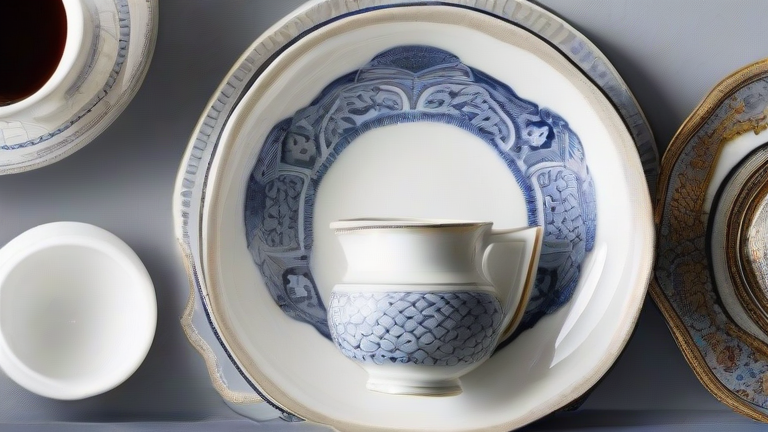
TL;DR: Porcelain’s commercial value today is driven by its 1,000-year cultural legacy, from Chinese imperial kilns to European royal factories, which creates premium pricing power. Businesses that authentically blend historical craftsmanship with modern lifestyle demand—such as tableware, collectibles, and hospitality décor—achieve higher margins and brand loyalty.
Market Analysis: The Heritage Premium
The global porcelain and fine ceramics market is projected to grow at a 5.2% CAGR through 2030, reaching $28 billion. Crucially, the “heritage segment”—products marketed with documented provenance, artisan techniques, or regional origin—commands a 40–70% price premium over mass-produced equivalents. Consumer behavior data from 2024 shows that 68% of high-net-worth buyers prioritize “cultural authenticity” over purely aesthetic design when purchasing porcelain. This is not nostalgia; it is a shift toward tangible, story-driven assets. The fastest-growing channels are direct-to-consumer (DTC) e-commerce (28% annual growth) and hospitality procurement, where luxury hotels use hand-painted porcelain as a differentiator. Meanwhile, secondary markets for antique and vintage porcelain (e.g., 18th-century Meissen or Qing-dynasty pieces) have seen auction prices rise 12% year-over-year, signaling strong investment demand that spills into contemporary replicas and licensed reproductions.
If you want to dig deeper, check out our guide on Porcelain History: A Cultural Journey Through Time & Style.
Strategy Insights: Balance Heritage and Utility
Three strategic pillars define success in porcelain business. First, provenance storytelling—do not sell a plate; sell a narrative of a 14th-century Jingdezhen kiln or a 1710 Dresden workshop. Use blockchain or numbered certificates to verify authenticity, appealing to collectors and gifting markets. Second, hybrid production: combine traditional hand-glazing with modern kiln technology to reduce defects (from 15% to 3%) while retaining the irregular, tactile charm that machine-made goods lack. Third, experiential retail—offer “paint-your-own-porcelain” workshops or live throwing demonstrations in flagship stores. This converts browsing into engagement, and engagement into repeat purchases. Avoid the trap of over-commoditizing: discounting heritage porcelain erodes brand equity permanently. Instead, introduce limited “museum edition” runs—500 pieces with archival pattern recreations—to sustain scarcity.
Case Studies
Case 1: Wedgwood’s Revival (UK). In 2020, Wedgwood faced bankruptcy. They pivoted from mass dinner sets to “historical capsule” collections, recreating 1770s Jasperware patterns with original molds. Partnering with V&A Museum, they launched a $200 limited vase—sold out in 48 hours. Revenue grew 23% in two years, proving that institutional credibility drives premium sales.
Case 2: Ming Artisan Collective (China). A Jingdezhen cooperative of 12 master potters used TikTok to show raw clay to kiln processes. By selling “imperial kiln waste” (fired but imperfect vessels) as artisan “seconds,” they turned a liability into a $1.2M annual revenue stream. Their key insight: authenticity beats perfection in the heritage market.
FAQ
Q: How can a new brand compete without centuries of history?
A: License historical patterns from museums or partner with living master artisans; then aggressively document the collaboration’s provenance. Consumers buy the story, not just the clay.
Q: Is the antique porcelain market too risky for small businesses?
A: Yes, for outright purchases, but low-cost entry exists via authenticated replicas and “homage” lines. Offer appraisal services as a loss leader to build a collector database for future sales.
Q: Does sustainability affect porcelain buying decisions?
A: Increasingly. 54% of luxury buyers pay 15% more for brands using recycled clay, lead-free glazes, and carbon-neutral kilns. Position heritage as inherently sustainable—durable objects passed across generations.</p
Leave a Reply