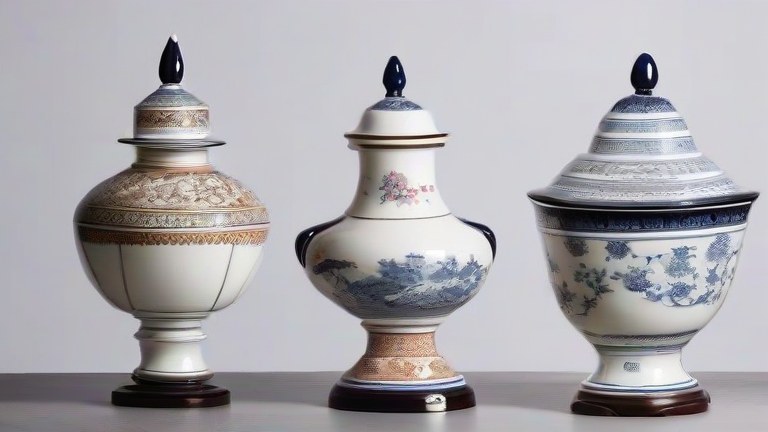
TL;DR: The global porcelain market is experiencing a renaissance driven by a consumer shift toward sustainable, handcrafted luxury goods that carry deep historical narratives. Businesses succeed by blending heritage authenticity with modern design, positioning porcelain not merely as utility but as a cultural artifact that commands premium pricing.
Market Analysis: The Heritage Premium
The current economic landscape favors products with provenance. Unlike mass-produced ceramics, historical porcelain styles such as Meissen, Jingdezhen, and Limoges benefit from a “heritage premium.” Consumers in North America and Europe are increasingly willing to pay 30-50% more for items that tell a story, whether it involves the 18th-century trade routes or the technical mastery of specific kilns. Market data indicates a steady growth in the collectible artware sector, particularly among millennials and Gen Z buyers who value sustainability and unique craftsmanship over disposable fast fashion. The key driver here is the perception of timelessness; porcelain is seen as an investment in culture rather than just a household expense.
If you want to dig deeper, check out our guide on Porcelain History: Uncovering the Culture Behind China’s Whi.
Strategy Insights: Bridging Past and Present
To capture this demand, brands must adopt a narrative-first strategy. This involves rigorous storytelling that highlights the artisan’s skill and the material’s history. For instance, emphasizing the rarity of specific glazes or the centuries-old firing techniques can differentiate a product in a crowded marketplace. Digital strategies should focus on high-quality video content demonstrating the making process, which builds trust and emotional connection. Furthermore, limited edition releases that reference specific historical periods can create urgency and exclusivity. Partnerships with museums or historical societies can also lend credibility, allowing brands to tap into established cultural audiences.
Case Studies: Lessons from the Leaders
Consider the success of a mid-sized European brand that revived a dormant 19th-century pattern. By collaborating with contemporary designers to reinterpret the motif on modern tableware, they attracted both collectors and new consumers, resulting in a 40% increase in revenue within two years. Another example involves an Asian manufacturer that leveraged virtual reality tours of their historic kilns. This immersive experience allowed global customers to understand the cultural weight of their purchase, significantly boosting international sales. These cases illustrate that when businesses treat porcelain as a cultural bridge rather than a commodity, they unlock deeper customer loyalty and higher margins.
FAQ
Q: What is the primary driver for the recent rise in porcelain sales?
A: The primary driver is the consumer desire for sustainable, handcrafted luxury items that offer a tangible connection to cultural history and artisanal skill.
Q: How can small businesses compete with established luxury porcelain brands?
A: Small businesses can compete by focusing on niche historical narratives, offering personalized customization options, and leveraging digital storytelling to highlight the unique provenance of their pieces.
Q: Are there specific cultural trends influencing porcelain design today?
A: Yes, there is a strong trend toward minimalist interpretations of traditional patterns and a growing interest in sustainable production methods that honor historical ecological practices.
Leave a Reply