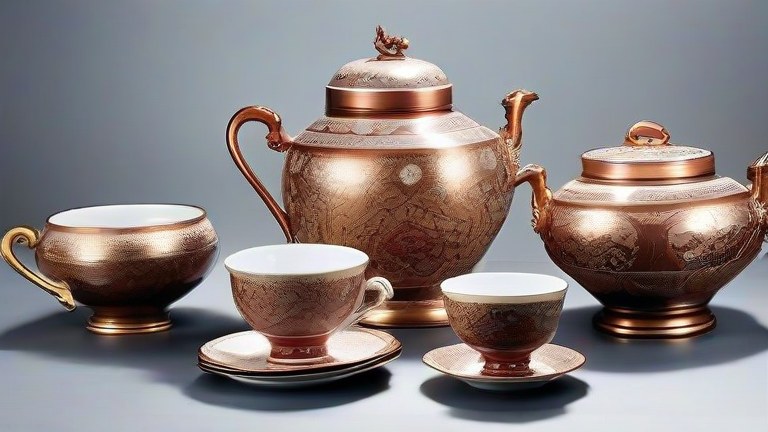
TL;DR: Porcelain originated in China over a thousand years ago, evolving from a secret imperial commodity into a global symbol of artistic refinement and cultural exchange. Understanding its history involves exploring the technical mastery of high-temperature firing, the aesthetic evolution from Ming to Qing dynasties, and its profound influence on European ceramic traditions.
Understanding the Origins
To begin your journey, recognize that true porcelain is distinct from stoneware or earthenware. It is made from kaolin clay and petuntite, fired at temperatures exceeding 1,200 degrees Celsius. This process creates a body that is white, translucent, and resonant when struck. Start by studying the Tang Dynasty, where early porcelain was produced, but note that it was the Song Dynasty that elevated porcelain to an art form. Focus on the five major kilns of this era, such as the Ru and Guan kilns, which produced wares for the imperial court. These pieces were not merely functional; they were status symbols representing purity and enlightenment. When examining historical texts, look for references to “celadon” glazes, which mimic the color of jade. This cultural preference for jade-like aesthetics is a cornerstone of East Asian ceramic history.
If you want to dig deeper, check out our guide on Porcelain History: 5 Health Myths & Cultural Facts.
Tracking Global Expansion
Next, trace the path of porcelain along the Silk Road and maritime trade routes. By the Ming Dynasty, Chinese porcelain had become a highly sought-after export, influencing art and culture from Japan to Europe. Study the “Blue and White” style, which used cobalt oxide for decoration. This technique was adopted and adapted by other cultures, creating a shared visual language. For beginners, visit a museum collection that features both Chinese originals and European imitations. Compare the brushwork and glaze finishes to understand how different regions interpreted the form. Note how the Dutch and English factories attempted to replicate the Chinese look, leading to the creation of Delftware and later, true European porcelain. This period of imitation and innovation highlights the cultural power of the object. It shows how a material from one region can transform the artistic identity of another.
Exploring Cultural Significance
Delve into the symbolic meanings associated with porcelain. In Chinese culture, the sound of breaking porcelain is considered an omen, but the act of repairing it with gold (Kintsugi in Japan, Jinjige in China) celebrates imperfection and history. Learn about specific motifs, such as the dragon or phoenix, which denote imperial authority, while floral patterns often represent seasonal changes or philosophical concepts. Understand that porcelain was used in tea ceremonies, which were meditative practices focused on harmony and respect. This context is crucial for appreciating the object beyond its visual appeal. It was a vessel for ritual, social interaction, and philosophical reflection. When you collect or study porcelain, consider the narrative behind the piece. Was it made for a wedding, a diplomatic gift, or daily use? Each context adds a layer of meaning to the object.
Practical Tips for Beginners
Use high-quality resources to verify authenticity, as fakes are common. Look for wear patterns, glaze crazing, and maker’s marks. Join online forums or local clubs dedicated to ceramics to share knowledge and view collections. Handle pieces with clean, dry hands to avoid damaging delicate glazes. Store items in acid-free tissue paper to prevent chemical reactions. Finally, remain curious. Porcelain history is not static; it is a living story of innovation, trade, and cross-cultural dialogue that continues to inspire modern artists.
FAQ
Q: What is the main difference between porcelain and ceramic?
A: Porcelain is a specific type of ceramic made from kaolin clay and fired at much higher temperatures, resulting in a harder, whiter, and more translucent material.
Q: Why is Chinese porcelain so historically significant?
A: It was one of the first industrial products to be mass-produced and exported globally, influencing art, trade, and culture across Asia and Europe for centuries.
Q: How can a beginner start a porcelain collection?
A: Start with affordable, well
Leave a Reply