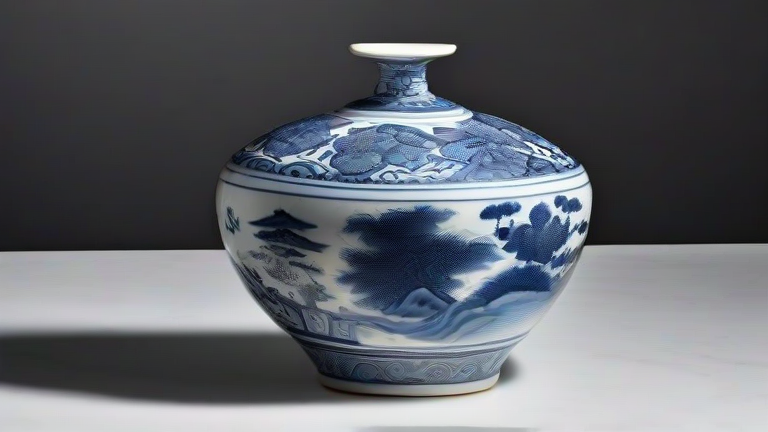
Porcelain History: 7 Centuries of Culture, Art, and Global Trade
TL;DR: Porcelain has evolved from a secret Chinese imperial treasure into a global multi-billion dollar luxury and functional goods market. Its value lies not just in material utility but in its profound cultural heritage, artistic mastery, and complex global supply chains that continue to drive innovation and trade dynamics.
The journey of porcelain is a testament to human ingenuity and the relentless pursuit of beauty. Originating in China over a millennium ago, the “white gold” remained a closely guarded secret for centuries. The technical breakthrough involving kaolin clay and high-temperature firing created a material that was translucent, durable, and sonorous. This unique combination of properties transformed porcelain from a mere vessel into a canvas for artistic expression, influencing aesthetics from the Ming Dynasty to the European Renaissance. The cultural impact is immeasurable, as porcelain became a symbol of status and sophistication across continents. It facilitated early globalization, driving maritime trade routes that connected East Asia with Europe, Africa, and the Americas. The desire for this material spurred the development of new technologies and artistic styles, creating a feedback loop of cultural exchange that defined the early modern era. Today, the narrative continues to unfold in the digital age, where traditional craftsmanship meets modern design.
If you want to dig deeper, check out our guide on The Enduring Allure of Porcelain: A Journey Through History.
Market Dynamics and Expert Insights
The contemporary porcelain market is a fascinating blend of heritage and high-tech manufacturing. According to recent industry reports, the global ceramic tableware market, which heavily features porcelain, is valued at approximately $15 billion and is projected to grow at a CAGR of 4.5% through 2030. This growth is driven by a resurgence in interest in handmade, artisanal goods and sustainable practices. Consumers are increasingly willing to pay a premium for products with a story, valuing the provenance and craftsmanship behind each piece. Experts in the luxury goods sector note that the “slow fashion” movement is influencing home decor, with porcelain serving as a durable, elegant alternative to disposable plastics and lower-quality ceramics. Furthermore, the rise of e-commerce has democratized access to fine porcelain, allowing collectors and designers from emerging markets to engage with established European and Asian brands. This shift has flattened traditional hierarchies of access, fostering a more diverse global community of enthusiasts and buyers.
Technological advancements are also reshaping the industry. 3D printing and digital glazing technologies are enabling artists to create complex geometries and personalized designs that were previously impossible. However, purists argue that the soul of porcelain lies in its manual creation, leading to a bifurcation in the market between mass-produced technical porcelain and high-end artistic collections. This duality presents both challenges and opportunities for manufacturers. On one hand, competition from low-cost synthetic alternatives threatens mid-range segments. On the other, the ultra-luxury segment remains robust, with auction prices for rare historical pieces reaching millions of dollars. The market data suggests that while volume may fluctuate, the average transaction value for premium porcelain is trending upward, indicating a shift towards quality over quantity. Industry leaders predict that sustainability will be the next major driver, with companies investing in eco-friendly clay sourcing and energy-efficient kilns to meet evolving consumer expectations and regulatory standards.
Future Predictions
Looking ahead, the future of porcelain is poised for a renaissance driven by cultural preservation and technological integration. We anticipate a stronger emphasis on local craftsmanship, with regional styles gaining global recognition. The integration of augmented reality (AR) will allow consumers to visualize how specific porcelain pieces fit into their homes, enhancing the online shopping experience. Additionally, collaborations between tech firms and artisanal studios will likely produce smart porcelain items, embedded with sensors or QR codes that tell the story of their creation. The global trade landscape will continue to evolve, with new partnerships forming between traditional producers and innovative designers. Ultimately, porcelain will remain a vital cultural artifact, bridging the gap between the past and the future. Its enduring appeal ensures that it will continue to play a central role in global art, design, and trade, captivating new generations with its timeless elegance and rich history.
FAQ
Q: Why is porcelain considered a cultural artifact rather than just a commodity?
A
Leave a Reply