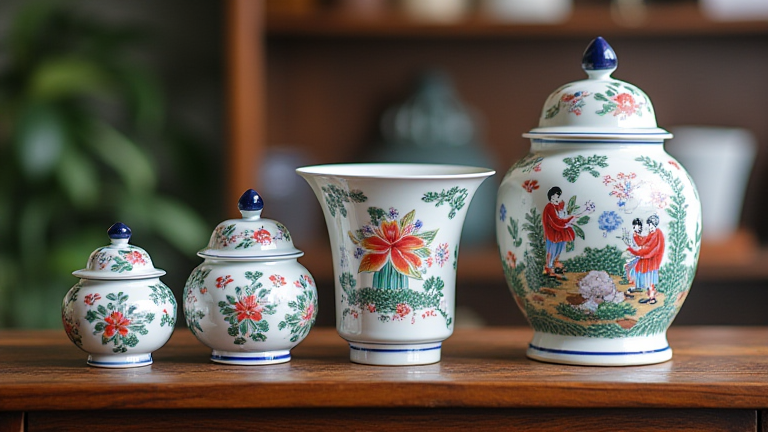
TL;DR: To master porcelain history and culture, begin by studying the distinct geological origins of kaolin clay and feldspar that define its unique translucency and strength. Engage with the material through hands-on identification of historical periods and regional styles to deepen your appreciation for this sophisticated ceramic art form.
Step 1: Understand the Geological Foundation
Before diving into artistic styles, you must understand what makes porcelain distinct from earthenware or stoneware. True porcelain is defined by its composition. Start by researching the two primary raw materials: kaolin clay and feldspar. Kaolin provides the plasticity needed for shaping, while feldspar acts as a flux during firing. Locate a reputable geological guide or museum resource that breaks down the molecular structure of these materials. Note how the high-temperature firing process, typically between 1,200 and 1,400 degrees Celsius, vitrifies the clay, resulting in a non-porous, white, and translucent body. This scientific understanding forms the bedrock of your cultural analysis, as it explains why porcelain has remained a status symbol for centuries.
If you want to dig deeper, check out our guide on Porcelain History: Unveiling the Art, Culture & Heritage.
Step 2: Trace the Historical Timeline
Next, construct a chronological map of porcelain production. Begin with its origins in China, specifically the Song Dynasty, where the first true porcelains were produced in Jingdezhen. Use primary historical sources to trace the export routes along the Silk Road and later maritime routes to Europe. Identify key turning points, such as the European attempts to replicate Chinese recipes in the sixteenth and seventeenth centuries. Pay close attention to the breakthrough at Meissen in Germany in 1708, which marked the first successful production of hard-paste porcelain in Europe. Create a visual timeline on a whiteboard or digital document, marking these pivotal dates. This step helps you contextualize cultural exchanges and the global impact of this material.
Step 3: Analyze Regional Styles and Techniques
With the timeline established, focus on specific regional aesthetics. Compare the delicate, monochromatic blue-and-white wares of Ming Dynasty China with the vibrant, polychrome enamel work of Qing Dynasty porcelain. Then, contrast these with the ornate, gilded styles of European factories like Sèvres in France or Wedgwood in England. Learn to identify specific decorative motifs, such as the lotus flower in Chinese culture or the rococo scrollwork in European pieces. Study the different firing techniques, including underglaze painting versus overglaze enamel. This comparative analysis allows you to recognize the cultural values embedded in each piece, from Confucian ideals to European aristocratic tastes.
Step 4: Engage with Modern Collections
Finally, apply your knowledge by visiting local museums or online archives. When viewing a piece, do not just look at the beauty; look for the historical markers you have studied. Identify the base glaze, the foot ring, and the specific pigment colors. Practice dating pieces based on their stylistic elements. Join an online forum or local ceramic society to discuss your findings with experts and enthusiasts. Share your observations and ask questions about specific pieces. This active engagement transforms passive knowledge into deep cultural understanding, allowing you to see porcelain not just as an object, but as a historical document.
FAQ
Q: What is the main difference between porcelain and stoneware?
A: Porcelain is made from kaolin and feldspar, fired at higher temperatures to achieve translucency, whereas stoneware is more porous and opaque.
Q: Why was porcelain so valuable in Europe during the 17th century?
A: It was rare, difficult to produce, and served as a status symbol due to its association with Chinese imperial courts and its superior hygiene properties.
Q: How can I authenticate a piece of antique porcelain at home?
A: Examine the base for maker’s marks, check the weight and translucency, and compare the glaze and decoration to known historical examples from reputable sources.
Leave a Reply