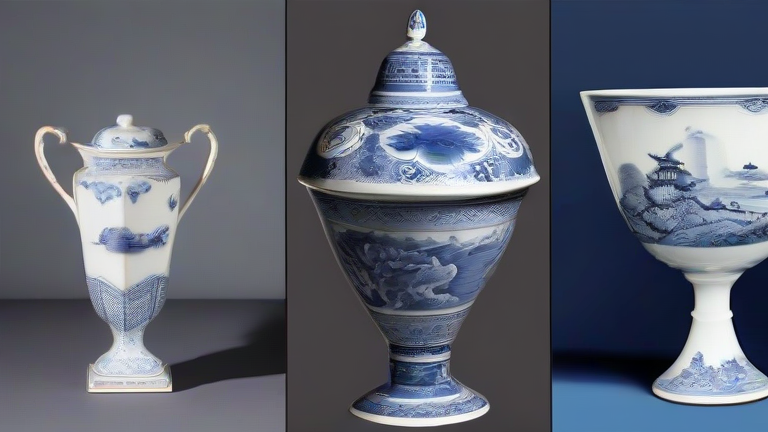
TL;DR: Explore the evolution of porcelain from ancient China to global trade to understand its cultural significance. Learn how to identify key eras, appreciate artistic styles, and curate a meaningful collection for beginners.
Understanding the Origins
Begin your journey by studying the origins of true porcelain, which emerged in China during the Han Dynasty. Focus on the technical breakthroughs that allowed for the creation of white, translucent, and vitrified clay. Understand why this material was considered superior to earthenware and stoneware. Read historical texts that describe the imperial kilns in Jingdezhen, known as the “Porcelain Capital.” This foundational knowledge helps you appreciate the rarity and value of early pieces. Pay attention to the specific glaze techniques developed during this period, as they define the aesthetic standards that followed for centuries. Knowing the geography of production sites will also help you trace the movement of goods along the Silk Road.
If you want to dig deeper, check out our guide on Porcelain History & Culture: A Complete Beginner’s Guide.
Tracing Global Influence
Next, investigate how porcelain spread to Europe and the Middle East via the Silk Road and maritime trade routes. Examine the impact of Chinese exports on local artistic traditions, particularly in Japan and the Netherlands. Study the European attempts to replicate the material, leading to the discovery of kaolin in Germany by Johann Friedrich Böttger. This event marked a turning point in European manufacturing. Compare the delicate, floral motifs of early Chinese export ware with the bold, blue-and-white designs of Delftware. Understanding these cross-cultural exchanges reveals how porcelain became a universal symbol of luxury and sophistication. Note the differences in forms and decorations that reflect local tastes and technological constraints.
Curating a Beginner Collection
Start collecting by focusing on a specific era or region to build depth rather than breadth. Begin with affordable, high-quality reproductions or late 19th-century pieces to develop your eye. Visit local antique fairs and reputable online auction houses to practice identifying marks, glazes, and shapes. Always check for hidden cracks or repairs using a strong light. Learn to read manufacturer’s marks and backstamps, as they provide crucial information about age and origin. Join online forums or local ceramic clubs to connect with experienced collectors. Seek mentorship to avoid common pitfalls, such as buying fakes or overpaying for common items. Document your collection with detailed photos and notes on provenance. This systematic approach ensures a rewarding and educational experience. Remember that the story behind each piece is as valuable as the object itself. Engage with the cultural narratives attached to specific patterns, such as the popular “willow pattern” or “famille rose” styles. This deepens your appreciation and allows you to share informed insights with others.
FAQ
Q: What is the difference between porcelain and stoneware?
A: Porcelain is made from kaolin and fired at higher temperatures, making it translucent and denser, while stoneware is opaque and less vitrified, using different clay bodies.
Q: How can I verify the authenticity of a porcelain piece?
A: Examine the weight, translucency, and sound when tapped, and verify manufacturer’s marks against reputable reference guides or databases.
Q: Why is Jingdezhen considered the capital of porcelain?
A: Jingdezhen has been the primary center of porcelain production in China for over a millennium, developing the technical standards and artistic styles that defined the industry.
Leave a Reply