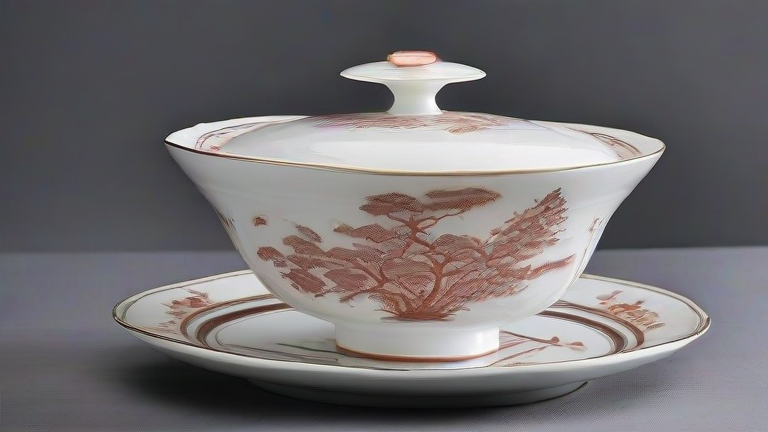
TL;DR: Porcelain, born in China over a thousand years ago, is a high-fired ceramic prized for its translucency, strength, and artistry. This guide traces its cultural journey from imperial kilns to European courts, helping you identify, value, and collect fine china with confidence.
Why Porcelain Matters: More Than a Dinner Plate
Unlike earthenware or stoneware, porcelain is fired at temperatures above 1,280°C, vitrifying the clay into a glass-like, non-porous body that rings when tapped. Its history is a saga of trade secrets, royal obsessions, and technological espionage. From the Tang dynasty’s first white wares to the Ming dynasty’s cobalt-blue masterpieces, porcelain was the “white gold” that funded empires and sparked the Silk Road’s most lucrative exchange. Today, collectors chase not just beauty but provenance—a Qing dynasty vase can fetch millions, while a 19th-century Meissen figurine tells a story of Saxon ambition.
If you want to dig deeper, check out our guide on Porcelain History & Culture: A Business Guide.
Feature Highlights: What Makes Fine China Exceptional
1. Translucency & Hardness: Hold a fine bone china cup to light—the gentle glow indicates high kaolin and bone ash content (up to 50% in English bone china). This gives chip resistance superior to porcelain’s harder, denser cousin. 2. Decorative Techniques: Underglaze cobalt (blue-and-white), overglaze enamels (famille rose), and gilding define eras. Hand-painted pieces from Limoges or Jingdezhen show brushstroke variations that mass-produced porcelain lacks. 3. Cultural Signifiers: Japanese Imari’s bold red-and-gold patterns reflect Edo-period trade; Danish Royal Copenhagen’s “Blue Fluted” pattern mimics Chinese originals but with Nordic minimalism. Each piece is a diplomatic artifact—a teacup that survived wars, a platter that crossed oceans.
Comparisons: Porcelain vs. Bone China vs. Stoneware
Hard-paste porcelain (Chinese, Meissen) fires at 1,400°C, offering glass-like edges but brittleness. Soft-paste porcelain (18th-century French) uses glass frit, easier to decorate but less durable. Bone china (British, since 1800) adds calcined bone ash for a warm ivory tone and incredible whiteness—ideal for daily use. Stoneware, fired lower, is opaque and heavier, better for rustic crocks than fine dining. For investment, antique hard-paste porcelain holds value best; for heirloom daily use, bone china wins. For pure artistry, hand-painted Limoges porcelain is unmatched—but expect to pay 3–5x more than mass-produced equivalents.
Your Next Step: Curate a Living History
Start small: buy a single vintage teacup from a trusted dealer (check for crazing, chips, and mark authenticity). Then build a mixed set—a Ming-inspired charger, a Meissen-style figurine, a Royal Albert bone china teapot. Display them, use them on holidays, and pass down the stories. Porcelain isn’t fragile—it’s a resilient witness to human creativity. Don’t just read about it; hold a piece of the past in your hands today.
FAQ
Q: How do I tell real porcelain from fake or stoneware?
A: Tap the rim—porcelain rings with a clear, bell-like tone lasting 2–3 seconds; stoneware thuds. Hold to light: real porcelain shows translucency (except thick bases). Check the foot rim—porcelain is smooth and vitrified, while fakes often have rough, unglazed edges.
Q: What’s the most collectible porcelain era or maker right now?
A: Early 20th-century Japanese Satsuma and 18th-century Chinese export porcelain (Nanking, Fitzhugh) are surging. For European, Meissen’s “Dot” period (1720s–1730
Leave a Reply