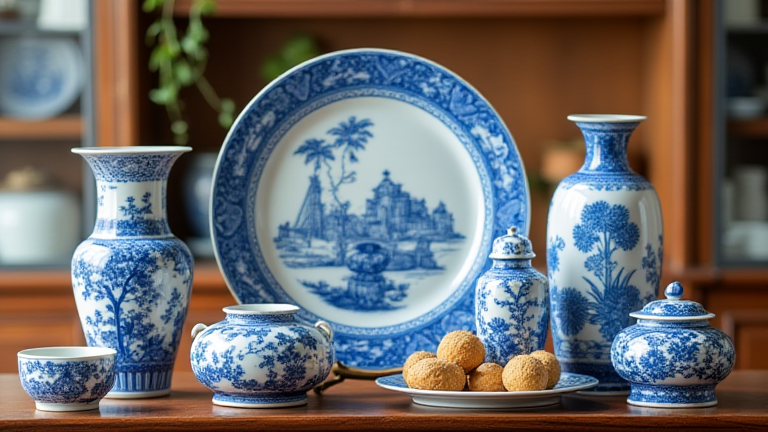
TL;DR: Porcelain is more than delicate china; it is a 1,000-year-old story of imperial trade, technical obsession, and cultural identity that shaped global dining rituals. By understanding its history and craft, you can bring a tangible piece of elegance into your everyday lifestyle—from tea ceremonies to table settings.
The Fires of Jingdezhen: Where It All Began
Porcelain was born in China during the Tang dynasty (618–907 AD), but it reached its zenith in Jingdezhen, the “Porcelain Capital.” By the Song dynasty, local artisans perfected the recipe: kaolin clay and feldspathic stone, fired at over 1,300°C, producing a translucent, ringing-white body that the world had never seen. This wasn’t just pottery—it was alchemy. The secret was so fiercely guarded that for centuries, Europeans believed porcelain was made from crushed seashells and eggshells. For the traveler, visiting Jingdezhen today is a pilgrimage: you can watch master throwers shape vases in open-air workshops, then sip tea from cups that hold the same luminous glaze as those sent to emperors.
If you want to dig deeper, check out our guide on Porcelain History & Culture: Unveiling Global Trends.
From Silk Road to Dinner Table: Porcelain as Cultural Currency
Porcelain reshaped global culture long before globalization had a name. Chinese export ware—blue-and-white Ming vases, celadon bowls—traveled the Maritime Silk Road, becoming the ultimate status symbol in Persia, Ottoman palaces, and later European courts. When the Dutch East India Company began importing it in the 17th century, porcelain was so expensive that kings displayed it in “porcelain rooms” rather than using it. This obsession sparked local imitations: Meissen in Germany (1708) and Sèvres in France created their own royal factories. Culturally, porcelain defined the ritual of dining: the delicate saucer allowed you to drink hot tea without burning your fingers, and the matched dinner service became a symbol of bourgeois order. Owning porcelain was not about eating—it was about proving you had taste, patience, and connections.
Living with Porcelain: A Personal Growth Practice
Embracing porcelain in your daily life is a slow-living antidote to disposable culture. Start small: replace your ceramic mug with a hand-thrown porcelain cup. Notice its weight—lighter than stoneware, yet surprisingly sturdy. Use a porcelain plate for your morning toast; the material retains warmth but not grease, and its non-porous surface cleans with a whisper. For personal growth, adopt the Japanese practice of kintsugi—repairing cracked porcelain with gold lacquer. This philosophy teaches that breakage is part of the object’s biography, not a flaw. Similarly, choose one heirloom porcelain piece (a teapot, a covered jar) and use it every day, not just for guests. Let its history remind you that elegance is not about perfection, but about being present with fragile, beautiful things.
Porcelain in Modern Travel and Cuisine
Today, porcelain culture thrives in unexpected places. In Lisbon, visit the Museu Nacional do Azulejo to see hand-painted tiles that once lined monasteries. In Istanbul, the Topkapi Palace houses a collection of 10,000 Chinese porcelains—the largest outside China—because Ottoman sultans believed porcelain could detect poison. For the foodie, consider a “porcelain tasting menu”: dine at a restaurant like Noma or Narisawa, where chefs plate on bespoke porcelain designed to enhance aroma and temperature. Or, travel to Limoges, France, where you can tour the Adrien Dubouché National Museum and then paint your own cup in a workshop. The lesson? Porcelain is not a museum relic; it is a living medium that connects you to centuries of human desire for beauty and utility.
FAQ
Q: How can I tell real porcelain from fake or ceramic?
A: Hold it to light—true porcelain is translucent at the rim. Also, tap it gently; authentic porcelain rings with a clear, metallic chime, while stoneware or earthenware sounds dull
Leave a Reply