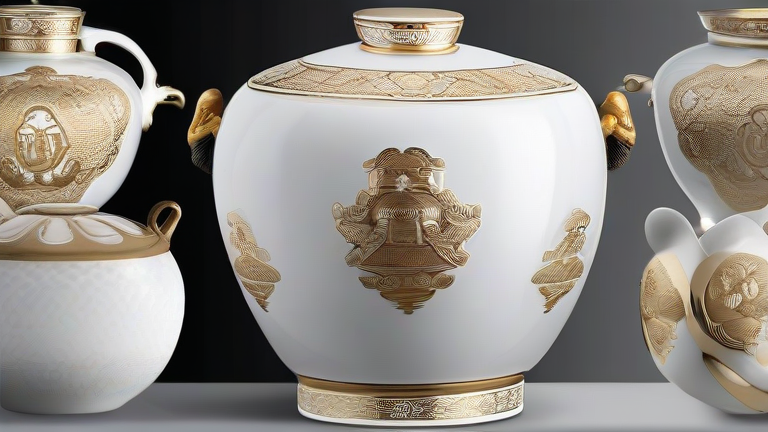
TL;DR: Porcelain is China’s most enduring cultural export, evolving from imperial court treasures to global symbols of refinement and artistic sophistication. Its history reflects a journey from exclusive “white gold” to an accessible aesthetic that continues to influence modern design, dining, and interior decor worldwide.
The Origin of White Gold
Long before the Silk Road connected East and West, Chinese artisans were mastering the secret of creating a material that was both incredibly durable and breathtakingly translucent. Known in the West as “white gold,” porcelain was not merely a vessel for tea or wine; it was a symbol of status, purity, and technological superiority. The earliest true porcelain, produced during the Tang Dynasty, was already prized, but it was the subsequent Song Dynasty that elevated the craft to an art form, emphasizing subtle glazes and perfect symmetry. For centuries, the production process was closely guarded state secrets, particularly in the imperial kilns at Jingdezhen. To own a piece of genuine Chinese porcelain was to possess a fragment of heaven itself, a material that seemed to defy the limitations of earth and fire.
If you want to dig deeper, check out our guide on Porcelain History: 5 Lifestyle Tips from Centuries of Craft.
Artistry and Cultural Significance
The cultural impact of porcelain extends far beyond its utility. Each piece serves as a canvas for intricate artistic expression, blending painting, poetry, and philosophy. The famous blue-and-white wares of the Ming Dynasty are prime examples of this synthesis, featuring scenes from mythology, landscapes, and daily life rendered with the precision of a master calligrapher. These patterns were not random; they carried deep symbolic meanings, conveying wishes for longevity, prosperity, and harmony. In traditional Chinese culture, the white of porcelain represents purity and clarity of mind, while the blue of the cobalt pigment symbolizes depth and integrity. This duality made porcelain a perfect medium for expressing the Confucian ideals of balance and order. As trade expanded, these aesthetic principles traveled along with the wares, influencing artistic movements from the Delftware of the Netherlands to the faience of France, creating a global dialogue of style that persists today.
Modern Style and Personal Growth
Today, the legacy of porcelain is deeply embedded in our lifestyle, offering both practical utility and spiritual grounding. In the modern home, collecting or using porcelain is a way to connect with history and cultivate a sense of mindfulness. The delicate nature of the material encourages a slower, more intentional way of living. Using a fine porcelain tea set, for instance, transforms the act of drinking tea into a ritual of appreciation, forcing the drinker to slow down and savor the moment. This aligns with the personal growth principle of finding beauty in simplicity and imperfection, a concept resonant with the Japanese aesthetic of wabi-sabi, which was itself influenced by Chinese ceramics. Furthermore, traveling to ceramic hubs like Jingdezhen or visiting world-class museums offers a profound cultural education. It reminds us that true luxury is not just about cost, but about the story, the craftsmanship, and the heritage behind an object. By embracing the art of porcelain, we honor a tradition that values patience, precision, and the enduring power of beauty to elevate the everyday experience.
FAQ
Q: Why is porcelain called “white gold”?
A: The term reflects its extreme rarity and high value in ancient times, as it was more precious than many metals due to the complex, secret manufacturing process and its superior aesthetic qualities.
Q: What is the difference between porcelain and ceramic?
A: Porcelain is a specific type of ceramic made from kaolin clay and fired at very high temperatures, making it denser, whiter, more translucent, and more durable than standard ceramics.
Q: How can I incorporate porcelain into my modern home decor?
A: You can start by using high-quality porcelain for tableware, displaying antique or contemporary vases as focal points, or integrating minimalist white ceramic sculptures to add elegance and cultural depth to your interior.
Leave a Reply