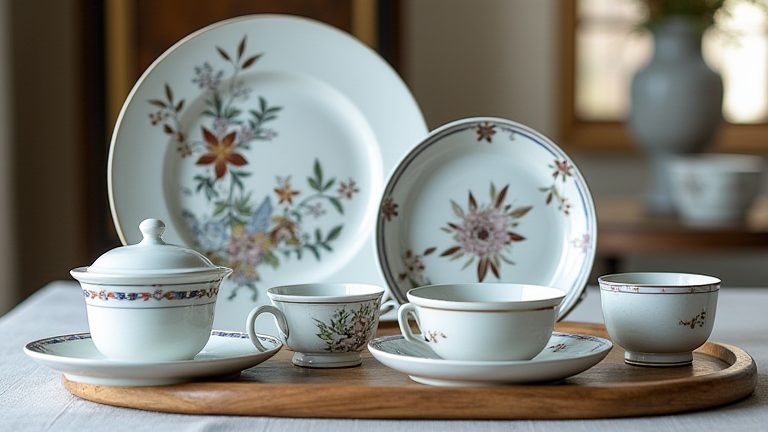
TL;DR: Porcelain is far more than delicate dinnerware—it is a living chronicle of global trade, technological genius, and cultural exchange. Understanding its history transforms how we consume, decorate, and connect with daily rituals, from tea ceremonies to modern tabletop design.
The Silk Road of White Gold
Long before European factories mastered the craft, Chinese porcelain—known as “white gold”—was the most coveted luxury export on Earth. From the Tang dynasty’s early celadons to the cobalt-blue Ming vases that inspired Persian and Ottoman imitations, porcelain traveled the Silk Road in caravans and junks, shaping palates and aesthetics from Kyoto to Cairo. The secret of kaolin clay and high-fire kilns was guarded for centuries, making every shard a treasure. When the Dutch East India Company shipped millions of pieces to Europe in the 1600s, they didn’t just sell bowls—they sold a lifestyle of refinement, cleanliness, and social status. For the modern traveler, visiting Jingdezhen (China’s porcelain capital) is a pilgrimage: you can watch artisans throw pots exactly as their ancestors did a thousand years ago, then sip tea from a cup fired in a wood-burning dragon kiln.
If you want to dig deeper, check out our guide on Porcelain History & Culture: A Beginner’s Guide to Porcelain.
Porcelain as a Culinary and Ritual Lens
Porcelain’s cultural footprint is deeply tied to food and ceremony. In Japan, the development of Imari and Kutani ware elevated the tea ceremony into a meditative art form, where the shape and glaze of a chawan (tea bowl) dictate the entire sensory experience. Meanwhile, in the Middle East, Iznik tiles and plates blended Chinese motifs with Islamic geometry, creating a fusion aesthetic that still defines Turkish and Persian hospitality. For the home cook or host, choosing porcelain isn’t merely practical—it’s an act of storytelling. A thin, translucent bone-china teacup invites slow sipping; a rustic, unglazed Japanese shino bowl encourages a grounding, tactile meal. By collecting or using regional porcelain, you participate in a global conversation that spans centuries, turning every dinner into a lesson in cross-cultural empathy.
Personal Growth Through Collecting and Craft
Engaging deeply with porcelain offers a surprising path to personal growth. The practice of mending breaks with gold—kintsugi—teaches that flaws are history, not shame. Collecting antique shards or modern studio ceramics trains patience and observation: you learn to read kiln temperature by a glaze’s crackle, and to value imperfection over mass-produced uniformity. For a lifestyle article, consider starting small: visit a local pottery studio, take a hand-building class, or simply replace your everyday mug with a handmade porcelain piece. This shift encourages mindful consumption, slowing down the frantic pace of modern living. Moreover, understanding porcelain’s history—from royal courts to colonial trade—cultivates a critical eye for cultural appropriation versus appreciation. You begin to ask: Who made this? What techniques were borrowed? And how can I honor that lineage?
Bringing Porcelain into Your Daily Rhythm
You don’t need a museum budget to integrate porcelain culture into your life. Start with a teapot from a small Japanese workshop, or a set of Vietnamese celadon bowls for your noodle soups. Host a tea ceremony with friends using different regional cups to compare tactile qualities. Read a book on the history of Delftware, then visit a local antique fair to spot fakes versus real pieces. The lifestyle shift is subtle but profound: you become a caretaker of objects that outlive you, connecting your hands to generations of artisans. Whether you’re traveling to a porcelain museum in Meissen, Germany, or simply rearranging your shelves, remember that every piece holds a story of fire, earth, and human ingenuity.
FAQ
Q: What is the single most important cultural impact of porcelain?
A: Porcelain revolutionized global trade and diplomacy, acting as a neutral “universal luxury” that bridged East and West, influencing everything from royal dining etiquette to the development of industrial chemistry in Europe.
Q: How can I tell if a porcelain
Leave a Reply