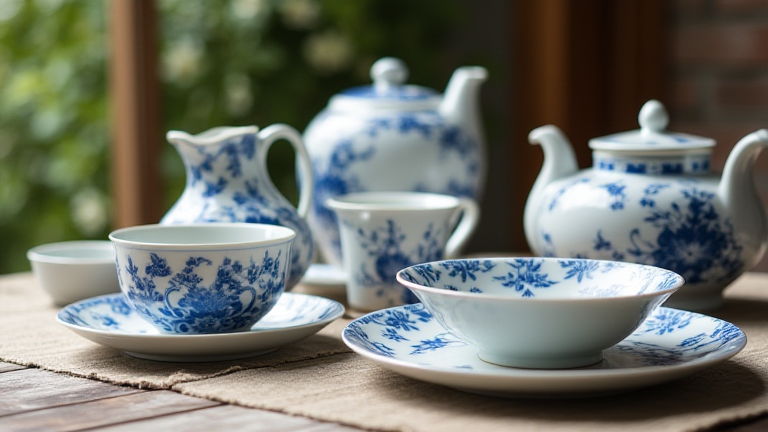
TL;DR: Porcelain is not merely a decorative item but a centuries-old symbol of refinement that has shaped global dining etiquette and interior aesthetics. Its legacy invites modern lifestyle enthusiasts to appreciate the intersection of artisanal craftsmanship, sustainable home design, and the mindful practice of slow living through the appreciation of fine tableware.
The Origins of White Gold
To understand the lifestyle impact of porcelain, one must first appreciate its origins. For centuries, true porcelain was a closely guarded secret in China, known as “white gold” due to its translucency and strength. It was not until the early 18th century that European alchemists, notably in Meissen, Germany, cracked the code. This breakthrough did more than just create a new material; it democratized luxury. What was once reserved for emperors and the ultra-wealthy became accessible to the burgeoning middle class. This shift marked a pivotal moment in personal growth and status signaling, where the objects in one’s home began to reflect not just wealth, but taste and education.
If you want to dig deeper, check out our guide on Porcelain History: How China’s White Gold Defined Global Lux.
The Ritual of the Tea Service
In the realm of food and travel, porcelain plays a central role in the ritualization of eating and drinking. The adoption of porcelain tea sets in Europe transformed a simple beverage break into a social institution. The delicate nature of the material required a new level of mindfulness and care. Today, this legacy persists in the “slow living” movement. Choosing a handmade porcelain cup over mass-produced plastic or glass is an act of personal intention. It slows down the morning routine, encouraging the drinker to appreciate the weight of the ceramic, the warmth of the handle, and the visual elegance of the glaze. This is where culture meets personal growth; the ritual becomes a daily meditation on presence and appreciation.
Curating a Timeless Home
From a design perspective, porcelain offers a unique aesthetic that complements both minimalist and maximalist lifestyles. Unlike plastic, which ages poorly, or metal, which can feel cold, porcelain retains a timeless quality. In interior culture, the display of porcelain is an art form. Curating a collection involves more than just buying matching sets; it is about storytelling. A vintage Japanese Imari plate next to a modern Scandinavian mug creates a dialogue between East and West, past and present. This curation process fosters a deeper connection to one’s living space, turning a house into a home that reflects a journey of travel and cultural discovery. It encourages homeowners to value quality over quantity, a core tenet of sustainable living.
The Artisan’s Touch
Finally, the lifestyle legacy of porcelain is deeply tied to the artisan. In an age of mass production, the return to hand-thrown and hand-painted porcelain represents a desire for authenticity. Supporting local potters and global artisans is a form of ethical consumption. It acknowledges the human labor behind the object. This connection to the maker adds a layer of personal growth to the object itself. Knowing the story of the person who shaped the clay and painted the motif transforms a simple bowl into a piece of narrative art. It reminds us that in our fast-paced digital lives, there is still immense value in the tangible, the imperfect, and the handmade.
FAQ
Q: Why is porcelain considered a symbol of luxury in modern lifestyle design?
A: Porcelain is valued for its durability, heat retention, and aesthetic versatility, allowing it to elevate everyday meals and home decor into sophisticated, mindful experiences.
Q: How can incorporating porcelain into a daily routine support personal growth?
A: The care and attention required for porcelain encourage mindfulness and slow living, transforming routine activities like tea drinking into meditative rituals that foster presence and appreciation.
Q: What makes porcelain a sustainable choice for conscious consumers?
A: Porcelain is long-lasting, non-toxic, and often produced by local artisans, reducing waste and supporting ethical craftsmanship compared to disposable or short-lived alternatives.
Leave a Reply