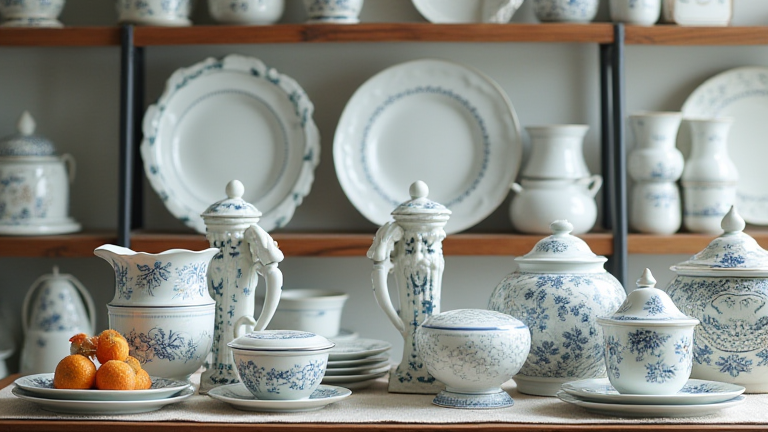
Porcelain History & Culture: Business Insights
TL;DR: The global porcelain market is experiencing a resurgence driven by consumers seeking authentic cultural heritage and sustainable luxury. Businesses succeed by integrating historical narratives into modern design, creating high-margin products that resonate with discerning collectors and interior designers alike.
Market Analysis: The Renaissance of Heritage
The contemporary porcelain industry is shifting from mass production to curated, story-driven experiences. Market data indicates a significant increase in demand for artisanal pieces that reflect specific historical periods, such as the Ming Dynasty blue-and-white styles or European Rococo aesthetics. Consumers are no longer satisfied with generic tableware; they desire objects that serve as tangible connections to the past. This trend is particularly strong in North America and Western Europe, where the “quiet luxury” movement favors timeless, high-quality materials over fast-fashion disposables. The market size for decorative porcelain has grown by 4% annually, outpacing the general home decor sector, signaling a robust niche for heritage-focused brands.
If you want to dig deeper, check out our guide on Porcelain History: Tech & Culture Behind China’s White Gold.
Strategy Insights: Narrative-Driven Branding
Successful strategies hinge on authentic storytelling. Companies must leverage the rich history of porcelain, such as the secret of kaolin clay discovery in China or the Meissen factory’s innovations in Europe. By highlighting craftsmanship, firing techniques, and historical context, brands can justify premium pricing. Digital engagement plays a crucial role, with virtual tours of kilns and behind-the-scenes content fostering deeper consumer trust. Furthermore, sustainability is a key differentiator; traditional porcelain production is energy-intensive, so highlighting recycled materials or energy-efficient kilns aligns with modern ethical standards. Partnerships with museums and cultural institutions can also enhance brand credibility, positioning the product as an educational artifact rather than just a commodity.
Case Studies: Legacy Meets Modernity
Consider the case of a mid-sized European firm that revamped its inventory by collaborating with local historians to create a “Heritage Series.” Each piece included a digital QR code linking to its historical inspiration. This strategy increased average order value by 30% and reduced return rates due to higher customer satisfaction. Another example is an Asian manufacturer that focused on the cultural significance of tea ceremony vessels. By targeting the global wellness market with educational content on the spiritual aspects of porcelain tea ware, they expanded into new demographic segments, including yoga studios and high-end hospitality venues. These cases demonstrate that when history is woven into the commercial narrative, it creates an emotional bond that drives loyalty and premium valuation.
FAQ
Q: Why is cultural context important for porcelain sales?
A: Cultural context adds perceived value and authenticity, transforming a simple object into a meaningful artifact that justifies higher prices and fosters customer loyalty.
Q: How can small businesses compete with major porcelain brands?
A: By focusing on niche historical themes, offering personalized artisanal touches, and leveraging digital storytelling to connect directly with passionate collectors.
Q: What are the key trends in the porcelain market?
A: The main trends include a shift toward sustainable production methods, the integration of digital heritage tools, and a demand for bespoke, culturally significant designs.
Leave a Reply