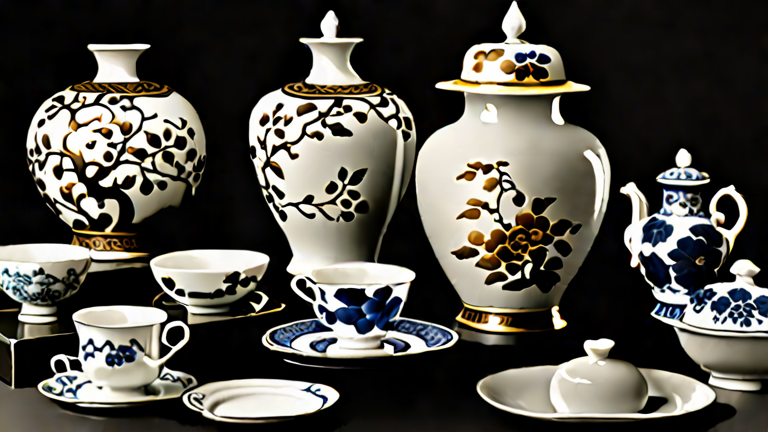
TL;DR: Modern digital fabrication and AI-driven glaze analysis have revolutionized the preservation and production of Chinese porcelain, ensuring the “white gold” legacy remains vibrant in the digital age. These technological integrations allow for precise replication of historical artifacts and sustainable manufacturing, bridging the gap between ancient craftsmanship and contemporary innovation.
The Digital Resurrection of White Gold
For centuries, Chinese porcelain has been synonymous with elegance, durability, and cultural prestige. Known as “white gold” in global markets, its history is deeply intertwined with trade, art, and engineering. However, the narrative is no longer confined to kilns and clay. The latest developments in technology are reshaping how we understand, create, and preserve this iconic material. High-resolution 3D scanning technologies now allow museums to digitize rare Ming and Qing dynasty pieces with micron-level precision. This data serves as a permanent archive, protecting cultural heritage from physical degradation while enabling global access to virtual exhibitions. The integration of digital twins means that every scratch and glaze variation is captured, creating a comprehensive historical record that was previously impossible to achieve.
If you want to dig deeper, check out our guide on Porcelain History: The Art & Culture Behind the Porcelain Li.
Advanced Manufacturing and Smart Kilns
On the production side, the industry is witnessing a significant shift toward smart manufacturing. Traditional kilns, which relied on the intuition of master potters, are now equipped with IoT sensors and AI algorithms. These systems monitor temperature, humidity, and fuel combustion in real-time, optimizing energy efficiency and reducing waste. Recent specifications for high-end smart kilns include thermal stability within 1 degree Celsius and predictive maintenance capabilities that alert technicians to potential failures before they occur. This precision ensures a higher yield of defect-free pieces, which is crucial for both mass-market tableware and luxury art pieces. Furthermore, robotic arms equipped with haptic feedback are being used to assist in the delicate process of glazing, ensuring uniform coverage that matches historical standards. The result is a product that honors traditional aesthetics while leveraging modern consistency and reliability.
AI-Driven Design and Market Impact
The impact of AI on porcelain design cannot be overstated. Machine learning models trained on thousands of historical patterns can generate new designs that are both innovative and culturally authentic. Designers use these tools to simulate how different pigments will react to various firing temperatures, drastically reducing the trial-and-error phase. This accelerates the development cycle from months to weeks. In terms of industry impact, tech-enabled porcelain brands are seeing a surge in demand from younger consumers who value sustainability and traceability. Blockchain technology is being used to certify the origin and authenticity of high-value porcelain pieces, combating counterfeits and ensuring fair compensation for artisans. The market value of tech-integrated porcelain has risen, with collectors willing to pay premiums for pieces that combine ancient techniques with modern provenance data. This trend is not just about selling products; it is about preserving a cultural narrative through digital means.
Sustainable Innovations in Material Science
Environmental concerns have also driven technological advancements in porcelain material science. New formulations utilize recycled kaolin and alternative fluxes that reduce the carbon footprint of production. Advanced filtration systems capture particulate matter from kilns, meeting stringent environmental regulations. These innovations ensure that the production of white gold remains viable for future generations. By combining eco-friendly practices with high-tech manufacturing, the industry is setting a new standard for sustainable luxury goods. The convergence of history and technology ensures that Chinese porcelain remains a relevant and respected artifact in the modern world.
FAQ
Q: How does 3D scanning help preserve porcelain history?
A: It creates high-fidelity digital archives of rare artifacts, allowing for detailed study and virtual access without risking physical damage to the original pieces.
Q: What are the key benefits of AI in porcelain glaze analysis?
A: AI predicts how pigments will behave during firing, reducing material waste and ensuring color consistency that matches historical standards with greater precision.
Q: Is technology replacing traditional potters?
A: No, technology acts as a tool to assist artisans by handling repetitive tasks and providing data, allowing potters to focus on creative expression and fine detailing.</
Leave a Reply