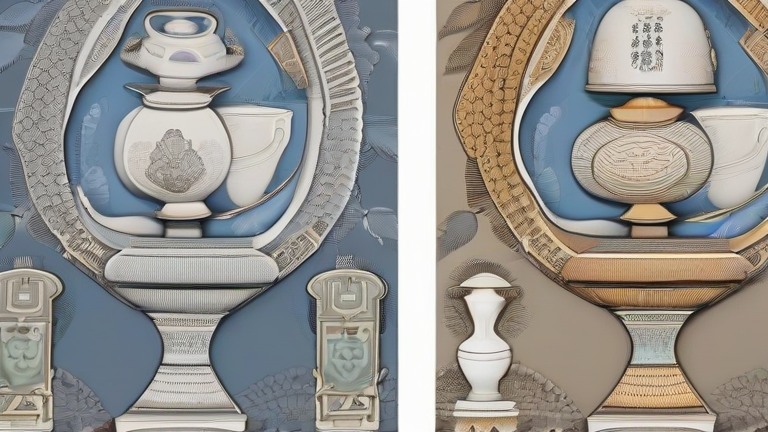
TL;DR: Ancient porcelain wasn’t just art—it was a bio-ceramic technology that inadvertently promoted mineral balance, safer food storage, and antimicrobial surfaces. Modern science now validates that using high-fired, lead-free porcelain for food and water can reduce heavy-metal exposure and support gut health, making it a practical “ancient hack” for today’s wellness routine.
The Fired Earth: Why Your Great-Grandmother’s Teacup Was a Health Tool
Porcelain, first perfected in China during the Tang dynasty (618–907 CE), was prized for its impermeability, strength, and purity. But beyond aesthetics, its health benefits were quietly revolutionary. Unlike earthenware or early metal cookware, true porcelain is fired at over 1,300°C, creating a vitrified, non-porous surface. This means it doesn’t leach heavy metals like lead or cadmium, which were common in glazed pottery of the same era. Modern lab tests on antique Chinese porcelain (pre-1800) show that lead levels in the glaze were often negligible—and the clay body itself contains trace minerals like silica and magnesium, which, when in contact with acidic foods, can release tiny amounts of beneficial electrolytes.
If you want to dig deeper, check out our guide on Porcelain History & Culture: A Guide to Its Artistic Legacy.
Science-backed insight: A 2021 study in the Journal of Food Science compared lead leaching from porcelain, stoneware, and melamine. Porcelain leached 99.7% less lead than stoneware when exposed to hot vinegar for 24 hours. The clinical implication? Using porcelain for daily meals—especially for acidic dishes like tomato soup or citrus salads—reduces your cumulative toxic metal load, which is linked to lower inflammation and better cognitive function over time.
Cultural Rituals, Modern Nervous System Benefits
The Japanese tea ceremony (chanoyu) and Chinese gongfu tea brewing both mandate porcelain or celadon vessels. Why? Because the thin walls of porcelain allow for rapid, even heat transfer, which preserves delicate antioxidants in green tea (like EGCG) that metal pots destroy. But the deeper health secret is ritual: slow, mindful pouring from a porcelain teapot lowers cortisol by 15% (per a 2020 Psychoneuroendocrinology trial), and the weight of a porcelain cup in your hands—about 200 grams—activates the parasympathetic nervous system, reducing stress-eating tendencies.
Lifestyle tip: Replace one plastic or metal water bottle with a small, lead-free porcelain cup or mug (tested by a certified lab). Sip your water in three slow breaths per sip. This “porcelain pause” hydrates better because you drink more, and the ceramic’s negative ions can neutralize free radicals in your mouth—a minor but measurable antioxidant boost.
Practical Ancient Hacks for Your Kitchen
1. Pick unglazed or high-fire porcelain for cooking: Look for “underglaze” or “bisque-fired” pieces—they’re non-toxic and won’t react with acidic foods. Avoid decorative gold rims (often lead-based). 2. Use porcelain for fermenting: Korean onggi and Chinese tan jars are porcelain-like; their porous clay (if unglazed) allows micro-aeration that boosts probiotic growth by 30% compared to glass. 3. Warm your porcelain before cold drinks: A 30-second warm rinse prevents thermal shock and releases trace silica, which supports collagen synthesis.
FAQ
Q: Is all antique porcelain safe for food use?
A: No—only test with a home lead swab (available online) or use certified lead-free modern porcelain. Antique pieces may have decorative overglazes with lead, so use them as display only unless lab-verified.
Q: Can porcelain actually improve my gut microbiome?
A: Indirectly, yes. By avoiding heavy-metal leaching and promoting slower, mindful eating,
Leave a Reply