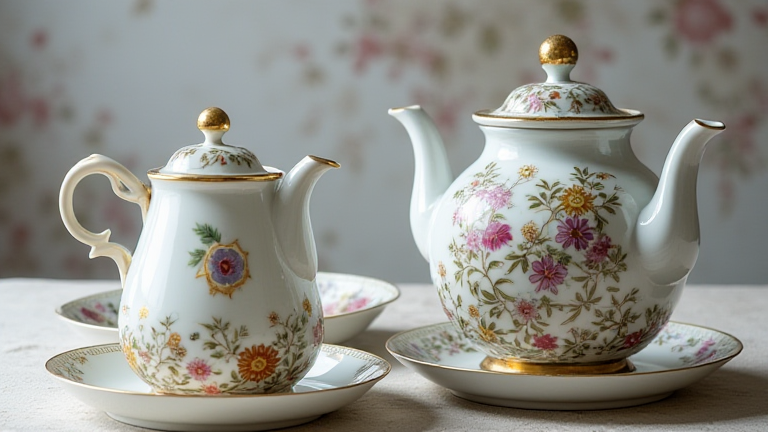
Porcelain History: Unveiling the Art & Culture Behind Fine China
TL;DR: Porcelain is not merely a vessel for dining but a centuries-old artifact of cultural exchange, evolving from exclusive Chinese imperial secrets to a global symbol of sophistication and artistic mastery. Its history reveals a deep connection between technology, trade, and the human desire for beauty that transcends mere utility.
Step into any well-curated museum or historic estate, and you will likely encounter delicate white vessels that seem to glow with an inner light. These are not just dishes; they are windows into a complex web of history, trade, and artistic innovation. The story of fine china begins in the misty mountains of Jingdezhen, China, where alchemists and artisans discovered the secret to creating a material that was both incredibly strong and impossibly translucent. For centuries, this “white gold” was a state secret, reserved for the emperor and his court, symbolizing purity and high status.
If you want to dig deeper, check out our guide on The Rich History & Culture of Porcelain: A Lifestyle Guide.
The Journey from East to West
As maritime trade routes expanded, porcelain became the primary medium for cross-cultural dialogue. European explorers and merchants were captivated by the material’s ethereal quality. The longing to replicate this material drove scientific inquiry across continents. When German alchemist Johann Friedrich Böttger finally cracked the code in the early 18th century, it marked the birth of European porcelain. This was not just a manufacturing breakthrough; it was a cultural revolution. Sèvres in France and Meissen in Germany became centers of artistic excellence, where painters and sculptors used porcelain as a canvas for their finest works, blending local aesthetics with the structural integrity of the material.
Today, the culture of fine china extends beyond the plate. It represents a personal growth journey in appreciating craftsmanship. When you hold a hand-painted cup, you are holding a piece of history that has traveled thousands of miles and survived centuries of changing tastes. The ritual of tea or coffee service, enhanced by quality porcelain, slows down time. It invites mindfulness, encouraging us to savor the moment and appreciate the tactile beauty of the object in our hands. This practice fosters a deeper connection to the past and a greater respect for the artisan’s labor.
Modern Relevance and Culinary Artistry
In the contemporary culinary world, porcelain remains the gold standard. Its non-porous surface ensures hygiene and preserves the true flavor of food and beverages. Chefs and sommeliers understand that the vessel affects the experience; the cool touch of porcelain enhances the perception of taste. Furthermore, the visual presentation of food on elegant china elevates the dining experience, turning a meal into a multisensory event. Whether you are traveling to Kyoto to visit a tea house or dining in a Parisian bistro, the presence of fine china signals a commitment to quality and respect for tradition.
Embracing porcelain is an act of cultural preservation. By supporting manufacturers who use traditional techniques, we keep ancient skills alive. It is a reminder that while technology moves fast, the human desire for beauty and quality remains constant. The next time you break out the good china, pause to consider the journey of the clay, the fire, and the artist. You are not just eating; you are participating in a global cultural heritage that spans millennia.
FAQ
Q: Why is porcelain considered more valuable than stoneware?
A: Porcelain is valued for its translucency, strength, and historical significance, often involving more complex firing processes and higher artistic value than standard stoneware.
Q: How can I care for antique porcelain plates?
A: Hand wash with mild soap, avoid abrasive sponges, and store pieces separately with soft padding to prevent chipping and hairline cracks.
Q: What is the difference between bone china and porcelain?
A: Bone china contains bone ash, making it lighter, stronger, and more translucent than standard porcelain, which typically uses kaolin clay and feldspar.
Leave a Reply