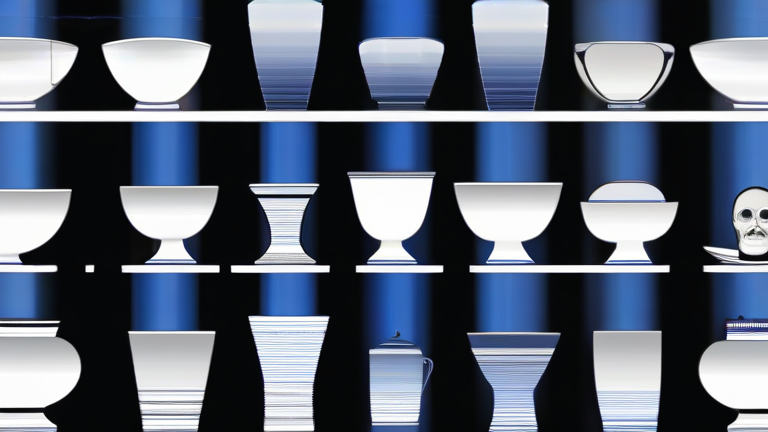
TL;DR: Porcelain has served as a critical vessel for medicinal and spiritual healing practices across centuries, from Tang Dynasty China to modern holistic wellness. Its thermal properties and aesthetic calm facilitate mindfulness, making it a tangible tool for stress reduction and ritualistic self-care.
The Alchemy of Earth and Fire
Long before the invention of antibiotics, ceramics were central to medical history. In ancient China, porcelain was not merely decorative; it was functional medicine. The Tang and Song dynasties utilized high-fired ceramic vessels to store medicinal herbs, tea, and water. The non-porous nature of true porcelain, composed of kaolin, quartz, and feldspar, prevents bacterial growth and chemical leaching. This scientific stability made porcelain the ideal medium for preserving the purity of healing elixirs. Modern science supports this legacy, noting that inert materials like high-quality ceramic are safer for storing natural remedies than reactive metals or plastics, ensuring that the therapeutic properties of herbs and teas remain intact.
If you want to dig deeper, check out our guide on Porcelain History: How Ancient Craft Shapes Modern Health.
Thermal Therapy and Mindfulness
In contemporary wellness culture, the tactile and thermal properties of porcelain are being rediscovered for their calming effects. The practice of “tea therapy” or *chaxue* in East Asian traditions involves the slow preparation of tea in ceramic ware. This ritual encourages mindfulness, lowering cortisol levels and promoting parasympathetic nervous system activity. The weight and texture of a porcelain cup engage the somatosensory system, grounding the user in the present moment. Additionally, some wellness practitioners utilize ceramic stones or bowls for thermal therapy. While not as common as heated stones, the insulating properties of dense porcelain allow for the safe holding of warm water or herbal infusions, providing gentle heat therapy to the hands and face. This simple act of holding warmth triggers a relaxation response, reducing tension in the shoulders and neck.
Design and Environmental Health
From an environmental health perspective, choosing porcelain over single-use plastics aligns with holistic wellness principles. Plastics often contain endocrine-disrupting chemicals like BPA or phthalates, which can leach into hot beverages. Porcelain, when lead-free, is chemically inert, ensuring that your morning coffee or evening herbal tea is consumed without toxic exposure. This choice reflects a broader lifestyle commitment to non-toxic living. Furthermore, the durability of porcelain means fewer replacements, reducing the ecological footprint associated with manufacturing and waste. Embracing a “slow living” aesthetic with high-quality ceramic tableware transforms daily meals into mindful experiences, enhancing the biofeedback loop between food intake and mental well-being.
Integrating Ceramics into Daily Rituals
To incorporate porcelain into your wellness routine, start with your morning routine. Invest in a high-quality, lead-free porcelain mug. Use it exclusively for your first beverage of the day, whether it is water, herbal tea, or coffee. Focus on the sensation of the ceramic against your skin. Practice deep breathing while holding the vessel. This simple anchor point can reduce anxiety and improve focus throughout the day. For evening wind-downs, use a porcelain bowl for a warm foot soak with Epsom salts. The thermal retention of the ceramic helps maintain water temperature longer than glass or metal, extending the duration of the relaxing soak. These small, consistent rituals create a sense of stability and care, reinforcing the mind-body connection that is essential for long-term health.
FAQ
Q: Is all porcelain safe for health and wellness use?
A: Yes, but only if it is certified lead-free and cadmium-free. Always check for safety certifications, especially for decorative pieces with painted designs, to avoid toxic leaching into food or beverages.
Q: Can porcelain be used for thermal therapy?
A: While not as common as heated stones, dense porcelain can retain heat well. You can safely warm a lead-free porcelain mug with hot water and hold it to apply gentle heat to the face or hands for relaxation.
Q: How does using ceramic tableware affect mental health?
A: Using beautiful, durable ceramics encourages mindfulness and slows down eating and drinking. This intentional engagement
Leave a Reply