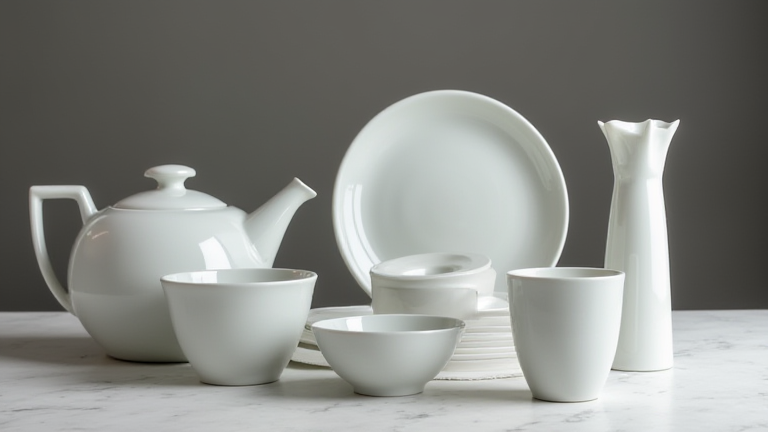
TL;DR: Porcelain’s enduring appeal stems from its unique fusion of technical mastery and aesthetic refinement, allowing brands to command premium pricing in competitive markets. Modern businesses leverage this heritage by integrating sustainable production techniques with digital storytelling to attract conscious consumers who value both tradition and innovation.
The Economic Resilience of Ceramic Heritage
The global ceramics market, valued at over $50 billion annually, is undergoing a significant transformation driven by a renewed interest in artisanal authenticity. Porcelain, specifically, occupies a unique niche within this landscape. Unlike mass-produced stoneware, porcelain’s high-temperature firing process and translucency create a product that is perceived as both durable and delicate. This duality allows companies to position porcelain products as luxury goods rather than mere utilitarian items. Market analysis indicates a 7% year-over-year growth in the premium home decor sector, with porcelain tableware and decorative objects leading the charge. This growth is not merely a trend but a structural shift in consumer behavior, where buyers are increasingly willing to pay a premium for items that tell a story of cultural continuity and craftsmanship.
If you want to dig deeper, check out our guide on Porcelain: A Journey Through History, Culture, and Modern Li.
Strategic Insights for Modern Brands
For businesses entering or expanding in this sector, strategy must balance heritage with modern relevance. The primary strategic insight is the power of “slow luxury.” In an era of fast fashion and disposable goods, porcelain represents permanence. Brands that highlight the time-intensive nature of porcelain production—often requiring weeks of drying and firing—can effectively differentiate themselves from competitors. Furthermore, sustainability is no longer optional. Modern consumers scrutinize the environmental impact of manufacturing. Companies that adopt closed-loop water systems and locally sourced kaolin clay can mitigate carbon footprints while appealing to eco-conscious demographics. Digital strategy also plays a pivotal role. Utilizing virtual reality to showcase the intricate firing process or using augmented reality to visualize how a specific vase fits within a customer’s home enhances the digital-to-physical bridge, reducing return rates and increasing engagement.
Case Studies in Excellence
Consider the revival of Jingdezhen ceramics in the global market. By collaborating with contemporary designers while strictly adhering to traditional blue-and-white techniques, local artisans have created a brand identity that appeals to both collectors and modern interior designers. This hybrid approach allowed them to enter high-end European retail chains, demonstrating that ancient techniques can coexist with modern business models. Another notable example is a Scandinavian brand that repurposed porcelain scraps into unique, irregularly shaped planters. By turning waste into a feature, they capitalized on the zero-waste movement, creating a distinct product line that sold out within weeks of launch. These cases illustrate that success lies in respecting the material’s history while innovating its application.
The legacy of porcelain is not just about preserving the past; it is a strategic asset. By understanding the cultural weight of the material, businesses can create products that resonate on a deeper emotional level. The key to future success lies in authentic storytelling. Brands must communicate the human hands behind the machine-made perfection, ensuring that every piece sold carries the weight of centuries of expertise. As the market continues to mature, those who can weave the narrative of ancient craft into modern business frameworks will secure a dominant position in the premium goods sector. The challenge for executives is to remain agile, adapting to changing consumer tastes without diluting the core heritage that makes porcelain so valuable.
FAQ
Q: Why is porcelain considered a luxury material in modern business?
A: Its high production costs, technical difficulty, and historical association with royalty and art create a perception of exclusivity and permanence that justifies premium pricing.
Q: How can small businesses compete with large ceramic manufacturers?
A: By focusing on niche design, limited editions, and strong storytelling that highlights artisanal craftsmanship and sustainable practices, which large-scale operations often overlook.
Q: What is the biggest risk for brands marketing porcelain products?
A: Inauthenticity. If the narrative of heritage and craftsmanship is perceived as a marketing gimmick rather than a genuine reflection of the production process, consumer trust will erode rapidly.
Leave a Reply