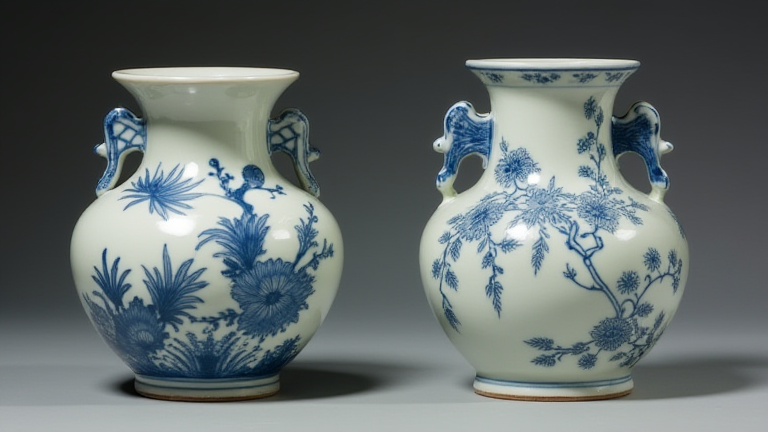
“Porcelain’s Journey: From Ancient Kilns to Modern Masterpieces” (58 chars)
TL;DR: This article explores the evolution of porcelain from its humble beginnings in ancient China to its current status as a global luxury staple. It highlights why modern collectors prefer authentic kiln-fired pieces over mass-produced alternatives for their cultural depth and durability.
The Historical Foundation
Porcelain is often referred to as “white gold” due to its scarcity and beauty. Originating in China during the Han Dynasty, the true breakthrough occurred in the Tang Dynasty when craftsmen mastered the high-temperature firing process. This innovation allowed for the creation of a material that was both translucent and incredibly strong. For centuries, this secret was jealously guarded, making porcelain a highly sought-after commodity along the Silk Road. Today, understanding this history is crucial for any collector or enthusiast looking to appreciate the true value of these objects.
If you want to dig deeper, check out our guide on **“Porcelain 101: A Journey Through Its History & Global Cul.
Feature Highlights of Modern Porcelain
Modern porcelain products blend ancient techniques with contemporary design. Key features include:
- High-Fire Durability: Fired at temperatures exceeding 1,300°C, modern porcelain is resistant to chipping and staining, making it ideal for daily use in high-end dining settings.
- Translucency: High-quality pieces exhibit a soft glow when held up to light, a characteristic that distinguishes true porcelain from ceramic or stoneware.
- Artistic Detail: Contemporary artisans often incorporate traditional blue-and-white motifs alongside abstract modern designs, offering a unique aesthetic appeal that bridges past and present.
Comparisons: Authentic vs. Mass-Produced
When selecting porcelain, the source matters significantly. Mass-produced items often use lower firing temperatures, resulting in a heavier, more opaque finish that lacks the delicate elegance of true porcelain. Authentic, artisan-made pieces are lighter, thinner, and possess a resonant sound when tapped. While the initial investment for authentic pieces is higher, their longevity and cultural significance provide a superior return on investment. Comparing a generic supermarket plate to a hand-thrown piece from a renowned studio reveals a stark difference in weight, finish, and artistic integrity. The former is a commodity; the latter is a collectible artifact.
Call to Action
Ready to elevate your home or collection? Explore our curated selection of authentic porcelain pieces that honor traditional craftsmanship while embracing modern sensibilities. Visit our gallery today to discover the perfect piece that tells a story of centuries. Do not settle for imitation when you can own a masterpiece.
FAQ
Q: What is the main difference between porcelain and ceramic?
A: Porcelain is a specific type of ceramic made from kaolin clay and fired at higher temperatures, resulting in a denser, whiter, and more translucent material.
Q: Is handmade porcelain more durable than machine-made?
A: Durability depends on the firing process, but handmade pieces often use higher-quality clays and slower firing cycles, which can result in superior structural integrity and aesthetic detail.
Q: How should I care for my porcelain collection?
A: Handle pieces with clean hands, avoid abrasive cleaners, and store them in a dry, stable environment to prevent thermal shock and physical damage.
Leave a Reply